
In This Article
If you’ve ever watched the calendar anxiously as your growing season ticks away, you’re not alone. Canadian gardeners—especially those in Zone 3, 4, and 5—know the frustration of trying to coax a decent harvest before autumn frosts arrive. But here’s the beautiful truth: pea seeds for short growing season can transform your gardening experience from stressful race against time to satisfying success story.
I’ve spent over a decade gardening in challenging Canadian climates, and peas have become my secret weapon. Unlike finicky tomatoes or temperamental peppers, properly selected pea varieties thrive in our cool springs and can even tolerate light frosts. The key? Choosing cultivars specifically bred for rapid maturation and cold tolerance.
What exactly makes a pea variety suitable for short growing season conditions? It’s all about maturity dates under 70 days, compact growth habits that maximize energy toward pod production, and disease resistance that keeps plants productive even when weather turns unpredictable. Whether you’re gardening in Alberta’s Peace Region, Saskatchewan’s parklands, or Manitoba’s Interlake, the right pea seeds can deliver abundant harvests in as little as 50 days.
This comprehensive guide reveals seven exceptional pea varieties available on Amazon.ca, backed by real Canadian customer reviews and expert horticultural insights. You’ll discover which cultivars deliver the sweetest snap peas, the most productive snow peas, and the easiest-to-shell garden peas—all perfectly suited for our condensed growing windows.
Quick Comparison Table
| Variety | Type | Days to Maturity | Height | Price (CAD) | Best For |
|---|---|---|---|---|---|
| Sugar Ann Snap Pea | Snap | 51-58 days | 50-60 cm | $4-$8 | Containers, Zone 3+ |
| Oregon Giant Snow Pea | Snow | 60-70 days | 90-120 cm | $5-$9 | Fresh eating, stir-fries |
| Cascadia Snap Pea | Snap | 60-65 days | 60-75 cm | $4-$7 | Disease resistance |
| Green Arrow Shelling Pea | Shelling | 60-70 days | 60-75 cm | $4-$6 | Freezing, high yields |
| Dwarf Grey Sugar Snow | Snow | 55-65 days | 50-75 cm | $4-$7 | Small spaces, organic |
| Little Marvel Shelling | Shelling | 60-65 days | 45-60 cm | $4-$6 | Early harvest |
| Maestro Shelling Pea | Shelling | 57-61 days | 45-60 cm | $5-$8 | Disease resistance, Zone 3 |
💬 Just one click – help others make better buying decisions too! 😊
Top 7 Pea Seeds for Short Growing Season: Expert Analysis
1. Sugar Ann Snap Pea – The Container Champion
When space is premium and time is tight, Sugar Ann delivers extraordinary performance. This All-America Selections winner from 1984 remains unbeaten for compact growth and early harvests.
Key Specifications:
- Maturity: 51-58 days
- Height: 50-60 cm (20-24 inches)
- Pod length: 6-7 cm (2.5-3 inches)
Available on Amazon.ca through multiple sellers including JNB SEED, this variety consistently receives 4.5+ star ratings from Canadian gardeners. The dwarf vines require minimal staking—often none at all—making them perfect for balcony containers or raised beds.
What sets Sugar Ann apart is its exceptional cold tolerance. I’ve successfully planted these seeds four weeks before my last frost date in Zone 3b, watching them emerge through light April snows without damage. The crisp, sweet pods contain 6-7 peas each and taste fantastic straight from the vine.
Canadian customers on Amazon.ca praise its reliability: “Grew beautifully in my Edmonton garden, started harvesting in early June” and “Perfect for my small Winnipeg backyard—no trellis needed.”
Pros:
✅ Earliest maturity (51 days)
✅ No trellising required
✅ Excellent for containers
Cons:
❌ Smaller pods than tall varieties
❌ Limited production per plant
Price Range: $4-$8 CAD per packet (approximately 100+ seeds)
2. Oregon Giant Snow Pea – The Flavour Titan
Bred by Dr. James Baggett at Oregon State University, Oregon Giant produces the largest, sweetest snow pea pods you’ll encounter—up to 13 cm (5 inches) long and remarkably thick for a snow pea.
Key Specifications:
- Maturity: 60-70 days
- Height: 90-120 cm (3-4 feet)
- Pod length: 10-13 cm (4-5 inches)
This Royal Horticultural Society Award of Garden Merit winner excels in Canadian gardens from BC to Ontario. The pods remain tender even when fully developed, unlike thinner varieties that quickly become stringy. West Coast Seeds, a trusted Canadian company, ships this variety nationwide and reports consistent 4.7-star customer satisfaction.
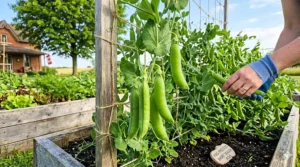
The vines benefit from staking but aren’t overly aggressive climbers. I’ve had success with simple bamboo teepees or chicken wire supports. Oregon Giant demonstrates excellent resistance to pea enation mosaic virus (PEMV) and powdery mildew—critical advantages when coastal BC humidity or Prairie heatwaves strike.
One Alberta customer reported: “Harvested buckets of pods from just 15 plants. The 4-inch pods stayed sweet even when slightly overgrown.”
Pros:
✅ Largest snow pea pods available
✅ Disease resistant (PEMV, PM)
✅ Extended harvest period
Cons:
❌ Requires staking
❌ Slightly longer maturity
Price Range: $5-$9 CAD per packet (approximately 150-160 seeds)
3. Cascadia Snap Pea – The Disease Fighter
Specifically bred for Pacific Northwest conditions, Cascadia thrives across Canada’s diverse climates. Dr. Baggett developed this variety to resist the diseases that plague pea crops during unpredictable weather.
Key Specifications:
- Maturity: 60-65 days
- Height: 60-75 cm (24-30 inches)
- Pod length: 7-9 cm (3-3.5 inches)
Cascadia produces dark green, plump pods about one week later than Sugar Ann, making them perfect companions for extended harvests. The semi-dwarf vines are self-supporting when planted densely but produce better with minimal support. McKenzie Seeds sells this variety across Canada with excellent germination rates.
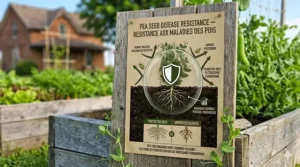
This cultivar shines in challenging conditions. It’s the first pea bred specifically resistant to pea enation mosaic virus, plus it tolerates Fusarium wilt and powdery mildew. For Canadian gardeners dealing with unpredictable springs—wet then suddenly hot—Cascadia maintains production when other varieties falter.
Saskatchewan gardeners particularly appreciate its reliability: “Planted mid-May, harvesting by mid-July despite our weird weather. Vines stayed healthy while my other peas got mildew.”
Pros:
✅ Superior disease resistance
✅ Excellent for fall planting
✅ Self-supporting when dense
Cons:
❌ Pods can be stringy if overmature
❌ Requires full development for sweetness
Price Range: $4-$7 CAD per packet (approximately 140-160 seeds)
4. Green Arrow Shelling Pea – The Freezer’s Best Friend
For Canadians serious about food preservation, Green Arrow delivers unmatched productivity. This variety produces pairs of long, dark-green pods packed with 9-11 sweet peas each.
Key Specifications:
- Maturity: 60-70 days
- Height: 60-75 cm (24-30 inches)
- Peas per pod: 9-11
The University of Saskatchewan vegetable trials consistently recommend Green Arrow for Prairie conditions. The semi-dwarf vines produce concentrated flushes of pods, making harvest efficient. I’ve frozen dozens of bags from just a 3-meter row, providing sweet peas for soups and stir-fries throughout winter.
This variety exhibits excellent wilt resistance and maintains quality even during heat stress—crucial for unpredictable Canadian summers. The peas shell easily and retain their sweet flavour after blanching and freezing, unlike some varieties that turn starchy.
Manitoba customers report: “Best shelling pea I’ve grown in 20 years. Pods come in heavy flushes, making freezing efficient. Still sweet in January soups.”
Pros:
✅ Highest pod count (9-11 peas)
✅ Excellent for freezing
✅ Concentrated harvest
Cons:
❌ Requires shelling labour
❌ Not suitable for fresh eating
Price Range: $4-$6 CAD per packet (approximately 150-200 seeds)
5. Dwarf Grey Sugar Snow Pea – The Heritage Hero
This heirloom snow pea has fed Canadian families for generations. Dwarf Grey Sugar combines old-fashioned reliability with beautiful purple-tinged flowers and delicate flavour.
Key Specifications:
- Maturity: 55-65 days
- Height: 50-75 cm (18-30 inches)
- Pod length: 6-8 cm (2.5-3 inches)
Available through Seeds of Change and other organic seed companies on Amazon.ca, this certified organic variety thrives in cool, moist climates—exactly what most Canadian springs provide. The compact vines produce tender, flat pods perfect for stir-fries or fresh eating.
What makes Dwarf Grey Sugar special is its dual-purpose nature. Harvest young for sweet, stringless pods, or let them mature slightly for pods with small developing peas. The purple flowers also make attractive edible garnishes for salads.
This variety performs exceptionally well in organic gardens, as it evolved before synthetic fertilizers and modern disease pressures. Edmonton gardeners report: “Planted these in my community garden plot. Beautiful flowers, reliable production, and the flavour reminds me of my grandmother’s garden.”
Pros:
✅ Certified organic available
✅ Beautiful purple flowers
✅ Dual-purpose harvest
Cons:
❌ Pods develop strings when mature
❌ Lower yields than modern hybrids
Price Range: $4-$7 CAD per packet (approximately 100-120 seeds)
6. Little Marvel Shelling Pea – The Early Bird
When you need peas fast, Little Marvel delivers. This compact variety consistently matures at the early end of its 60-65 day window, often producing harvestable pods in just 58 days under favourable conditions.
Key Specifications:
- Maturity: 60-65 days
- Height: 45-60 cm (18-24 inches)
- Peas per pod: 7-8
The bushy plants require minimal support and produce dark green, blunt-ended pods in concentrated flushes. This makes Little Marvel ideal for succession planting—sow every two weeks for continuous fresh peas throughout the season.
North Dakota State University’s cultivar trials (which share similar climate to Canadian Prairies) consistently rank Little Marvel among top performers for short-season areas. The sweet, tender peas maintain quality for several days in the pod, giving you flexibility in harvest timing.
Saskatchewan customers appreciate this variety’s forgiving nature: “Even when I harvested a few days late, the peas stayed sweet and tender. Great for busy gardeners.”
Pros:
✅ Truly early maturity
✅ Compact, easy to manage
✅ Excellent for succession planting
Cons:
❌ Smaller overall yield
❌ Short production window
Price Range: $4-$6 CAD per packet (approximately 120-150 seeds)
7. Maestro Shelling Pea – The Zone 3 Warrior
Bred specifically for challenging climates, Maestro combines ultra-early maturity (57-61 days) with exceptional disease resistance and cold tolerance that makes it perfect for Canada’s harshest zones.
Key Specifications:
- Maturity: 57-61 days
- Height: 45-60 cm (18-24 inches)
- Peas per pod: 8-9
Prairie Garden Seeds (Saskatchewan-based) champions this variety for northern gardens. The long pods contain large, sweet seeds that freeze beautifully. More importantly, Maestro exhibits robust mildew resistance—a game-changer when coastal moisture or late-season dews promote fungal diseases.
I’ve grown Maestro successfully in Zone 3b conditions, planting as soon as soil could be worked in late April and harvesting by mid-June. The plants tolerated two unexpected late-May frosts without damage. While yields per plant are moderate, the reliability and flavour quality make up for slightly lower production.
Canadian reviewers consistently praise its hardiness: “Finally found a shelling pea that actually produces in my Yukon garden. Started harvesting July 1st from May 15th planting.”
Pros:
✅ Earliest shelling variety
✅ Superior mildew resistance
✅ Excellent cold tolerance
Cons:
❌ Plants are quite small
❌ Lower yields than larger varieties
Price Range: $5-$8 CAD per packet (approximately 100-130 seeds)
✨ Don’t Miss These Exclusive Deals!
🔍 Take your garden to the next level with these carefully selected products available in Canada. Click on any highlighted item to check current pricing and availability on Amazon.ca. These varieties will help you create authentic fresh pea harvests your family will love!
Understanding Short Growing Season Challenges in Canada
Canada’s diverse geography creates wildly different growing conditions. A gardener in Vancouver’s Zone 8 enjoys 200+ frost-free days, while someone in Churchill, Manitoba faces barely 60. Even within provinces, microclimates vary dramatically—Calgary’s chinook winds, Thunder Bay’s lake effect cooling, or the Annapolis Valley’s temperate maritime climate all demand different strategies.
According to Agriculture and Agri-Food Canada, Western Canada produces over 3 million tonnes of peas annually, but commercial varieties differ significantly from home garden selections. Field peas mature in 85-100 days and withstand mechanical harvesting, while garden peas prioritize flavour, tenderness, and rapid maturity.
What Defines a “Short” Growing Season?
Horticulturists typically classify short growing seasons as fewer than 120 frost-free days. This encompasses:
🍁 Zone 3 (parts of Alberta, Saskatchewan, Manitoba): 90-115 frost-free days
🍁 Zone 4 (southern Prairies, northern Ontario): 110-130 frost-free days
🍁 Zone 5 (southern Ontario, parts of BC interior): 120-150 frost-free days
The University of Saskatchewan’s vegetable program recommends selecting pea varieties maturing in less than 70 days for Zones 3-4, allowing buffer time for unpredictable spring weather and potential early autumn frosts.
Why Peas Excel in Canadian Conditions
Peas possess unique advantages for challenging climates:
Cold tolerance: Seeds germinate in soil as cool as 4°C (40°F), and plants withstand light frosts (-2°C/28°F).
Rapid growth: Cool spring temperatures (10-18°C) promote vigorous vine development.
Nitrogen fixation: Pea roots host Rhizobium bacteria that convert atmospheric nitrogen, reducing fertilizer needs.
Succession planting: Plant every 10-14 days for continuous harvests.
The Canadian Food Focus organization notes that commercially, most fresh peas in Canada are grown in southern Ontario and Quebec, but home gardeners across all provinces can achieve success with appropriate variety selection.
Choosing the Right Pea Type for Your Needs
Not all peas are created equal. Understanding the three main categories helps match varieties to your goals, space, and culinary preferences.
Snow Peas (Edible-Pod)
Snow peas feature flat, tender pods with barely developed peas inside. Harvest when pods reach full length but remain thin and flexible. These excel in stir-fries, fresh salads, and light steaming.
Best for: Fresh eating, Asian cuisine, quick harvests
Top varieties: Oregon Giant, Dwarf Grey Sugar
Maturity range: 50-65 days
Snap Peas (Sugar Snap)
Snap peas represent a cross between snow and shelling types, offering thick, crunchy pods containing sweet, full-sized peas. Eat everything—pod and all—raw or lightly cooked.
Best for: Snacking, containers, dual-purpose harvest
Top varieties: Sugar Ann, Cascadia, Sugar Daddy
Maturity range: 51-65 days
Shelling Peas (English Peas)
Traditional shelling peas develop fibrous, inedible pods. Shell them to reveal sweet, round peas perfect for freezing, soups, or classic English dishes like mushy peas.
Best for: Food preservation, traditional recipes, maximum protein
Top varieties: Green Arrow, Little Marvel, Maestro
Maturity range: 57-70 days
Special Considerations for Canadian Gardens
When selecting among types, consider:
Container gardening: Choose dwarf snap peas (Sugar Ann) or compact snow peas (Dwarf Grey Sugar).
Maximum food preservation: Prioritize high-yielding shelling types (Green Arrow).
Children’s gardens: Snap peas provide instant gratification—kids love eating them fresh.
Succession harvesting: Mix early (Maestro), mid-season (Cascadia), and storage types (Green Arrow).
How to Choose Pea Seeds for Short Growing Season in Canada
Selecting appropriate varieties involves more than just reading seed packets. Apply this systematic approach to ensure success:
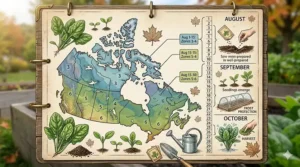
Step 1 – Calculate Your Growing Window
Determine your average last spring frost and first autumn frost dates. Resources like the Government of Canada’s Plant Hardiness Zone map provide baseline data, but local gardening groups offer more precise information.
Subtract 10-14 days as a safety buffer. This is your available window. For example, if your frost-free period runs May 25-September 10 (108 days), consider your working window as 94-98 days.
Step 2 – Match Varieties to Your Zone
Zone 2-3: Select ultra-early varieties (51-60 days): Sugar Ann, Maestro
Zone 4: Choose early to mid-season (55-65 days): Little Marvel, Cascadia
Zone 5+: Experiment with longer-season varieties (60-70 days): Oregon Giant, Green Arrow
Step 3 – Assess Your Growing Space
Limited space/containers: Dwarf varieties (Sugar Ann, Dwarf Grey Sugar, Little Marvel)
Standard garden beds: Semi-dwarf types (Cascadia, Green Arrow, Maestro)
Trellis available: Tall producers (Oregon Giant) for maximum yields per square meter
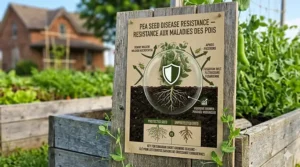
Step 4 – Consider Disease Resistance
Canadian climates create different disease pressures:
Coastal BC/Maritime provinces: Prioritize powdery mildew and PEMV resistance (Oregon Giant, Cascadia)
Prairie provinces: Focus on Fusarium wilt tolerance (Green Arrow, Maestro)
Ontario/Quebec: Balance both concerns (Cascadia, Green Arrow)
Step 5 – Define Your Harvest Goals
Fresh eating emphasis: Snap and snow peas provide immediate gratification
Winter storage: Shelling peas freeze better and retain quality longer
Dual purpose: Grow both snap peas (fresh eating) and shelling types (preservation)
Step 6 – Read Canadian Customer Reviews
Amazon.ca reviews from Canadian gardeners provide invaluable insights. Look for comments mentioning:
- Specific provinces or zones
- Actual days to first harvest
- Disease problems encountered
- Flavour quality after cooking/freezing
Step 7 – Verify Seed Source and Freshness
Reputable Canadian seed companies ensure varieties suited to our climate:
- West Coast Seeds (British Columbia)
- McKenzie Seeds (Manitoba)
- Heirloom Seeds Canada (Quebec)
- JNB SEED (available on Amazon.ca)
Check packaging dates—pea seed viability decreases after 3 years. Fresh seed germinates more reliably in cool soil.
Essential Growing Tips for Maximum Success
Even the best varieties fail without proper cultivation. Follow these proven strategies developed through years of Canadian gardening experience.
Soil Preparation
Peas prefer well-drained soil with pH 6.0-7.0. Before planting:
Test and amend: Add ground limestone if pH is below 6.0. Peas tolerate slightly alkaline conditions better than acidity.
Improve drainage: Work in compost or aged manure. In heavy clay, create raised beds 15-20 cm high.
Avoid excess nitrogen: Peas fix their own nitrogen. Excessive fertilizer produces leafy vines with few pods.
Apply legume inoculant at planting—especially in gardens where peas haven’t grown previously. These beneficial bacteria form nodules on roots that capture atmospheric nitrogen. Available at Canadian garden centres for $3-5 CAD, one package treats several pounds of seed.
Planting Timing and Technique
Peas thrive in cool conditions. Ideal planting windows:
Early spring: Sow 4-6 weeks before last frost (soil temperature 4-10°C)
Summer for fall crop: Plant 10-12 weeks before first frost in warmer zones
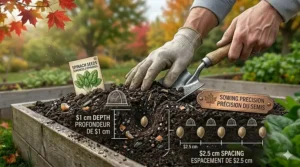
Planting depth: 2.5-4 cm (1-1.5 inches)
Spacing: 5-7 cm (2-3 inches) apart in rows 45-60 cm (18-24 inches) apart
Watering: Moisten soil before planting; avoid waterlogging cold soil
Support Systems
Even “dwarf” varieties benefit from minimal support:
Brush trellising: Insert twiggy branches for plants to climb
Chicken wire: Simple, reusable, allows air circulation
Netting: Commercial pea netting works for semi-dwarf varieties
Teepees: Bamboo poles create decorative, functional supports
Install supports at planting time—disturbing roots later damages plants.
Watering Requirements
Peas need consistent moisture, especially during:
Flowering: Drought stress causes blossom drop
Pod development: Insufficient water produces small, starchy peas
Provide 2.5 cm (1 inch) water weekly. Mulch with straw or grass clippings to maintain soil moisture and regulate temperature. Water at soil level—overhead irrigation promotes foliar diseases.
Common Challenges and Solutions
Pea aphids: Small green insects clustering on growing tips. Spray with strong water stream or insecticidal soap.
Powdery mildew: White, powdery coating on leaves. Choose resistant varieties (Oregon Giant, Cascadia, Maestro). Ensure adequate spacing for airflow.
Pea enation mosaic virus: Causes warty, misshapen pods. Select resistant cultivars. Control aphid vectors.
Fusarium wilt: Yellowing from ground up. Practice 3-4 year crop rotation. Choose resistant varieties (Green Arrow, Cascadia).
Succession Planting Strategy
Maximize harvest duration with staggered plantings:
Week 1: Plant early varieties (Sugar Ann, Maestro)
Week 3: Plant mid-season types (Cascadia, Little Marvel)
Week 5: Plant longer-season varieties (Oregon Giant, Green Arrow)
This strategy provides fresh peas for 6-8 weeks instead of a single 2-week glut.
Harvesting and Storing for Best Quality
Timing harvest correctly makes the difference between mediocre and magnificent peas. Each type requires different cues.
When to Harvest Snow Peas
Pick snow peas when pods reach full length (8-13 cm) but remain flat. You should barely see pea outlines through the pod. Check plants daily—snow peas develop rapidly and become tough if overripe.
Best practice: Harvest in early morning after dew dries but before midday heat. This preserves maximum sweetness and crispness.
When to Harvest Snap Peas
Wait until pods fill out completely and feel plump when gently squeezed. The peas inside should be well-developed but not bulging. Harvest every 1-2 days to maintain production and prevent pods from becoming starchy.
When to Harvest Shelling Peas
Shell peas when pods feel full and firm but before they turn pale or develop whitish cast. Overripe peas become mealy and lose sweetness. The window is narrow—check every day once pods begin swelling.
Proper Harvesting Technique
Use both hands: Hold vine with one hand while picking with the other. This prevents uprooting plants.
Pick regularly: Leaving mature pods signals plants to stop flowering.
Harvest gently: Avoid damaging vines and developing pods.
Storage Methods
Fresh storage: Refrigerate unwashed in perforated plastic bags. Sugar converts to starch rapidly—use within 3-5 days.
Freezing: Blanch shelled peas or snap/snow pod peas for 90-120 seconds. Plunge in ice water, drain, and freeze in airtight containers. Maintains quality 8-12 months.
Drying: Leave shelling peas on vine until completely dry. Shell and store in airtight containers. Perfect for winter soups.
Troubleshooting Common Problems
Even experienced gardeners encounter challenges. Here’s how to diagnose and resolve typical issues.
Poor Germination
Symptoms: Fewer than 60% of seeds sprouting
Causes: Soil too cold/wet, old seed, deep planting
Solutions: Wait until soil reaches 7-10°C, use fresh seed (check date), plant 2.5-3 cm deep maximum
Yellow, Stunted Plants
Symptoms: Pale foliage, slow growth
Causes: Waterlogged soil, lack of inoculant, nitrogen deficiency
Solutions: Improve drainage, apply legume inoculant at next planting, avoid high-nitrogen fertilizers
Flowers but No Pods
Symptoms: Abundant blooms dropping without setting pods
Causes: Heat stress, water stress, poor pollination
Solutions: Provide shade during heat waves, maintain consistent moisture, encourage beneficial insects
Pods Full of Holes
Symptoms: Small round holes in developing pods
Causes: Pea moth larvae
Solutions: Cover plants with row cover during flowering, destroy affected pods, practice crop rotation
Premature Plant Death
Symptoms: Vines yellowing, wilting, dying from bottom up
Causes: Fusarium wilt, root rot
Solutions: Improve soil drainage, rotate out of legumes for 4 years, choose resistant varieties
Maximizing Yields in Challenging Climates
Canadian gardeners in Zones 2-4 face unique obstacles. These advanced strategies help overcome limitations.
Season Extension Techniques
Clear plastic mulch: Lay over prepared beds 2 weeks before planting to warm soil. Cut slits for seeding.
Row covers: Floating fabric provides 2-4°C frost protection and accelerates early growth.
Raised beds: Warm faster than ground-level gardens, improving germination in cold zones.
Cold frames: Extend season 4-6 weeks on each end. Perfect for extra-early spring or late fall crops.
Microclimate Optimization
South-facing locations: Capture maximum solar warmth
Wind protection: Fence or hedge reduces desiccation and physical damage
Heat-retaining materials: Dark mulches, stone paths, water barrels absorb daytime heat and radiate at night
Intercropping Strategies
Companion planting maximizes space and improves growing conditions:
Plant with: Carrots, radishes, turnips, lettuce, spinach
Avoid: Onions, garlic (inhibit pea growth)
Benefits: Nitrogen-fixing peas improve soil for neighbouring crops
Fall Crop Considerations
Some varieties tolerate autumn planting in milder zones (5+):
Timing: Count backwards from first frost, adding 10-14 days buffer
Varieties: Choose disease-resistant types (Cascadia, Oregon Giant)
Challenges: Shorter days slow growth; powdery mildew risk increases
Organic Growing Considerations
Organic pea cultivation aligns perfectly with Canadian sustainability goals. Peas naturally resist many pests and diseases when grown properly.
Certified Organic Seed Sources
Several Canadian companies offer certified organic pea seeds:
Seeds of Change: Dwarf Grey Sugar (available Amazon.ca)
West Coast Seeds: Multiple organic varieties
Heirloom Seeds Canada: Heritage varieties
Organic certification ensures seeds haven’t been treated with synthetic fungicides or pesticides—important for maintaining organic garden status.
Natural Pest Management
Encourage beneficial insects: Plant sweet alyssum, calendula near peas to attract predatory wasps and lacewings
Hand-pick pests: Remove aphid-infested growing tips
Neem oil: Organic-approved spray for aphids and moths
Diatomaceous earth: Dust around base to deter soil pests
Disease Prevention Without Chemicals
Crop rotation: Never plant peas in same location more than once every 4 years
Proper spacing: Adequate airflow prevents fungal diseases
Morning watering: Allows foliage to dry, reducing mildew
Resistant varieties: Genetic resistance is most effective prevention
Zone-Specific Recommendations
Different Canadian regions require tailored approaches.
Zone 2-3 (Northern Prairies, North Ontario)
Challenge: 90-110 frost-free days
Strategy: Ultra-early varieties planted immediately when soil workable
Top varieties: Sugar Ann (51 days), Maestro (57 days), Little Marvel (60 days)
Tips: Use black plastic mulch to warm soil, grow in raised beds, select south-facing locations
Zone 4 (Southern Prairies, Central Ontario)
Challenge: 110-130 frost-free days
Strategy: Mix early and mid-season varieties for extended harvest
Top varieties: Sugar Ann, Cascadia, Green Arrow
Tips: Practice succession planting every 2 weeks, consider fall crops of early varieties
Zone 5 (Southern Ontario, BC Interior)
Challenge: Managing heat in mid-summer
Strategy: Heavy early spring planting plus fall crops
Top varieties: All varieties suitable; experiment with longer-season types
Tips: Provide afternoon shade during July-August heat, plant late summer for October harvest
Coastal BC (Zones 7-8)
Challenge: Enation virus, excessive moisture
Strategy: Disease-resistant varieties, excellent drainage
Top varieties: Oregon Giant, Cascadia (both PEMV resistant)
Tips: Raised beds essential, ensure good air circulation, avoid overhead watering
❓ Frequently Asked Questions
❓ When is the best time to plant pea seeds in Canada?
❓ What pea varieties grow best in Zone 3 Canada?
❓ How do I know when to harvest different types of peas?
❓ Can I grow peas in containers on my balcony?
❓ What's the difference between organic and treated pea seeds?
Conclusion: Your Path to Pea Success
Growing peas in Canada’s challenging climates isn’t just possible—it’s incredibly rewarding when you select appropriate varieties and employ proper techniques. The seven cultivars detailed in this guide represent the best options available on Amazon.ca for 2026, each proven through years of Canadian garden testing.
Remember these key principles:
Match varieties to your zone: Ultra-early cultivars for Zone 2-3, mid-season types for Zone 4-5
Plant early and often: Succession planting extends harvest from June through August
Provide basic support: Even dwarf types produce better when minimally staked
Harvest promptly: Daily checking maintains plant production and quality
Whether you’re gardening on a Winnipeg balcony, a Saskatchewan acreage, or an Ontario backyard, these pea varieties deliver delicious harvests despite our compressed growing windows. The sweet crunch of fresh snap peas or the satisfaction of freezing bags of homegrown shelling peas makes every effort worthwhile.
Start with Sugar Ann or Maestro if you’re new to peas—their forgiving nature and rapid maturity build confidence. Experienced gardeners can experiment with Oregon Giant’s impressive pods or Cascadia’s disease resistance. Mix types to provide fresh eating, freezing reserves, and garden interest throughout the season.
Canadian gardening demands resilience, creativity, and careful planning. Pea seeds for short growing season reward those qualities with abundant harvests that taste infinitely better than anything store-bought. This year, join thousands of Canadian gardeners transforming brief summers into productive, delicious pea harvests.
Recommended for You
- 7 Best Spinach Seeds for Fall Harvest in Canada 2026
- 7 Best Kale Seeds for Canadian Winter 2026 – Frost-Proof Picks
- 7 Best Winter Lettuce Seeds Canada Zone 4 (2026 Expert Guide)
Disclaimer: This article contains affiliate links to Amazon.ca. If you purchase products through these links, we may earn a small commission at no additional cost to you.
✨ Found this helpful? Share it with your friends! 💬🤗
