
In This Article
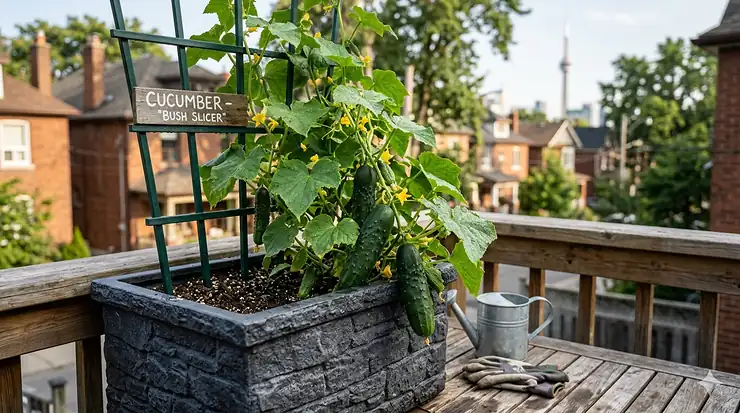
Picture this: you’re sipping your morning coffee on your Toronto balcony when you notice those tiny cucumber flowers have transformed into crisp, dark green beauties hanging from your container garden. That’s not a gardening fantasy—it’s absolutely achievable for Canadian growers, even if you’re working with just a modest patio or apartment balcony.
Growing cucumber seeds for containers has exploded in popularity across Canada, and honestly, it makes perfect sense. With our unpredictable growing seasons and limited outdoor space in urban centres like Vancouver, Montreal, and Calgary, container gardening offers unparalleled control. You can move your pots to chase the sun, protect tender plants from those surprise June frosts we all know too well, and avoid the soil-borne diseases that plague traditional garden beds.
The magic really happens when you select the right cucumber varieties. Compact cucumber varieties balcony enthusiasts swear by—like Spacemaster and Patio Snacker—deliver full-sized fruits from plants that stay manageable in containers. These aren’t your grandmother’s sprawling vines that take over the backyard; they’re specifically bred for small-space success while maintaining fantastic flavour and impressive disease resistance.
According to Agriculture and Agri-Food Canada, container vegetable gardening allows you to optimize soil quality and manage moisture more effectively than ground planting—crucial advantages for Canadian growers dealing with heavy clay soils or unpredictable rainfall patterns. Whether you’re in USDA Zone 3 in northern Manitoba or the milder Zone 8 of coastal British Columbia, the right cucumber seeds for containers can transform your outdoor space into a productive mini-farm.
In this comprehensive guide, I’ll walk you through the top seven cucumber seed varieties available on Amazon.ca, share insider tips for maximizing your harvest, and help you troubleshoot common challenges Canadian container gardeners face. Ready to grow your freshest salads yet?
Quick Comparison Table
| Cucumber Variety | Plant Height | Fruit Size | Days to Maturity | Best For | Price Range (CAD) |
|---|---|---|---|---|---|
| Spacemaster 80 | 60-90 cm (24-36″) | 15-20 cm (6-8″) | 58-60 days | Small spaces, containers | $2.49-$7.99 |
| Patio Snacker F1 | 90-150 cm (36-60″) | 15-23 cm (6-9″) | 50-55 days | Balconies, hanging baskets | $4.99-$9.99 |
| Marketmore 76 | 150-180 cm (60-72″) | 20-23 cm (8-9″) | 60-70 days | Trellised containers | $3.00-$12.99 |
| Bush Champion | 20-25 cm (8-10″) | 20-30 cm (8-12″) | 55-60 days | Ultra-compact spaces | $5.99-$10.99 |
| Mini Me F1 | 30-45 cm (12-18″) | 10-15 cm (4-6″) | 50-55 days | Mini cucumbers, snacking | $6.99-$11.99 |
| National Pickling | 120-150 cm (48-60″) | 8-13 cm (3-5″) | 52-58 days | Pickling, canning | $3.99-$8.99 |
| H-19 Little Leaf | 30-35 cm (12-14″) | 8-13 cm (3-5″) | 55-58 days | Compact pickling variety | $7.99-$12.99 |
💬 Just one click – help others make better buying decisions too!😊
Top 7 Cucumber Seeds for Containers: Expert Analysis
1. Spacemaster 80 Cucumber Seeds – The Canadian Container Classic
When I think about the perfect starter cucumber for Canadian container gardens, Spacemaster 80 immediately comes to mind. This open-pollinated heirloom was developed by Dr. Henry Munger at Cornell University back in 1980, and it’s remained a bestseller for good reason—it simply delivers.
The compact, bush-type vines reach just 60-90 cm (24-36 inches), making them absolutely ideal for 5-gallon containers or even large fabric pots on apartment balconies. What really impresses me is how these plants produce 15-20 cm (6-8 inch) dark green cucumbers that taste crisp and sweet without a hint of bitterness. Canadian gardeners across zones 3-9 report excellent success rates, even during our unpredictable summer weather patterns.
Key Specifications:
- Days to maturity: 58-60 days from transplant
- Disease resistance: Cucumber Mosaic Virus (CMV), scab, powdery mildew
- Yield: 4-7 cucumbers per plant weekly during peak season
Canadian buyers on Amazon.ca consistently praise how well Spacemaster handles cooler nights—essential for Prairie gardeners experiencing those dramatic temperature swings. One Halifax grower mentioned harvesting 40+ cucumbers from just two plants in 12-inch pots throughout July and August.
Pros:
✅ Exceptionally compact growth perfect for small containers
✅ Excellent disease resistance for organic growing
✅ Open-pollinated seeds suitable for seed saving
Cons:
❌ Slightly longer maturity time than hybrid varieties
❌ Requires consistent watering to prevent fruit bitterness
Price on Amazon.ca: $2.49-$7.99 CAD depending on seed count
2. Patio Snacker F1 Hybrid – The Balcony Gardener’s Dream
If you’re serious about maximizing production from minimal space, Patio Snacker is your champion. This parthenocarpic hybrid (meaning it sets fruit without pollination) produces full-sized 15-23 cm (6-9 inch) slicing cucumbers from incredibly compact plants that stay under 150 cm even when trellised.
What sets Patio Snacker apart for Canadian container gardeners is its vigorous yet controlled growth habit. The short branches and high yield potential mean you can trellis these in hanging baskets or train them along balcony railings—perfect for Toronto or Vancouver condo dwellers working with vertical space. West Coast Seeds, a trusted Canadian supplier, reports this variety matures in just 50-55 days, giving you harvests well before our first fall frosts.
Key Specifications:
- Growth habit: Semi-vining, 90-150 cm (36-60″)
- Fruit characteristics: 6-8 inch dark green cucumbers, moderately spined
- Special feature: Parthenocarpic (seedless if isolated from other cucumbers)
Canadian reviewers particularly love how Patio Snacker keeps producing through September in southern Ontario and coastal BC, significantly extending the harvest window. The bitter-free peel means you can eat these straight from the vine—no peeling required.
Pros:
✅ Continuous production all summer long
✅ No pollination required (great for balconies with fewer bees)
✅ Compact enough for hanging baskets
Cons:
❌ Hybrid seeds cannot be saved for next year
❌ Slightly more expensive than open-pollinated varieties
Price on Amazon.ca: $4.99-$9.99 CAD per packet
3. Marketmore 76 Organic Cucumber Seeds – The Heirloom Powerhouse
For Canadian gardeners committed to pickling cucumber seeds organic growing practices, Marketmore 76 represents the gold standard. This classic open-pollinated variety from Cornell University has been the leading slicing cucumber in northeastern North America for decades, and its performance in containers surprises many skeptics.
While Marketmore produces more vigorous vines (150-180 cm or 60-72 inches), it thrives in large containers (minimum 5 gallons) with vertical trellising. I’ve seen spectacular results from Calgary gardeners growing these against south-facing walls in 10-gallon fabric pots. The dark green, 20-23 cm (8-9 inch) fruits show remarkable uniformity and stay crisp even during Alberta’s hot July afternoons.
Key Specifications:
- Disease resistance: Cucumber Mosaic Virus, Downy Mildew, Powdery Mildew, Scab
- Yield potential: High—expect 10-15 cucumbers per plant over the season
- Certification: USDA Organic, Non-GMO, Open-pollinated
What Canadian organic growers appreciate most is Marketmore’s exceptional disease resistance package. According to Agriculture and Agri-Food Canada research, disease-resistant varieties significantly reduce the need for interventions, making them ideal for sustainable container gardening. The thick protective skin also helps these cucumbers tolerate our intense summer sun without developing bitterness.
Pros:
✅ Superior disease resistance for organic growing
✅ Excellent for both fresh eating and pickling when harvested small
✅ Open-pollinated—save seeds for future seasons
Cons:
❌ Requires larger containers (minimum 5 gallons)
❌ Needs sturdy trellis support
Price on Amazon.ca: $3.00-$12.99 CAD (organic certified options at higher end)
4. Bush Champion Cucumber Seeds – Ultra-Compact Container Star
When space is absolutely at a premium, Bush Champion delivers full-sized cucumbers from plants that barely exceed 20-25 cm (8-10 inches) in height. I’m not kidding—this is legitimately the most compact cucumber variety I’ve encountered that still produces standard 20-30 cm (8-12 inch) fruits.
This variety revolutionizes what’s possible for Canadian apartment dwellers. You can grow Bush Champion in 3-gallon containers on narrow balconies, small patios, or even sunny windowsills. Montreal gardeners with north-facing balconies report success by maximizing their limited sun exposure windows. The 26-inch spread means you’ll want to give each plant its own container, but the prolific production justifies the space investment.
Key Specifications:
- Plant size: 20-25 cm tall, 66 cm spread (8-10″ tall, 26″ spread)
- Disease resistance: Cucumber Mosaic Virus, Powdery Mildew, Scab
- Days to maturity: 55-60 days
Canadian container gardeners love how Bush Champion’s compact form makes pest monitoring easier—you can spot cucumber beetles or aphids at a glance and address issues before they escalate. The early production also means harvests begin in early July for most Canadian zones, perfect for Canada Day barbecues!
Pros:
✅ Extremely compact growth—perfect for tiny balconies
✅ Full-sized cucumbers despite small plant size
✅ Easy pest and disease monitoring
Cons:
❌ May require staking despite compact size for fruit support
❌ Limited availability on Amazon.ca (check specialized seed retailers)
Price on Amazon.ca: $5.99-$10.99 CAD when available
5. Mini Me F1 Hybrid Cucumber – The Snacking Specialist
If you’re a fan of those expensive mini cucumbers at Loblaws or Sobeys, Mini Me will blow your mind. This compact hybrid produces adorable 10-15 cm (4-6 inch) snacking cucumbers with thin, tender skin and crisp texture—exactly like the premium mini cukes that cost $6-8 per package at Canadian grocery stores.
The plants stay remarkably compact at 30-45 cm (12-18 inches), making Mini Me perfect for 3-5 gallon containers. What I find particularly clever is growing multiple plants in larger containers (like a 10-gallon tote) to create a continuous harvest station. Vancouver Island gardeners report harvesting 2-3 cucumbers daily from a trio of plants throughout August and September.
Key Specifications:
- Fruit characteristics: 4-6 inch mini cucumbers, thin skin, small seed cavity
- Growth habit: Compact bush, 12-18 inches tall
- Best use: Fresh snacking, kids’ lunches, gourmet salads
The fast germination (typically 5-7 days in warm soil) and quick maturity make this variety excellent for succession planting. Canadian parents particularly appreciate how kid-friendly these mini cucumbers are—perfect lunchbox size and no peeling required.
Pros:
✅ Grow your own premium mini cucumbers at fraction of grocery cost
✅ Very compact plants suitable for small containers
✅ Tender skin and mild flavour kids love
Cons:
❌ Lower total yield per plant than standard varieties
❌ Hybrid seeds cannot be saved
Price on Amazon.ca: $6.99-$11.99 CAD per 10+ seed packet

6. National Pickling Cucumber (Organic) – The Canning Champion
For Canadian gardeners serious about food preservation, National Pickling cucumber seeds organic varieties deliver exactly what you need: abundant 8-13 cm (3-5 inch) fruits perfect for dill pickles, bread-and-butter pickles, or refrigerator pickles. This heirloom variety has been a staple in Canadian gardens since the 1920s.
While National Pickling produces more vigorous vines (120-150 cm or 48-60 inches), the plants perform beautifully in 5-gallon containers with vertical support. Saskatchewan homesteaders particularly appreciate how prolifically these plants produce—you can easily harvest 30-40 cucumbers per plant for preserving. The slightly bumpy, dark green skin and firm flesh create that classic pickle crunch we all crave.
Key Specifications:
- Days to maturity: 52-58 days
- Fruit size: Best for pickling at 3-5 inches, can grow larger for slicing
- Certification: Many suppliers offer organic, non-GMO options
According to Canadian home preserving experts, the key to perfect pickles starts with harvest timing. Pick National Pickling cucumbers when they’re 3-4 inches long for the crunchiest gherkins, or wait until 5 inches for larger dill pickles. The compact seed cavity means more cucumber flesh and less seed area—ideal for pickling.
Pros:
✅ Prolific production perfect for canning and preserving
✅ Classic pickling cucumber texture and flavour
✅ Open-pollinated—save seeds for next year
Cons:
❌ Requires regular picking to maintain production
❌ Vines need trellis support in containers
Price on Amazon.ca: $3.99-$8.99 CAD for organic seed packets
7. H-19 Little Leaf Cucumber – The Disease-Resistant Compact Pickler
Rounding out our top picks, H-19 Little Leaf represents the cutting edge of disease-resistant cucumber seeds for Canadian container growers who prioritize organic methods. This compact, multi-branching variety produces 8-13 cm (3-5 inch) fruits on plants that stay under 35 cm (14 inches) tall—remarkably space-efficient for a productive pickler.
What truly sets H-19 apart is its comprehensive disease resistance package: angular leaf spot, anthracnose, bacterial wilt, downy mildew, and scab. For Canadian organic gardeners dealing with humid summers in Ontario or Atlantic provinces, this resistance profile is invaluable. The parthenocarpic trait (no pollination needed) makes it particularly suitable for screened-in porches or areas with low bee activity.
Key Specifications:
- Plant size: 30-35 cm tall (12-14″), multi-branching compact form
- Disease resistance: Angular leaf spot, anthracnose, bacterial wilt, downy mildew, scab
- Special feature: Parthenocarpic (sets fruit without pollination)
Manitoba gardeners facing short growing seasons praise how H-19’s quick maturity (55-58 days) ensures abundant harvests before September frosts. The compact growth also makes this variety perfect for succession planting—start new plants every 2-3 weeks for continuous pickle supply.
Pros:
✅ Exceptional disease resistance package for organic growing
✅ No pollination required—perfect for enclosed spaces
✅ Very compact, multi-branching growth habit
Cons:
❌ Higher seed cost than standard varieties
❌ May produce smaller total yield than vining types
Price on Amazon.ca: $7.99-$12.99 CAD per packet
✨ Don’t Miss These Exclusive Deals!
🔍 Take your container gardening to the next level with these carefully selected products available in Canada. Click on any highlighted item to check current pricing and availability on Amazon.ca. These tools will help you create authentic fresh vegetables your family will love!
What Are Cucumber Seeds for Containers?
Cucumber seeds for containers refer to specially selected or bred varieties of Cucumis sativus specifically suited for growing in pots, containers, fabric bags, or other confined spaces rather than traditional garden beds. These varieties typically feature compact growth habits (bush or semi-vining forms), disease resistance, and adaptability to the limited root space containers provide. Canadian container gardeners favour these varieties because they deliver full-sized, flavourful cucumbers without requiring large backyard gardens—perfect for balconies, patios, and urban spaces across our diverse climate zones.
How to Choose Cucumber Seeds for Containers in Canada: 7 Essential Steps
1. Assess Your Available Space and Container Size
Start by measuring your growing area and selecting containers accordingly. Compact varieties like Bush Champion thrive in 3-gallon (11-litre) pots, while more vigorous types like Marketmore 76 need minimum 5-gallon (19-litre) containers. Canadian gardeners should choose containers at least 25-30 cm deep for adequate root development.
2. Match Variety to Your Growing Zone
Canada spans USDA zones 0-8, so select varieties with maturity dates appropriate for your region. Northern gardeners (zones 2-4) should prioritize fast-maturing options like Patio Snacker (50-55 days), while southern Ontario or BC growers (zones 6-8) can experiment with longer-season varieties.
3. Consider Disease Resistance for Your Region
Humid regions (Atlantic provinces, southern Ontario) benefit from disease-resistant cucumber seeds like H-19 Little Leaf or Marketmore 76. Check resistance specifically to Powdery Mildew, Downy Mildew, and Cucumber Mosaic Virus—common Canadian cucumber ailments.
4. Decide Between Bush and Vining Types
Bush cucumbers (Spacemaster, Bush Champion) stay compact without support, while vining types (Marketmore) produce higher yields but require trellising. Assess whether you can accommodate vertical growing structures on your balcony or patio.
5. Choose Organic vs. Conventional Based on Goals
If seed saving or certified organic production matters to you, prioritize pickling cucumber seeds organic options like Marketmore 76 or National Pickling. Hybrid varieties (Patio Snacker, Mini Me) cannot be seed-saved but often offer superior disease resistance and uniformity.
6. Factor in Canadian Pricing and Availability
Check Amazon.ca for current availability and pricing in CAD. Budget-friendly options like Spacemaster ($2.49-$7.99) offer excellent value, while specialty varieties like H-19 Little Leaf ($7.99-$12.99) cost more but deliver specialized benefits. Calculate cost per seed to compare value across packet sizes.
7. Plan for Succession Planting
Purchase enough seeds for multiple plantings throughout your growing season. Start new plants every 2-3 weeks from late May through early July for continuous harvests into September. Compact cucumber varieties balcony growers use excel at succession planting due to their quick maturity.
Container Selection and Soil Requirements for Canadian Growing
Choosing the Right Container Size
Container size directly impacts your cucumber harvest success. Minimum recommendations for Canadian climate zones:
- Bush varieties (Spacemaster, Bush Champion): 3-5 gallon (11-19 litre) containers, minimum 25 cm depth
- Semi-vining varieties (Patio Snacker, Mini Me): 5-7 gallon (19-26 litre) containers, 30 cm depth
- Vining varieties (Marketmore, National Pickling): 5-10 gallon (19-38 litre) containers, 30-40 cm depth
According to Canadian gardening experts at the University of Saskatchewan, drainage is critical—ensure every container has multiple drainage holes to prevent root rot during our unpredictable rainfall patterns. Food-safe containers marked HDPE (2), LDPE (4), or PP (5) are ideal for growing edible crops.
Soil Mix Recommendations for Canadian Containers
Never use garden soil in containers—it compacts and drains poorly. Instead, create a custom blend:
- 60% peat moss or coconut coir (moisture retention)
- 30% perlite or vermiculite (drainage and aeration)
- 10% finished compost (nutrients and beneficial microbes)
Mix in 2 tablespoons of slow-release organic fertilizer per gallon of potting mix. Canadian retailers like Canadian Tire, Home Depot, and local garden centres stock quality container mixes, or purchase online from Amazon.ca.
Container Material Considerations for Canadian Climate
- Fabric pots: Excellent air pruning, prevent overheating, but dry out quickly—great for humid regions
- Plastic containers: Lightweight, moisture-retentive, can crack in Canadian winters if stored outdoors
- Ceramic or clay: Heavy, attractive, provide good insulation but can break in freeze-thaw cycles
For Canadian gardeners, I recommend fabric pots (3-year lifespan) or UV-resistant plastic containers stored indoors during winter months.
Planting Guide for Canadian Climate Zones
Understanding Canadian Frost Dates
Cucumbers are tender, frost-intolerant plants. Wait until soil temperatures consistently reach 15-18°C (60-65°F) before transplanting outdoors:
- Southern Ontario, BC Lower Mainland (zones 6-7): Late May
- Prairie provinces (zones 3-4): Early to mid-June
- Atlantic provinces (zones 5-6): Late May to early June
- Northern regions (zones 2-3): Mid to late June
Check Government of Canada’s Plant Hardiness zones for specific regional guidance.
Starting Seeds Indoors vs. Direct Sowing
Indoor seed starting (recommended for most Canadian zones):
- Start seeds 3-4 weeks before your last expected frost date
- Use biodegradable peat pots or coir pots to minimize transplant shock
- Maintain soil temperature at 21-29°C (70-85°F) using heat mats
- Provide 14-16 hours of light daily using grow lights or south-facing windows
- Transplant when plants develop 2-3 true leaves and outdoor temperatures are consistently warm
Direct sowing in containers:
- Wait until nighttime temperatures stay above 10°C (50°F)
- Sow 3-4 seeds per container, 1.3 cm (½ inch) deep
- Keep soil consistently moist until germination (7-10 days)
- Thin to strongest 1-2 seedlings per container
Hardening Off Process
Critical for Canadian transplants:
- Days 1-3: Place containers in shade outdoors for 2-3 hours daily
- Days 4-6: Gradually increase sun exposure to 4-6 hours
- Days 7-10: Full sun exposure, bring indoors only if frost threatens
- Day 10+: Permanently outdoors once temperatures stabilize
Watering and Fertilizing Container Cucumbers
Canadian Climate Watering Strategies
Container cucumbers need consistent moisture—aim for soil that feels like a wrung-out sponge. Canadian climate considerations:
- Prairie provinces: Water daily during hot, dry summers (July-August)
- Humid regions (Ontario, Atlantic): Every 2-3 days, monitoring to prevent overwatering
- Cool coastal areas (BC): Every 2-4 days depending on temperature
Water deeply until it drains from bottom holes. Morning watering prevents fungal diseases common in Canadian humidity. According to Toronto Master Gardeners, mulching container tops with 2-5 cm of compost helps retain moisture and regulate soil temperature.
Fertilization Schedule for Maximum Yield
Container growing leaches nutrients faster than ground planting. Follow this schedule:
Weeks 1-3 (establishment): No additional fertilizer if slow-release was mixed into potting soil
Weeks 4-8 (vegetative growth): Apply fish emulsion or seaweed-based liquid fertilizer (diluted to half-strength) every 7-10 days
Weeks 8+ (fruiting): Switch to higher potassium fertilizer (like 5-10-10) bi-weekly to support fruit development
Top-dress with 1 cm of finished compost monthly. Canadian organic growers successfully use:
- Sea Soil (BC-based compost product)
- Acti-Sol (Quebec-based organic fertilizer)
- Gaia Green (organic amendments available across Canada)
Supporting and Trellising Container Cucumbers
Vertical Growing Benefits for Canadian Containers
Trellising delivers multiple advantages in Canadian climate:
- Increased air circulation: Reduces Powdery Mildew risk in humid regions
- Space efficiency: Maximizes small balcony or patio areas
- Straighter fruit: Hanging cucumbers grow more uniformly
- Easier harvesting: No bending or searching through foliage
- Better sun exposure: All plant parts receive adequate light
Trellis Options for Container Growing
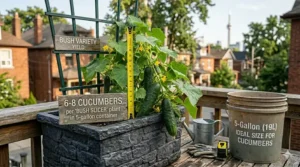
A-frame trellis (best for balconies): Create from bamboo stakes or 2.5 cm PVC pipe, lean against railings
Cage systems (tomato cages work well): Secure in container before planting, ideal for bush varieties
Wall-mounted mesh (for patios): Attach to fence or building wall, train vines horizontally and vertically
DIY string trellis (economical): Hang twine from overhead support, wrap vines as they grow
Ensure any trellis system is secured against Canadian winds—Prairie and coastal gardeners should use additional anchoring. Manitoba growers recommend weighing container bottoms with river rocks for stability.
Training Techniques
- Begin training when plants reach 15-20 cm (6-8 inches) tall
- Gently wind main stem around support, securing with soft plant ties
- Pinch lateral shoots to 2 leaves beyond developing fruit
- Remove lower leaves once plants are established to improve air circulation
Common Pests and Disease Management in Canadian Containers
Prevention Strategies for Container Gardens
Container growing naturally reduces many pest and disease pressures, but vigilance remains important:
- Crop rotation: Use fresh potting mix each season or sterilize containers between uses
- Companion planting: Grow nasturtiums, marigolds, or radishes around cucumber containers to deter pests
- Early morning inspection: Check undersides of leaves weekly for cucumber beetles, aphids, or powdery mildew
- Clean water practices: Avoid splashing foliage to prevent fungal diseases
Specific Canadian Pest Challenges
Cucumber beetles (common in southern Ontario, prairies):
- Symptoms: Yellow-striped beetles feeding on leaves, transmitting bacterial wilt
- Organic solution: Floating row covers until flowering, then hand-pick adults
- Prevention: Companion plant with nasturtiums
Aphids (prevalent nationwide):
- Symptoms: Clusters of small green or black insects on new growth
- Organic solution: Spray with soap and water solution (5 ml dish soap per litre)
- Prevention: Encourage beneficial insects with flowering herbs nearby
Powdery Mildew (humid regions—Ontario, Atlantic provinces, BC):
- Symptoms: White powdery coating on leaves, starting on older foliage
- Organic solution: Spray weekly with 1:10 milk-to-water solution
- Prevention: Ensure adequate air circulation, avoid overhead watering, choose disease-resistant cucumber seeds
According to Wikipedia’s comprehensive cucumber article, cucumbers belong to Cucurbitaceae family and have been cultivated for over 3,000 years, developing natural resistance to various pathogens through selective breeding.
When to Use Organic Interventions
Canadian organic gardeners successfully manage container cucumber issues using:
- Neem oil: Spray bi-weekly for general pest prevention (follow package rates)
- Bacillus thuringiensis (Bt): Target specific caterpillar pests if needed
- Copper fungicide: Last resort for severe fungal infections, use sparingly
Harvesting and Storage Tips for Canadian Growers
Optimal Harvest Timing
Slicing cucumbers (Marketmore, Patio Snacker): Harvest at 15-20 cm (6-8 inches) when dark green and firm
Pickling varieties (National Pickling, H-19): Pick at 8-13 cm (3-5 inches) for best crunch
Mini cucumbers (Mini Me): Harvest at 10-13 cm (4-5 inches) for premium snacking quality
Never let cucumbers over-mature on vines—this signals the plant to stop producing new fruit. Canadian growers should harvest every 2-3 days during peak production (mid-July through August).
Proper Harvesting Technique
- Use clean scissors or pruning shears, cutting 0.5 cm above fruit
- Handle gently to avoid bruising thin-skinned varieties
- Harvest in morning after dew dries but before afternoon heat
- Never twist or pull cucumbers—this damages vines
Storage Recommendations for Canadian Climate
Short-term storage (up to 1 week):
- Wrap unwashed cucumbers individually in paper towels
- Store in refrigerator crisper at 10-13°C (50-55°F)
- Keep away from ethylene-producing fruits (apples, tomatoes)
Long-term preservation:
- Freezing: Slice thinly, flash-freeze on trays, then bag (best for soups, smoothies)
- Pickling: Traditional Canadian dill pickles, bread-and-butter pickles, refrigerator pickles
- Fermenting: Make fermented pickles using 3% salt brine
Prairie and Atlantic Canadian gardeners often process excess cucumbers into pickles during peak August harvests, ensuring year-round enjoyment.
Troubleshooting Common Container Growing Issues
Problem: Bitter-Tasting Cucumbers
Causes: Irregular watering, heat stress, nutrient deficiency
Solutions:
- Maintain consistent soil moisture (check daily in hot weather)
- Apply 5 cm mulch layer to regulate soil temperature
- Feed with balanced liquid fertilizer bi-weekly
- Harvest more frequently to encourage new fruit production
Problem: Yellow or Misshapen Fruit
Causes: Poor pollination, calcium deficiency, inconsistent watering
Solutions:
- Hand-pollinate using cotton swab or small paintbrush (transfer pollen from male to female flowers)
- Add crushed eggshells or calcium supplement to soil
- Ensure containers have adequate drainage to prevent calcium lockout
- Choose parthenocarpic varieties (Patio Snacker, H-19) for balconies with low bee activity
Problem: Plants Wilting Despite Adequate Water
Causes: Bacterial wilt (transmitted by cucumber beetles), root rot from overwatering
Solutions:
- Inspect for cucumber beetles; remove immediately if found
- Check soil moisture before watering—allow top 2-3 cm to dry between waterings
- Improve container drainage if water sits on soil surface
- For bacterial wilt, no cure exists—remove affected plants to prevent spread
Problem: Low Fruit Production
Causes: Insufficient sunlight, over-fertilization with nitrogen, lack of pollination
Solutions:
- Move containers to location receiving minimum 6-8 hours direct sun
- Switch from high-nitrogen to higher-phosphorus and potassium fertilizer
- Plant pollinator-friendly flowers nearby to attract bees
- Consider parthenocarpic varieties for indoor or screened growing areas
Frequently Asked Questions (FAQ)
❓ Can you grow cucumbers in pots in Canada?
❓ What is the best cucumber variety for containers in Canada?
❓ How many cucumber plants can I grow in one container?
❓ Do container cucumbers need support or trellis?
❓ When should I plant cucumber seeds for containers in Canada?
Conclusion: Your Canadian Container Cucumber Success Starts Now
Growing cucumber seeds for containers represents one of the most rewarding adventures Canadian balcony and patio gardeners can undertake. Throughout this guide, we’ve explored seven exceptional varieties perfectly suited for our diverse climate zones—from the ultra-compact Bush Champion ideal for tiny Toronto balconies to the disease-resistant powerhouse Marketmore 76 that thrives in humid Halifax summers.
The magic of container cucumber growing lies in its accessibility. You don’t need sprawling backyards or decades of gardening experience to harvest armfuls of crisp, sun-warmed cucumbers. With the right compact cucumber varieties balcony-tested and proven across Canadian zones, quality potting mix, consistent watering, and vertical growing strategies, you can transform even the smallest urban space into a productive mini-farm.
Remember the key success factors: choose varieties matching your space and climate zone, invest in proper-sized containers (minimum 3-5 gallons for most varieties), maintain consistent moisture without overwatering, and don’t skimp on sunlight—6-8 hours minimum daily. Disease-resistant cucumber seeds and pickling cucumber seeds organic options give you flexibility whether you’re focused on fresh eating, preserving, or seed-saving for future seasons.
Start with beginner-friendly spacemaster cucumber seeds if you’re new to container growing. Their forgiving nature, compact growth, and reliable production make them perfect for building confidence. As you gain experience, experiment with specialty varieties like H-19 Little Leaf for organic pickling or Mini Me for premium snacking cucumbers that rival expensive grocery store offerings.
The investment is minimal—quality seeds cost $2.49-$12.99 CAD, containers and soil another $20-40—but the returns are immeasurable. Imagine stepping onto your balcony each morning to harvest fresh cucumbers for salads, sharing your overflow with neighbours, or filling your pantry with home-canned pickles that preserve summer’s bounty through long Canadian winters.
Your container cucumber journey begins with a single seed. Choose your variety, prepare your containers, and join thousands of Canadian gardeners already enjoying the satisfaction of home-grown vegetables from even the smallest urban spaces. This growing season, let’s make fresh, crisp cucumbers a daily reality—no backyard required!
Recommended for You
- 7 Best Pea Seeds for Short Growing Season Canada 2026
- 7 Best Spinach Seeds for Fall Harvest in Canada 2026
- 7 Best Kale Seeds for Canadian Winter 2026 – Frost-Proof Picks
Disclaimer: This article contains affiliate links to Amazon.ca. If you purchase products through these links, we may earn a small commission at no additional cost to you.
✨ Found this helpful? Share it with your friends! 💬🤗
