
In This Article
Picture this: it’s mid-January in Winnipeg, the thermometer reads -20°C, and you’re harvesting crisp, tender lettuce from your cold frame. Sounds impossible? Welcome to the rewarding world of winter lettuce seeds Canada zone 4 gardeners have been quietly mastering for years.
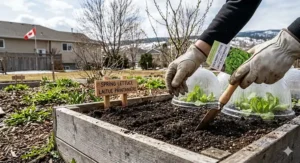
Zone 4 spans much of Canada’s Prairie provinces, parts of Ontario, Quebec, and the interior regions where winters are genuinely harsh. We’re talking about areas where minimum winter temperatures can plummet to -34°C to -29°C according to Natural Resources Canada’s plant hardiness zones. Yet with the right cold hardy lettuce seed mix and proper season extension techniques, you can enjoy fresh salad greens when your neighbours are paying $8 for imported iceberg at the grocery store.
Growing winter lettuce seeds Canada zone 4 isn’t just about saving money—it’s about food security, sustainability, and the pure satisfaction of defeating winter. The key lies in selecting frost tolerant lettuce varieties specifically bred to withstand freezing temperatures, slow growth conditions, and the limited daylight hours of Canadian winters. According to Statistics Canada, Canada’s greenhouse lettuce production has more than doubled since 2018, demonstrating growing Canadian expertise in extending the lettuce season. Varieties like winter density lettuce and arctic king lettuce seeds have been tested in conditions that would make ordinary lettuce turn to mush overnight.
Quick Comparison Table
| Lettuce Variety | Cold Hardiness | Days to Maturity | Price Range (CAD) | Best For |
|---|---|---|---|---|
| Winter Density | Zone 3-11 | 55-65 days | $8-15 | Cold frames, fall planting |
| Arctic King | Zone 3-10 | 60-70 days | $10-18 | Overwintering, extreme cold |
| Mache (Corn Salad) | Zone 3-9 | 45-60 days | $7-12 | Lowest temps, micro-salads |
| Cold Hardy Mix | Zone 4-10 | 50-70 days | $12-22 | Diverse harvest, beginners |
| Rouge d’Hiver | Zone 4-9 | 60-70 days | $9-16 | Colour, cold tolerance |
| North Pole Butterhead | Zone 3-9 | 51 days | $8-14 | Sweet flavour, spring harvest |
| Winter Marvel | Zone 4-10 | 52 days | $9-15 | Reliable, self-seeding |
💬 Just one click – help others make better buying decisions too!😊
Top 7 Winter Lettuce Seeds Canada Zone 4: Expert Analysis
1. West Coast Seeds Winter Density Lettuce – The Canadian Standard
West Coast Seeds Winter Density Lettuce is the gold standard for Canadian zone 4 gardeners, and for good reason. This romaine-butterhead hybrid produces compact, dense heads with crisp leaves and a sweet, mild flavour that intensifies slightly in cold weather. Agriculture and Agri-Food Canada recognizes butterhead lettuce as one of the primary types grown in Canadian greenhouses, validating its suitability for protected cultivation.
Key Specifications:
- Germination temperature: 10-22°C (50-72°F)
- Maturity: 65 days
- Spacing: 20-30 cm (8-12 inches)
- Hardiness: Zones 3-11
Canadian buyers consistently praise this variety in their reviews. One Ontario gardener noted: “I planted these in my 6×8 greenhouse with a small heater set to 2°C, and I’ve been enjoying fresh lettuce for weeks even though it’s freezing at night.” Another from Alberta mentioned “fantastic germination and wonderful flavour—better than any store-bought lettuce.”
✅ Pros:
- Excellent cold tolerance with protection
- Proven performance across Canada
- High germination rates (90%+)
❌ Cons:
- Requires season extension in zone 4
- Slightly longer maturity than some varieties
Price: $11-14 CAD per packet (approximately 500 seeds)
Availability: Widely available on Amazon.ca through West Coast Seeds, typically ships within 2-3 business days across Canada.
2. Arctic King Butterhead Lettuce Seeds – The Ultimate Cold Warrior
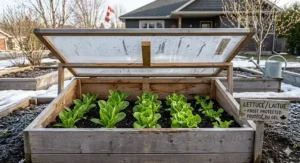
For zone 4 gardeners who want to push the boundaries, Arctic King Butterhead Lettuce Seeds live up to their name. This variety can withstand temperatures down to -15°C with minimal protection, making it ideal for autumn planting and spring overwintering. Research from University of Maryland Extension lists Arctic King among recommended cultivars specifically for overwintering conditions.
Key Specifications:
- Cold tolerance: Down to -15°C
- Maturity: 60-70 days
- Head type: Compact butterhead
- Leaf colour: Light green outer, lime green centres
Arctic King produces tender, crisp, and juicy heads with exceptional cold resistance. Salt Spring Seeds, a Canadian heritage seed company, describes it as having “light green outer leaves and tight lime green centres.” The variety is usually sown in autumn but also performs well with early spring planting.
Canadian reviews are enthusiastic: “The best lettuce I’ve ever grown in Alaska-like conditions,” one reviewer shared. “Comes to complete maturity without bolting when seed is started indoors.”
✅ Pros:
- Exceptional cold resistance
- Excellent flavour even in freezing temps
- Suitable for overwintering
❌ Cons:
- Limited availability in Canada
- Slightly higher price point
Price: $13-18 CAD per packet (approximately 20+ seeds for premium packs, 100+ for bulk)
Availability: Amazon.ca carries Arctic King through specialty seed vendors; check multiple sellers for best pricing and shipping options.
3. Mache Seeds (Corn Salad/Lamb’s Lettuce) – The Micro-Climate Champion
Mache seeds corn salad, also known as lamb’s lettuce or Valerianella locusta, is technically not a true lettuce but deserves a prime spot in every zone 4 winter garden. This cold hardy green can survive where other lettuces fear to tread. According to Rutgers University research, cold-hardy varieties like mache are essential for high tunnel winter production in northern climates.
Key Specifications:
- Extreme cold hardiness: Survives snow and frost
- Maturity: 45-60 days
- Growth pattern: Low rosette formation
- Flavour profile: Mild, crunchy, slightly nutty
Canadian seed companies like Incredible Seeds (Ontario-based) and Annapolis Seeds (Nova Scotia) specifically recommend mache for “winter growing in cold frames or low tunnels.” Halifax Seed Company calls it “the ideal winter salad item” that’s “excellent at a time of year when greens become scarce.”
The versatility is impressive—you can harvest whole rosettes at 6 cm (2.5 inches) high or pick individual leaves for continuous production. One Manitoba gardener reported: “Mache survived under snow cover all winter and came back strong in early spring—no other green did that.”
✅ Pros:
- Extreme cold tolerance
- Self-seeds for future harvests
- Unique nutty flavour
❌ Cons:
- Smaller leaves require more picking
- Can be finicky to establish
Price: $8-12 CAD per packet (200-500 seeds)
Availability: Available through Canadian retailers on Amazon.ca; Incredible Seeds and Veseys are reliable Canadian sources.
4. Fall & Winter Lettuce Seed Mix – The Diversity Strategy
Fall & Winter Lettuce Seed Mix products from companies like Mountain Valley Seed or True Leaf Market offer Canadian gardeners a strategic advantage: multiple varieties in one package. These mixes typically include frost tolerant lettuce varieties like Winter Density, Ithaca, Waldmann’s Green, and Arctic King.
Key Specifications:
- Variety count: 3-10 different types
- Seed count: 400-25,000 seeds depending on package
- Mix composition: Butterhead, heading, loose leaf, and romaine types
- Colour range: Reds and greens
True Leaf Market’s organic fall planting lettuce seeds mix contains Danyelle, Flame, and Red Deer Tongue varieties specifically selected for “good performance under low light and low temperature conditions”—exactly what zone 4 winters deliver.
The beauty of mixes? You’re essentially running variety trials in your own garden without committing to large quantities of any single type. You’ll quickly discover which performs best in your specific microclimate.
✅ Pros:
- Risk diversification across varieties
- Great value (bulk seed quantities)
- Perfect for beginners
❌ Cons:
- Can’t order more of favourite variety
- Harvest timing may vary widely
Price: $12-22 CAD depending on seed count and organic certification
Availability: Amazon.ca stocks several brands; Mountain Valley Seed Company mixes are popular with Canadian buyers.
5. Rouge d’Hiver Lettuce (Red Winter) – The Colour Specialist
Rouge d’Hiver Lettuce (French for “Red Winter”) brings both visual appeal and cold tolerance to zone 4 gardens. This butterhead variety produces heads tinged with dark ruby bronze that intensifies in cold weather—a stunning addition to winter salads.
Key Specifications:
- Heritage variety: French heirloom
- Cold hardiness: Zones 4-9
- Leaf colour: Green with reddish-bronze tints
- Texture: Tender butterhead type
Sweet Yards Seed Company includes Rouge d’Hiver in their cold hardy fall and winter seed variety packs specifically marketed to Canadian gardeners. The variety’s European heritage means it was developed in climates similar to much of southern Canada.
PEI Seed Alliance notes that similar French heirloom varieties like “Brune d’Hiver” have “excellent cold hardiness and are both beautiful and delicious” with “glowing green heads brushed in reddish-bronze.”
✅ Pros:
- Beautiful red colouration
- Excellent cold tolerance
- Sweet, rich flavour
❌ Cons:
- May bolt in early summer heat
- Requires consistent moisture
Price: $9-16 CAD per packet
Availability: Found in variety packs on Amazon.ca; individual packets available through specialty Canadian seed companies.
6. North Pole Butterhead Lettuce – The Early Spring Performer
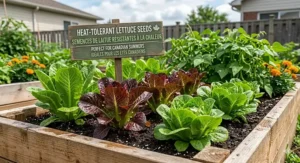
North Pole Butterhead excels at a specific niche: fall planting lettuce seeds for spring harvest. This extremely cold hardy variety can overwinter in zone 4 with protection and resume vigorous growth as days lengthen in March.
Key Specifications:
- Maturity: 51 days
- Head size: 15-20 cm (6-8 inches)
- Flavour: Sweet, buttery
- Best use: Overwintering for early spring harvest
PEI Seed Alliance describes North Pole as producing “elegant lime-green 6-8 inch buttery heads, sweet and tasty” that “overwinters well in the greenhouse and resumes vigorous growth as days grow longer, tolerating spring frosts.” The key caveat? “Turns bitter in the heat,” so timing is everything.
For zone 4 gardeners, this means planting in September, providing minimal protection through winter, and harvesting in April-May—weeks before you could direct-sow spring lettuce outdoors.
✅ Pros:
- Exceptionally sweet flavour
- Perfect for spring harvest gap
- Tolerates spring frosts
❌ Cons:
- Not suitable for summer
- Requires winter protection
Price: $8-14 CAD per packet
Availability: Amazon.ca listings variable; check West Coast Seeds and Ontario Seed Company for reliable Canadian availability.
7. Winter Marvel (Merville de Quatre Saison) – The Self-Sustaining Choice
Winter Marvel, also sold as Merville de Quatre Saison, is a European heirloom that has become a favourite among experienced Canadian zone 4 gardeners for its resilience and self-seeding behaviour.
Key Specifications:
- Heritage: Old European variety
- Maturity: 52 days
- Type: Large butterhead
- Special feature: Self-seeds reliably
PEI Seed Alliance calls this their “farm favourite,” noting it’s a “large fancy light green butterhead recommended for fall production and overwintering.” The real magic? “It self seeds each year for early lettuce in the greenhouse and outside.”
This means you plant it once, save seed or let it self-sow, and you’ll have volunteer lettuce appearing year after year. For sustainable gardening in zone 4, this characteristic is invaluable. One gardener in Saskatchewan reported: “I planted Winter Marvel five years ago and now I have lettuce volunteers every spring without replanting.”
✅ Pros:
- Self-seeding for sustainable gardens
- Large, attractive heads
- Proven cold hardiness
❌ Cons:
- Bolts easily in heat
- May need thinning if self-seeding prolifically
Price: $9-15 CAD per packet
Availability: Canadian heritage seed companies; occasionally available on Amazon.ca marketplace.
✨ Don’t Miss These Exclusive Deals!
🔍 Take your winter gardening to the next level with these carefully selected cold hardy lettuce varieties available in Canada. Click on any highlighted product to check current pricing and availability on Amazon.ca. These seeds will help you create authentic fresh salads your family will love all winter long!
Understanding Canadian Zone 4 Growing Conditions
Canadian hardiness zones differ significantly from USDA zones, a confusion that trips up many new gardeners. According to Natural Resources Canada, the Canadian zone system considers multiple climate factors beyond just minimum winter temperature: maximum temperature, rainfall, snow cover, wind exposure, and growing season length. The zones have been updated using 1981-2010 climate data to reflect Canada’s changing growing conditions.
Zone 4 in Canada corresponds roughly to USDA zone 5, meaning plants rated “USDA zone 4” may struggle in Canadian zone 4 conditions. As Prairie Gardens notes in their Canadian hardiness zones guide, “a plant labelled with the USDA hardiness zone 4 is actually a zone 5 in the Canadian system.”
What Zone 4 Means for Lettuce
Temperature extremes: -34°C to -29°C minimum winter temperatures
Frost dates: Last spring frost: mid-May to early June | First fall frost: mid-September
Growing season: 100-140 frost-free days depending on location
Snow cover: Reliable snow insulation in most areas
According to Wikipedia’s hardiness zone article, snow acts as an insulator against extreme cold, protecting plant root systems. Quebec City sits in zone 4 but “can rely on a significant snow cover every year, making it possible to cultivate plants normally rated for zones 5 or 6.”
This matters for winter lettuce because adequate snow cover—or artificial mulch—can protect cold frames and low tunnels, creating microclimates up to two zones warmer than ambient conditions.
How to Choose Winter Lettuce Seeds for Zone 4 Canada
Selecting the right winter lettuce seeds Canada zone 4 varieties requires understanding five key factors, as outlined by University of Illinois Extension’s cold hardiness guidance:
1. Verify True Cold Hardiness
Look for varieties explicitly rated for zones 3-4. Marketing terms like “cold tolerant” can be vague—you want varieties tested in genuine Canadian conditions. Cold hardy lettuce seed mix products from Canadian companies (West Coast Seeds, Halifax Seed, Veseys) are pre-selected for our climate. Washington State University winter lettuce research emphasizes that cold-hardy varieties are essential for successful winter production.
2. Match Variety to Season Extension Method
Cold frames: Winter Density, Arctic King, Mache
Unheated hoop tunnels: Most butterhead types, romaine hybrids
Heated greenhouses (minimum heat): All varieties listed
No protection: Only the hardiest mache varieties in milder zone 4 areas
3. Consider Maturity Timing
For fall planting lettuce seeds, count backward from your first fall frost date (typically mid-September in zone 4). Add 2-3 weeks for slowing growth rates as temperatures drop. A 60-day variety planted August 1 might not be ready until early October.
4. Select for Low-Light Tolerance
Winter lettuce seeds Canada zone 4 gardens must perform under diminished daylight. Varieties specifically bred for “winter production” or “low-light conditions” have been selected for this trait. The fall and winter lettuce mixes from True Leaf Market explicitly mention varieties chosen for “good performance under low light.”
5. Plan for Continuous Harvest
Rather than planting all seeds at once, stagger sowings every 2-3 weeks from mid-July through September. This ensures a rolling harvest from October through April. Combine cut-and-come-again varieties (loose leaf types) with head lettuces for harvest flexibility.
Essential Growing Requirements
Soil Preparation
Lettuce thrives in loose, well-drained soil rich in organic matter. Before fall planting lettuce seeds, work in 5-7 cm (2-3 inches) of compost. Soil pH should be 6.0-7.0—slightly acidic to neutral, according to University of Kentucky’s lettuce production guide.
Canadian soils often benefit from lime additions in zone 4 regions where acid rain and conifer needles lower pH. Test your soil in spring using kits available at Canadian Tire or through provincial agricultural extension services.
Temperature Management
Optimal germination occurs at 10-22°C (50-72°F). In late summer heat, pre-chill seeds by placing them in the refrigerator for 3-5 days before sowing, or start indoors in cooler conditions.
Once established, cold hardy lettuce varieties actually improve in flavour after exposure to light frosts. Sugars concentrate in leaves as a natural antifreeze—this is why winter lettuce tastes sweeter than summer crops.
Water and Fertilization
Consistent moisture is critical. Lettuce is 95% water, and in cold frames where soil can dry out despite cold temperatures, check moisture every 2-3 days. Water in morning when possible to allow foliage to dry before nightfall, reducing disease risk.
Use nitrogen-rich fertilizers sparingly—lettuce needs nitrogen but excessive amounts in cold weather can lead to soft growth susceptible to frost damage. A balanced 10-10-10 fertilizer applied at half strength every 3-4 weeks suffices.
Season Extension Methods for Zone 4
Cold Frames
A cold frame is essentially a bottomless box with a transparent lid. South-facing placement maximizes solar gain. On sunny winter days, temperatures inside can reach 15-20°C even when outdoor air is -10°C.
Construction tip: Use rigid foam insulation on north and west walls for Canadian zone 4 conditions. The growing season extension can be 6-8 weeks both fall and spring.
Hoop Tunnels
Low tunnels (45-60 cm / 18-24 inches high) are perfect for frost tolerant lettuce varieties. Use 9-gauge wire hoops covered with 6-mil greenhouse plastic. Row cover fabric underneath the plastic creates a double-layer system for extreme cold nights.
Row Covers
Floating row covers (Reemay, Agribon) provide 2-4°C of frost protection. For winter lettuce in zone 4, use AG-50 weight (50 grams per square meter) which offers 4-degree protection while allowing 70% light transmission.
Unheated Greenhouses
Even an unheated greenhouse moderates temperature swings. Pair it with thermal mass (water barrels, stone pavers) that absorb daytime heat and release it at night. Savvy Gardening notes that many winter lettuce growers add a second layer of row cover inside the greenhouse in December for an extra buffer.
Planting Schedule for Zone 4 Canada
Late Summer Sowing (Mid-July to August 15)
Direct sow or transplant for fall harvest before first frost. This is prime time for winter density lettuce and other varieties you want to mature before snow flies.
Method: Direct sow 6 mm (1/4 inch) deep, thin to 20-30 cm (8-12 inches) spacing
Expected harvest: September through October
Late Summer/Early Fall (August 15 to September 15)
Plant arctic king lettuce seeds and other extra-hardy varieties under protection for extended harvest into November or December.
Method: Transplant seedlings started indoors to cold frames or hoop tunnels
Expected harvest: October through December (with protection)
Fall Overwintering (September 15 to October 1)
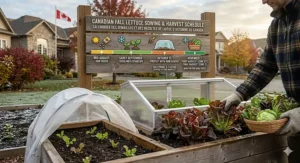
Sow mache seeds corn salad and North Pole butterhead for spring harvest. These will establish small rosettes before winter dormancy, then explode into growth when temperatures warm in March.
Method: Direct sow in protected areas
Expected harvest: April through May
Common Challenges and Solutions
Bolting in Warm Spells
Winter lettuce can bolt during unexpected warm periods. Choose slow-bolting varieties like Winter Marvel. If temperatures spike above 20°C for several days, harvest immediately or provide shade cloth.
Slugs and Pests
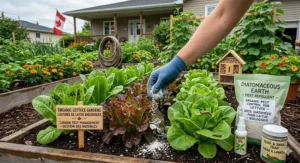
Cold frames create ideal slug habitat. Place copper tape around frame edges or use diatomaceous earth around plants. Hand-pick slugs on mild evenings.
According to Canadian Master Gardener resources, aphid pressure decreases in cold weather but monitoring is still important. A strong water spray dislodges aphids without chemical intervention.
Disease Prevention
Good air circulation prevents fungal diseases. Vent cold frames on mild days. Avoid overhead watering in late afternoon. Remove any yellowing or damaged leaves promptly. Agriculture and Agri-Food Canada’s greenhouse lettuce crop profile provides detailed integrated pest management strategies for Canadian growers.
Germination Failure
If soil temperatures exceed 22°C (72°F), lettuce seeds enter thermal dormancy. Combat this by:
- Pre-sprouting seeds on damp paper towels in the refrigerator
- Sowing in late afternoon when soil has cooled
- Starting seeds indoors under grow lights in cool basement
Harvesting and Storage Tips
Harvest Timing
Baby leaf stage: 3-4 weeks after germination, cut when leaves are 7-10 cm (3-4 inches)
Mature heads: 50-70 days depending on variety
Harvest in morning after dew has dried but before afternoon heat. This ensures maximum crispness and nutrient retention.
Cut-and-Come-Again Method
For loose-leaf and romaine types, cut leaves 2-3 cm (1 inch) above the crown. Plants will regrow for 2-3 additional harvests. This method extends your harvest window significantly in cold hardy lettuce seed mix plantings.
Winter Storage
Fresh lettuce stores 7-10 days in refrigerator crisper drawers. For longer storage, try these Canadian winter methods:
- Harvest with roots: Pull entire plants, shake off soil, store in cool basement (2-5°C) with roots in damp sand
- Harvest and freeze: Blanch for 30 seconds, plunge into ice water, squeeze dry, freeze in portions
🌱 Grow Your Winter Garden Success!
Ready to start your winter lettuce journey? Explore the highlighted varieties above to find the perfect seeds for your zone 4 garden. Each variety is available on Amazon.ca with fast shipping across Canada. Start planning your fall planting schedule today!
FAQ
❓ What is the best time to plant winter lettuce seeds in Canada zone 4?
❓ Can lettuce survive winter in zone 4 without protection?
❓ Where can I buy winter lettuce seeds in Canada?
❓ How long does it take for winter lettuce to mature in zone 4?
❓ What's the difference between winter lettuce and regular lettuce seeds?
Conclusion: Year-Round Lettuce is Possible in Zone 4
Growing winter lettuce seeds Canada zone 4 gardens transforms the Canadian winter gardening experience from survival mode to abundance. With proper variety selection—favouring frost tolerant lettuce varieties like Winter Density, Arctic King, and mache—combined with simple season extension techniques, fresh salad greens throughout winter become reality rather than fantasy.
The investment is minimal: quality cold hardy lettuce seed mix packets cost $10-20 CAD, a basic cold frame can be built for under $100, and the knowledge curve is gentle enough for beginners while offering depth for experienced growers to master.
Start with a diverse winter lettuce seed mix to discover which varieties thrive in your specific microclimate. Pay attention to Canadian hardiness zone information rather than relying on USDA zones. Time your fall planting lettuce seeds correctly by working backward from your first frost date. Most importantly, don’t let zone 4’s reputation intimidate you—Canadians have been growing winter lettuce for generations.
The reward? Crisp, sweet lettuce harvested from under snow cover while your neighbours scrape ice off their car windows. Fresh salads in February. Food security that doesn’t depend on California’s water supply or Mexico’s growing season. And the quiet satisfaction of proving that Canadian zone 4 winters don’t mean the end of fresh produce—they mean the beginning of real gardening skill.
Recommended for You
- 7 Best Lettuce Seeds for Canadian Climate in 2026
- 7 Best Pepper Seed Variety Packs Canada 2026
- 7 Best Hot Pepper Seeds Canada Online 2026
Disclaimer: This article contains affiliate links to Amazon.ca. If you purchase products through these links, we may earn a small commission at no additional cost to you.
✨ Found this helpful? Share it with your friends! 💬🤗
