
In This Article
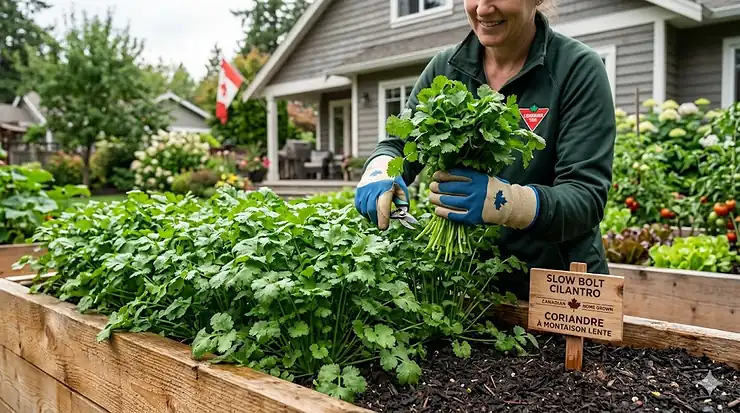
If you’ve ever planted cilantro in your Canadian garden only to watch it bolt to seed within weeks, you’re not alone. Regular cilantro varieties have a frustrating habit of flowering prematurely, especially during Canada’s unpredictable spring warming periods and short but intense summers. The moment temperatures climb above 24°C (75°F) or daylight extends beyond 14 hours, traditional cilantro transforms from a lush herb into a tall, spindly seed stalk—often before you’ve harvested enough leaves for a single batch of salsa.
This is where slow bolt cilantro seeds become game-changers for Canadian gardeners. These specially bred varieties resist the urge to flower for several weeks longer than standard types, giving you an extended harvest window that actually matches our growing season. According to the Ontario Ministry of Agriculture, Food and Rural Affairs, cilantro typically matures in 40-60 days for leaf harvest in Canadian conditions—but only if you choose varieties bred to withstand temperature fluctuations.
What most Canadian gardeners don’t realize is that cilantro (Coriandrum sativum) is actually a cool-season Mediterranean herb that evolved for mild winters and gentle springs. Our harsh continental climate—with its late spring frosts followed by sudden summer heat—creates the perfect storm for premature bolting. Slow bolt varieties have been selected specifically to tolerate these swings, making them the only sensible choice if you want fresh cilantro from May through September without replanting every fortnight.
The difference is substantial. While standard cilantro might give you 3-4 weeks of leaf production in a Toronto or Calgary garden, slow bolt types like Calypso or Santo can extend that to 6-8 weeks under the same conditions. For Canadian gardeners dealing with short growing seasons—especially in zones 3-5 where frost-free periods are limited—this extended productivity means the difference between occasional garnishes and actually having enough cilantro to preserve for winter use.
Quick Comparison: Top Slow Bolt Cilantro Varieties for Canada
| Variety | Days to Maturity | Bolt Resistance | Best Canadian Climate | Seed Count (typical) | Price Range (CAD) |
|---|---|---|---|---|---|
| Calypso Cilantro | 45-55 days | Excellent | All zones (especially 3-6) | 300+ seeds | $8-$15 |
| Santo Cilantro | 50-55 days | Very Good | Zones 4-8 | 200+ seeds | $6-$12 |
| Slow Bolt Standard | 45-60 days | Good | Zones 5-9 | 2,500+ seeds (bulk) | $12-$35 |
| Leisure Cilantro | 50-60 days | Very Good | Zones 3-7 | 150+ seeds | $4-$9 |
| Confetti Cilantro | 55-65 days | Excellent | Zones 4-9 | 100+ seeds | $5-$10 |
| Long Standing Cilantro | 50-65 days | Good | Zones 3-6 | 250+ seeds | $7-$14 |
| Delfino Cilantro | 45-50 days | Moderate | Zones 5-8 | 200+ seeds | $6-$11 |
💬 Just one click — help others make better buying decisions too!😊
Top 7 Slow Bolt Cilantro Seeds: Expert Analysis for Canadian Gardeners
1. Arborlily Canada Seeds Calypso Cilantro
If you’re gardening anywhere from Winnipeg to Whitehorse, Arborlily Canada Seeds Calypso Cilantro deserves top billing. This heirloom variety was specifically developed for Canadian growing conditions, and it shows in its remarkable performance during our challenging springs.
The Calypso variety produces distinctively bushy, compact growth rather than the typical tall, spindly stems you see with other cilantros—what some northern growers describe as a “cratered center” where flowers would normally emerge. This genetic quirk translates to more harvestable leaf mass and significantly delayed flowering. In subarctic trials documented by northern Canadian growers, Calypso maintained leaf production through 75% of the growing season, whereas standard varieties bolted within 3-4 weeks of transplanting.
What makes this variety essential for Canadian gardens is its cold tolerance combined with heat delay. You can direct-seed Calypso in early April across zones 4-6 without worrying about late frost damage, yet it won’t bolt immediately when May temperatures spike to 28°C during those unseasonable heat waves. The thick, fragrant leaves have the sharp, citrusy flavour that makes cilantro indispensable in Mexican and Asian cuisines, with higher oil content than many commercial varieties—you’ll notice the difference immediately when making fresh salsa or Vietnamese pho.
Canadian reviewers consistently praise the germination rate (typically 85-90% within 10-14 days) and the fact that it’s grown from Canadian seed stock, meaning it’s already adapted to our photoperiod and temperature ranges. The package contains over 300 seeds, enough for multiple succession plantings throughout the season.
Pros:
✅ Exceptional bolt resistance in northern climates
✅ Compact, bushy growth maximizes leaf production
✅ Canadian-grown seeds adapted to local conditions
Cons:
❌ Less productive in hot, humid climates (zones 8-9)
❌ Slightly slower germination than some varieties (10-14 days vs. 7-10 days)
Price range: Around $10-$15 CAD depending on retailer. Best value for northern Canadian gardeners who need reliable performance in short-season zones.
2. Northern Seeds Organic Santo Cilantro
For organic gardeners across Canada, Northern Seeds Organic Santo Cilantro represents the gold standard in slow-bolting performance. Certified organic by Quebec Vrai, this variety delivers consistent results from the Maritimes to the Prairies, with particularly impressive performance in Quebec’s variable spring weather.
Santo is considered the commercial grower’s choice for good reason—it was bred specifically for extended leaf production before seed set. The plants develop sturdy 25-30 cm (10-12 inch) stems with dense, deep green foliage that maintains that essential cilantro bite even as the plant matures. Unlike cheaper varieties that turn bitter and woody once flowering approaches, Santo leaves stay tender and flavourful right up until you see the first lacy flower stalks emerging.
What Canadian growers need to understand about Santo is that despite being marketed as “slow-bolting,” it still responds to photoperiod—meaning you’ll get best results planting in early spring (late April-May) or late summer (mid-August) when day length is decreasing. The variety performs exceptionally well in raised beds and containers, making it ideal for condo-dwellers in Toronto, Montreal, and Vancouver who garden on balconies. In traditional garden beds, direct seed densely (12-24 seeds per 30 cm) and thin to one plant every 5-10 cm if you want to eventually harvest coriander seeds.
Northern Seeds packages approximately 200+ certified organic seeds, and being a Canadian company based in Quebec, they understand our growing challenges intimately. The seeds arrive fresh with excellent viability—expect germination within 7-10 days at soil temperatures above 12°C (54°F).
Pros:
✅ Certified organic (Quebec Vrai) for chemical-free growing
✅ Excellent performance in succession planting systems
✅ Tender leaves even at maturity with minimal bitterness
Cons:
❌ Higher price point than non-organic alternatives
❌ Still requires succession planting for continuous harvest (doesn’t eliminate need entirely)
Price range: Around $8-$12 CAD for 200+ seeds. Worth the premium if you’re committed to organic gardening or selling at farmers markets.
3. McKenzie Seeds Cilantro Coriander Organic
McKenzie Seeds Cilantro Coriander Organic is the veteran Canadian gardener’s reliable choice—this company has been serving Canadian growers since 1896, and their cilantro seed reflects over a century of understanding our unique climate challenges.
This variety is technically quick to flower compared to purpose-bred slow-bolt types, but McKenzie addresses this by encouraging succession planting every 2-3 weeks. The seeds themselves are large-fruited types (3-5 mm diameter) which means they germinate more reliably than small-seeded varieties and produce more vigorous seedlings—crucial when you’re direct-seeding into cold April soil in Saskatoon or Thunder Bay.
What makes McKenzie’s offering worthwhile for Canadian gardens is the dual-purpose flexibility. Yes, the plants will bolt relatively quickly (45-55 days), but they’re bred to produce excellent coriander seed yields as well as leaves. If you’re interested in harvesting both the fresh herb and the dried spice, this variety delivers better seed quality than many slow-bolt types that sacrifice seed production for extended leaf growth. The mature seeds have high linalool content (60-70%), giving them that characteristic warm, nutty aroma that defines quality coriander.
Canadian gardeners appreciate McKenzie’s detailed planting instructions specific to our growing zones, and the seed packets include timing recommendations adjusted for different provinces. The seeds should be sown directly into the garden when soil temperature reaches 12°C (55°F)—don’t transplant cilantro; its long taproot makes transplanting stressful and triggers premature bolting.
Pros:
✅ Excellent for dual-purpose harvest (leaves and seeds)
✅ Large seeds with high germination rates in cold soil
✅ Trusted Canadian company with zone-specific guidance
Cons:
❌ Bolts faster than dedicated slow-bolt varieties
❌ Requires more frequent succession planting for continuous leaf harvest
Price range: Around $6-$10 CAD per packet. Best choice if you want both fresh cilantro and dried coriander for winter cooking.
4. West Coast Seeds Cilantro Slow Bolt Organic
British Columbia gardeners have long trusted West Coast Seeds Cilantro Slow Bolt Organic, and for good reason—this variety was selected specifically for Pacific Northwest conditions, which means it handles BC’s cool, wet springs and mild summers better than varieties bred for Mediterranean climates.
The plants develop broad, deep green leaves with that characteristic celery-like appearance cilantro is known for, but with noticeably thicker stems and denser foliage than standard types. This translates to higher yields per plant—you can harvest outer leaves continuously for 6-8 weeks in coastal BC gardens before flowering begins, compared to 3-4 weeks for non-slow-bolt varieties. The flavour profile leans toward the citrusy, bright end of the cilantro spectrum rather than the soapy notes some people find off-putting (though genetics still play the biggest role in individual taste perception).
West Coast Seeds is another Canadian company (based in BC) that understands our growing realities. Their organic certification comes from PACS (Pacific Agricultural Certification Society), and the seeds are tested for high germination rates before packaging. The variety performs well in both full sun and partial shade—actually, partial afternoon shade in interior BC (Okanagan, Kamloops) can extend bolt resistance by keeping soil temperatures cooler during peak summer heat.
For Canadian gardeners dealing with slug pressure (Maritime provinces, coastal BC), cilantro’s strong scent makes it relatively slug-resistant compared to lettuce or basil, though seedlings still need protection until they’re established. The seeds can be sown as early as late March in zone 8 (Vancouver, Victoria) or mid-May in colder interior regions.
Pros:
✅ Optimized for Pacific Northwest Canadian conditions
✅ Performs well in partial shade (useful for hot interior BC)
✅ Canadian organic certification (PACS)
Cons:
❌ Less tested in Prairie and Eastern Canadian climates
❌ Availability can be limited outside BC and Alberta
Price range: Around $9-$14 CAD. Essential for BC gardeners, worth trying in Alberta and Saskatchewan.
5. Mumm’s Sprouting Seeds Organic Cilantro/Coriander
If you’re interested in growing cilantro as microgreens or sprouts in addition to full-sized plants, Mumm’s Sprouting Seeds Organic Cilantro/Coriander offers exceptional versatility. This Canadian company (based in Saskatchewan) specializes in sprouting seeds, and their cilantro variety delivers high germination rates essential for microgreen production.
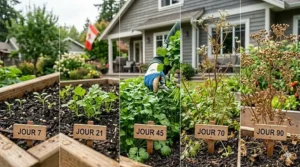
The beauty of growing cilantro as microgreens during Canadian winters is that you bypass the bolting issue entirely—you’re harvesting at 10-21 days when the plants are just developing their first true leaves. The flavour is intensely cilantro-forward, with none of the bitterness that can develop in mature plants, making these microgreens perfect for garnishing winter soups, tacos, and curries when fresh outdoor cilantro is unavailable.
For full garden use, these seeds produce robust plants with excellent cold tolerance—you can direct-seed them in early spring as soon as soil is workable (typically early April in southern Saskatchewan, late April to early May in northern regions). The heirloom genetics ensure strong, healthy growth without synthetic pesticides or GMOs. Germination typically occurs in 7-10 days at soil temperatures of 15°C (60°F) or higher.
What Canadian gardeners should know is that Mumm’s provides detailed sprouting AND growing instructions with their seeds, recognizing that many customers want both options. The seeds are cleaned and tested specifically for sprouting safety, which isn’t always the case with standard garden seeds. For winter sprouting, you’ll need a simple sprouting jar or tray—within 7-10 days you’ll have fresh cilantro greens even when there’s 30 cm of snow in your Winnipeg backyard.
Pros:
✅ Dual-purpose: microgreens AND full garden plants
✅ Cleaned and tested for safe sprouting
✅ Saskatchewan-based company understands Prairie growing conditions
Cons:
❌ Smaller seed quantities than dedicated garden seed packets
❌ Higher per-seed cost due to sprouting-grade processing
Price range: Around $7-$18 CAD depending on quantity (30g to 100g packages available). Best investment for year-round cilantro production combining indoor sprouts and outdoor gardening.
6. Metchosin Farm 100% Canadian Grown Cilantro Seeds
For gardeners committed to supporting local Canadian agriculture, Metchosin Farm 100% Canadian Grown Cilantro Seeds represents true seed-to-table provenance. This small Vancouver Island seed farm grows, processes, and packages all their seeds on-site, ensuring you’re getting genetics specifically adapted to Canadian West Coast conditions.
The cilantro variety they offer is a carefully selected strain that balances bolt resistance with flavour intensity. Plants grow 45-60 cm (18-24 inches) tall with dark green, fragrant leaves that maintain their citrusy taste even as temperatures climb. What makes this variety special for BC coastal gardens is its tolerance for our cool, damp spring conditions—many cilantro varieties struggle with fungal issues when germinating in cold, wet soil, but Metchosin’s strain shows excellent resistance to damping-off and early season diseases.
Being a small farm operation, Metchosin provides exceptional customer support and growing guidance specific to BC’s various microclimates—their team can advise whether to direct-seed in March (Victoria, southern Gulf Islands) or wait until May (northern Vancouver Island, higher elevations). The seeds are certified organic, open-pollinated, and non-GMO, and they remain viable for up to 5 years when stored properly in cool, dark conditions.
Canadian gardeners should understand that supporting small seed farms like Metchosin isn’t just about seed quality—it’s about preserving regional seed diversity and keeping Canadian-adapted genetics in circulation. These aren’t mass-produced imports from California or Mexico; they’re bred in Canadian soil under Canadian conditions.
Pros:
✅ 100% Canadian-grown seeds adapted to local climate
✅ Small farm direct support with excellent customer service
✅ Long seed viability (up to 5 years with proper storage)
Cons:
❌ Limited availability (mostly Western Canada)
❌ Smaller commercial scale means occasional stock-outs
Price range: Around $8-$13 CAD per packet. Premium pricing justified by provenance and adaptation to Canadian coastal climates.
7. Bulk Slow Bolt Cilantro Seeds (Various Brands – Amazon.ca)
For Canadian market gardeners, restaurant suppliers, or ambitious home gardeners planning extensive succession plantings, Bulk Slow Bolt Cilantro Seeds available through Amazon.ca offer unbeatable economics. These typically come in 113g (4 oz), 454g (1 lb), or larger quantities containing thousands of seeds—enough for planting entire garden beds or greenhouse rows.
The bulk varieties are usually standard slow-bolt strains with broad, deep green foliage and decent bolt resistance (typically 45-60 days before flowering under Canadian conditions). Germination rates vary by supplier but generally range from 80-90% when seeds are fresh. The major advantage is cost-per-seed: while premium packets might cost $0.03-$0.05 per seed, bulk purchases can bring that down to under $0.01 per seed, making succession planting economically feasible even for hobby gardeners.
What Canadian buyers need to verify before purchasing bulk seed is shipping eligibility—some US-based Amazon sellers don’t ship to Canada, or charge prohibitive cross-border fees. Look for Canadian sellers or products clearly marked as available for Canadian delivery. Also check production dates; cilantro seed viability drops after 2-3 years, so buying 2 kg of seed that’s been sitting in a warehouse since 2023 is false economy. Fresh seed from current-year harvests will have dramatically better germination rates.
For succession planting systems—which are essential for continuous cilantro harvest in Canadian gardens—bulk seed makes perfect sense. Plant a new row or bed section every 2-3 weeks from late April through July, and you’ll have fresh cilantro from June through October. The volume also allows for generous seeding density (important since cilantro doesn’t transplant well and you’ll need extras in case of damping-off or pest damage).
Pros:
✅ Unbeatable cost-per-seed for large-scale planting
✅ Ideal for succession planting systems
✅ Multiple quantity options (4 oz to 5 lb+)
Cons:
❌ Verify Canadian shipping and import eligibility
❌ Seed freshness and viability can vary by supplier
Price range: Around $12-$45 CAD depending on quantity. Best value for gardeners planting 10+ metres of row space or doing commercial microgreen production.
Succession Planting Strategy: The Only Way to Guarantee Fresh Cilantro All Summer in Canada
Here’s the truth most Canadian gardening books won’t tell you: even with slow bolt cilantro seeds, you cannot plant once in May and expect continuous harvest through September. Our continental climate creates temperature swings that no variety can fully resist—a week of 30°C days in mid-June will trigger flowering regardless of genetics.
The solution is succession planting, and it’s simpler than you think. Starting in late April (zone 5-6) or mid-May (zone 3-4), direct-seed a new 1-2 metre row or container of slow bolt cilantro every 2-3 weeks until mid-July. This gives you overlapping generations of plants: while one planting is bolting and going to seed, the next generation is hitting peak harvest, and another is just germinating.
According to research from the Government of Saskatchewan, coriander (cilantro) seed crops take 100-120 days to mature in Canadian Prairie conditions, but leaf harvests are ready in 40-60 days. This timing window is your blueprint—plan for 6-week intervals between planting and harvest, meaning you need a new sowing every 2-3 weeks to maintain continuous supply.
The strategy works because you’re working with cilantro’s biology rather than fighting it. Let the early plantings go to seed (you’ll harvest coriander spice for winter use), keep the mid-season plantings for fresh leaf harvest, and extend into fall with late-summer sowings that thrive in September’s cooler temperatures. In milder Canadian regions (Vancouver, Victoria, Halifax), you can even continue planting into early September for late fall and early winter harvest.
Step-by-Step Succession Planting Calendar for Canadian Gardens
Zone 3-4 (Northern Prairies, Northern Ontario, Interior BC):
- First sowing: Mid-May (after last frost risk passes)
- Subsequent sowings: Every 2-3 weeks until early July
- Late summer sowing: Mid-August for fall harvest
- Expected harvest window: Late June through early October
Zone 5-6 (Southern Prairies, Southern Ontario, Quebec):
- First sowing: Late April to early May
- Subsequent sowings: Every 2-3 weeks until late July
- Late summer sowing: Late August for fall harvest
- Expected harvest window: Early June through late October
Zone 7-8 (Coastal BC, Southern Ontario pockets):
- First sowing: Early to mid-April
- Subsequent sowings: Every 2-3 weeks until early August
- Late summer sowing: Early September for winter harvest (in mild winters)
- Expected harvest window: Mid-May through November (or year-round in Victoria/Vancouver with protection)
This calendar assumes you’re using slow bolt varieties and providing consistent moisture. In hot, dry Canadian summers (Southern Alberta, Okanagan BC, Southern Saskatchewan), add shade cloth during peak July heat to extend bolt resistance by another 7-10 days per planting.
How to Choose the Right Slow Bolt Cilantro Seeds for Your Canadian Garden
Choosing cilantro seeds isn’t as straightforward as picking the cheapest packet at the garden centre. Canadian gardeners face unique challenges that require matching variety characteristics to local growing conditions. Here’s how to make the right choice:
Consider Your Hardiness Zone First — This is non-negotiable. Calypso cilantro thrives in zones 3-6 where short, cool summers actually favour its growth pattern, but it underperforms in zone 8 where longer, warmer seasons don’t match its genetics. Conversely, varieties bred for Mediterranean climates (many standard slow-bolt types) need the extended growing season of southern Ontario or coastal BC to reach their potential. Check your zone at Natural Resources Canada’s Plant Hardiness Zone Map before buying.
Match Bolt Resistance to Your Summer Temperatures — If you experience sudden June heat waves (common in the Prairies and interior BC), prioritize bolt resistance over flavour subtleties. Calypso and Santo varieties have been specifically bred to resist heat-triggered flowering. If your summers are consistently cool (Maritime provinces, northern regions), even moderate bolt-resistance varieties will perform well, so you can prioritize other factors like organic certification or flavour profile.
Decide on Leaf-Only vs. Dual-Purpose — Some Canadian gardeners want only fresh leaves for summer cooking. Others want to harvest both cilantro leaves AND coriander seeds for winter spice cabinets. Slow bolt varieties tend to produce lower coriander seed yields than fast-bolting types because they delay flowering—that’s the trade-off. If you want significant seed harvests, plant separate rows: slow-bolt varieties for leaves, and standard varieties that you allow to bolt immediately for seed production.
Factor in Organic Certification if Important — Organic cilantro seeds cost 30-50% more than conventional, but for Canadian gardeners committed to chemical-free growing or selling at farmers markets, certification matters. Quebec Vrai, PACS (Pacific Agricultural Certification Society), and Canada Organic standards all ensure no synthetic pesticides or GMOs were used in seed production. The performance difference between organic and conventional slow-bolt seeds is negligible—you’re paying for production methods, not superior genetics.
Don’t Overlook Seed Quantity — Premium packets with 100-150 seeds work fine if you’re planting a small herb garden section. But if you’re serious about succession planting (which you should be), you’ll need 500+ seeds for a full season. Run the math: 8 succession plantings × 60 seeds per planting = 480 seeds minimum. Bulk packages make economic sense here, as long as you verify freshness and germination rates.
Local Adaptation Matters More Than Marketing Claims — Seeds from Canadian producers (Northern Seeds, Metchosin Farm, West Coast Seeds) have inherent advantages because they’ve been grown under Canadian photoperiods and selected for Canadian temperature ranges. Imported seeds from California or Europe may work fine, but they haven’t been tested under our specific day-length and temperature combinations. When performance is marginal (like it often is with heat-sensitive cilantro), local adaptation tips the scales.
Common Mistakes When Growing Slow Bolt Cilantro in Canada (And How to Fix Them)
Mistake #1: Transplanting Instead of Direct Seeding
Cilantro has a long taproot that makes it extremely sensitive to transplanting stress. When Canadian gardeners start cilantro indoors in April hoping for an earlier harvest, they almost always trigger premature bolting when moving seedlings outdoors. The root disturbance sends a stress signal that the plant interprets as “time to reproduce,” and flowering begins immediately regardless of the variety’s bolt resistance.
The fix: Direct-seed cilantro exactly where you want it to grow. Yes, this means waiting until soil temperature reaches 10-12°C (50-54°F), but the plants will be healthier and more productive. If you absolutely must start indoors (for example, in zone 3 where the outdoor season is brutally short), use deep cell packs or soil blocks that allow you to transplant with zero root disturbance. Move seedlings outdoors at the 2-3 true-leaf stage before the taproot gets too long.
Mistake #2: Planting in Full Sun During Peak Summer
Most herb growing guides say “full sun,” and while that’s true for basil or oregano, cilantro is a cool-season crop that actually prefers some afternoon shade during Canadian summer heat. In Lethbridge, Red Deer, or Kelowna where July temperatures regularly hit 28-32°C (82-90°F), full sun all day will accelerate bolting even in slow-bolt varieties.
The fix: Position your cilantro beds or containers where they receive morning sun but afternoon shade, especially from mid-June through July. Alternatively, use 30% shade cloth over plants during the hottest weeks. This simple modification can extend your harvest window by 10-14 days per planting—enough to make succession planting truly work. In coastal BC or Maritime regions where summer heat is less intense, full sun works fine.
Mistake #3: Letting Soil Dry Out Between Waterings
Dry soil is the second-biggest bolting trigger after heat. When cilantro roots detect soil moisture stress, the plant’s survival instinct kicks in: “Produce seeds NOW before I die.” Canadian gardeners dealing with sandy soils (common in parts of the Prairies and Interior BC) or container gardens often underwater their cilantro without realizing it.
The fix: Mulch heavily with 5-8 cm (2-3 inches) of straw or aged compost to maintain soil moisture. Water deeply 2-3 times per week rather than shallowly every day—cilantro’s taproot needs moisture at 15-20 cm (6-8 inch) depth, not just at the surface. In containers, check soil moisture daily during hot weather; terracotta pots dry out faster than plastic, requiring more frequent watering.
Mistake #4: Ignoring Succession Planting Requirements
Even with the best slow-bolt variety, a single May planting cannot provide cilantro from June through September in Canadian gardens. This might work in Northern California’s stable climate, but our temperature swings make it impossible. Yet Canadian gardeners repeatedly plant once, watch it bolt in July, then complain that “cilantro is impossible to grow here.”
The fix: Commit to succession planting every 2-3 weeks from late April through mid-July. Mark it on your calendar. Set phone reminders. The plants from each sowing will be ready 6-8 weeks later, creating overlapping harvests. Yes, this requires more planning than planting basil once and picking it all summer, but cilantro’s biology demands it. Think of it like lettuce—you wouldn’t plant all your lettuce in May and expect fresh salad in September.
Mistake #5: Choosing the Wrong Variety for Your Climate Zone
A slow-bolt variety bred for zone 9 California won’t perform the same way in zone 4 Saskatchewan, even if it’s technically hardy to your zone’s minimum winter temperature. Photoperiod (day length) plays a huge role in cilantro bolting, and Canadian summer day lengths are longer than California’s at the same time of year—especially in northern provinces where June days can last 16+ hours.
The fix: Choose varieties specifically tested in Canadian conditions or northern latitudes. Calypso cilantro, Santo cilantro, and varieties from Canadian seed companies (West Coast Seeds, Northern Seeds, McKenzie) have all been trialed under our photoperiods. When reading seed descriptions, look for phrases like “performs well in cool climates” or “ideal for northern gardeners”—these indicate the variety has been selected for longer day lengths and temperature fluctuations.
Growing Cilantro in Containers: Perfect Solution for Canadian Apartment Gardeners
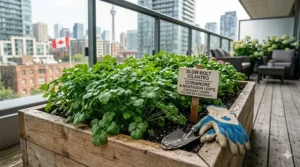
Canadian condo and apartment dwellers can absolutely grow productive cilantro crops in containers—in fact, containers offer several advantages over traditional garden beds for this finicky herb. The key is understanding how container growing modifies cilantro’s requirements.
First, container choice matters enormously. Cilantro develops a taproot 20-30 cm (8-12 inches) long, so your containers must be at least 30 cm (12 inches) deep. Shallow window boxes and standard 6-inch pots won’t cut it—the restricted root space triggers early bolting. Terra cotta pots provide excellent drainage (important since cilantro hates waterlogged soil) but dry out faster than plastic, requiring more frequent watering during Toronto or Vancouver summers. Plastic pots retain moisture better, crucial if you’re away at work for 10 hours during peak heat.
For soil mix, skip regular garden soil which compacts in containers and drains poorly. Use a high-quality potting mix (NOT potting soil—there’s a difference) enriched with compost. The ideal pH is 6.2-6.8, slightly acidic to neutral. Canadian brands like Pro-Mix or Fafard work excellently; avoid mixes heavy with peat moss alone, as pure peat stays too wet and can cause root rot.
Container positioning gives you flexibility impossible in fixed garden beds. In early spring (April-May), place containers in full sun to maximize growth in cool temperatures. As June heat arrives, move them to locations with afternoon shade—a north-facing balcony works brilliantly, or the shaded side of a building. This mobility is your secret weapon against bolting: you’re literally chasing optimal growing conditions as seasons shift.
Watering container cilantro requires daily attention during summer. Check soil moisture by sticking your finger 5 cm (2 inches) deep—if it’s dry, water thoroughly until drainage holes release excess. In July heat on a sunny Calgary or Edmonton balcony, you might need to water twice daily. Self-watering containers with reservoir systems can reduce this burden while maintaining consistent moisture that prevents bolting stress.
Fertilizing is simpler than you’d expect. Cilantro is a short-season crop that doesn’t need heavy feeding—in fact, excess nitrogen promotes leafy growth that bolts faster. Apply a balanced organic fertilizer (5-5-5 or similar) at half the recommended rate when plants are 10-15 cm (4-6 inches) tall, then again 3 weeks later. Skip fertilizing entirely for succession plantings that will only be in the container for 6-8 weeks before harvest and replanting.
For Canadian apartment gardeners who want year-round cilantro, containers can move indoors during fall and winter. Place them in a south-facing window (the brightest possible light) or under LED grow lights providing 12-14 hours of light daily. Indoor temperatures of 15-20°C (59-68°F) work perfectly—warmer than outdoor winter but cooler than most overheated apartments. Growth will be slower than summer outdoor production, but you’ll have fresh cilantro for winter soups and stews when grocery store cilantro costs $4+ per bunch.

FAQ: Your Slow Bolt Cilantro Questions Answered
❓ Can slow bolt cilantro seeds survive Canadian winters in the ground?
❓ How long does it take for slow bolt cilantro to germinate in Canadian spring soil?
❓ Should I buy organic or conventional slow bolt cilantro seeds for my Canadian garden?
❓ Can I grow slow bolt cilantro indoors during Canadian winters?
❓ What's the difference between slow bolt cilantro and Vietnamese cilantro for Canadian gardens?
Why Canadian Gardeners Should Embrace Cilantro’s Dual Purpose
Here’s a perspective shift that can transform your relationship with cilantro’s bolting habit: instead of viewing flowering as failure, recognize that slow bolt cilantro seeds give you two valuable harvests from the same plant—fresh cilantro leaves AND coriander spice seeds.
When your early-season plantings inevitably bolt in late June or July despite slow-bolt genetics, don’t rip them out in frustration. Let them flower and set seed. The white or pale pink umbel flowers are magnets for beneficial insects—parasitic wasps that control aphids, hoverflies that eat pest larvae, and native bees all flock to cilantro blooms. You’re not just growing a failed herb crop; you’re supporting the pollinator population that helps your tomatoes, squash, and cucumbers produce better yields.
As flowers fade, round seed pods develop that start green and turn brown as they ripen. According to the botanical description on Wikipedia, coriander fruits (technically mericarps, not true seeds) contain two fused seeds that, when mature, have a sweet, citrusy, slightly nutty aroma distinct from the fresh leaf flavour. These are coriander—the spice you buy at grocery stores for curries, pickling blends, and baking.
Harvest seed heads when they turn tan-brown but before they shatter naturally—typically late August to early September in most Canadian regions. Cut entire seed stalks, bundle them with rubber bands, and hang upside down in a paper bag in a dry, well-ventilated area. Seeds will drop into the bag as they finish drying over 2-3 weeks. Store dried coriander seeds whole in airtight jars; they’ll remain potent for 2-3 years. Grind fresh as needed for maximum flavour—pre-ground coriander loses its volatile oils within months.
The beauty of this dual-harvest approach is economic: your “failed” cilantro planting that bolted in July becomes a valuable spice crop by September, while successive plantings from June and July provide fresh leaves through fall. You’re getting maximum value from every seed packet rather than viewing bolted plants as wasted space and effort.
For Canadian gardeners in short-season zones (3-4) where coriander seed doesn’t always fully mature before fall frosts, choose large-seeded varieties like McKenzie’s Cilantro Coriander Organic which have shorter maturation periods (100-110 days vs. 115-120 for small-seeded types). Plant specifically for seed harvest in late May, and you’ll have mature coriander by early September even in Winnipeg or Fort McMurray.
The Science Behind Why Bolting Happens (And Why It’s Not Your Fault)
Understanding the biology behind cilantro bolting transforms frustration into informed management. Cilantro (Coriandrum sativum) is native to Mediterranean regions where it evolved under specific climate patterns: cool, moist winters; mild springs; and short summer days. When Canadian gardeners plant cilantro, we’re asking a Mediterranean-adapted plant to thrive in continental conditions it never encountered during its evolutionary history.
Bolting—the rapid transition from vegetative growth (leaves) to reproductive growth (flowers and seeds)—is triggered by specific environmental signals that tell the plant “your growing season is ending; reproduce NOW before you die.” The three primary triggers are:
Photoperiod (Day Length): Cilantro is a long-day plant, meaning it initiates flowering when days exceed 12-14 hours of daylight. In Southern Ontario or BC’s Fraser Valley, this threshold is crossed in mid-May and doesn’t return below it until late August. This is why cilantro planted in June bolts almost immediately—it’s already past the photoperiod trigger point. Slow bolt varieties have been selected for delayed photoperiod response, meaning they can tolerate 14-16 hour days before flowering triggers.
Temperature: Heat stress accelerates bolting independent of day length. When soil temperatures exceed 24°C (75°F) or air temperatures hit 28-30°C (82-86°F) for multiple consecutive days, cilantro interprets this as “summer is here, winter must be coming next, time to seed.” This is particularly problematic in Canadian Prairie gardens where June can bring week-long heat waves with daytime highs of 32-35°C (90-95°F). Slow bolt genetics improve heat tolerance somewhat, but can’t fully override this response.
Root Stress: Any disturbance to cilantro’s taproot—transplanting, root-bound containers, drought stress, waterlogging—triggers a stress response that accelerates bolting. The plant essentially panics: “My root system is compromised; I might die; better reproduce immediately while I still can.” This is why direct-seeded cilantro always outperforms transplanted seedlings in Canadian gardens.
Slow bolt cilantro varieties have been bred to raise the thresholds for these triggers. A standard cilantro might bolt at 13 hours of daylight plus 22°C soil temperature; a slow bolt variety might not respond until 15 hours plus 26°C. That 2-hour, 4-degree buffer translates to 2-3 additional weeks of leaf production—enough to make the difference between frustration and success in Canadian gardens.
What Canadian gardeners need to understand is that even slow bolt genetics can’t eliminate bolting entirely. We’re not changing cilantro’s fundamental biology; we’re buying time. The real success strategy combines slow bolt varieties with succession planting and environmental manipulation (shade, consistent moisture) to extend each planting’s productive window while ensuring new plants are always coming along to replace bolting ones.
Conclusion: Your Canadian Cilantro Success Starts with the Right Seeds
Growing cilantro successfully in Canadian gardens isn’t about fighting against the plant’s biology—it’s about working with it intelligently. Slow bolt cilantro seeds give you the extended harvest window essential for managing this cool-season herb in our challenging continental climate, but they’re just one piece of the puzzle. Combine superior genetics with succession planting, proper site selection, consistent moisture, and realistic expectations, and you’ll transform cilantro from a frustrating failure into a reliable garden staple.
The seven varieties reviewed here represent the best options currently available to Canadian gardeners, from northern prairie zones to coastal BC microclimates. Calypso excels in cold, short-season regions where its compact growth and extreme bolt resistance shine. Santo delivers for organic growers across all zones with its tender, flavourful leaves. Canadian seed companies like Northern Seeds, West Coast Seeds, and Metchosin Farm offer genetics specifically adapted to our photoperiods and temperature ranges—always a safer bet than imported varieties bred for California or Mediterranean conditions.
Remember that even the best slow bolt cilantro seeds won’t eliminate the need for succession planting. Plan for new sowings every 2-3 weeks from late April through mid-July, embrace the dual harvest of leaves and coriander seeds, and view bolting as a natural transition rather than a gardening failure. With this mindset shift and the right seed choices, you’ll have fresh cilantro from early June through October frosts—enough to enjoy fresh all summer and preserve for winter cooking.
The investment in quality slow bolt cilantro seeds pays dividends throughout the growing season. At $8-$15 CAD per packet containing 200-400 seeds, you’re spending roughly $0.03-$0.05 per plant for a herb that grocery stores charge $3-$5 per small bunch. A single successful succession planting system will save you hundreds of dollars annually while providing superior freshness and flavour compared to anything available in supermarkets.
Start your Canadian cilantro journey with seeds specifically selected for our unique growing conditions, commit to understanding the plant’s needs rather than fighting them, and prepare to harvest armfuls of fresh, fragrant cilantro all season long. Your salsas, curries, and garnishes will thank you.
Recommended for You
- 7 Best Perennial Herb Seeds Zone 4 Canada 2026
- Best Basil Seeds for Indoor Growing Canada 2026
- 7 Best Herb Seed Starter Kits for Canadians (2026 Guide)
Disclaimer: This article contains affiliate links. As an Amazon Associate, I earn from qualifying purchases. If you purchase products through these links, we may earn a small commission at no additional cost to you.
✨ Found this helpful? Share it with your friends! 💬🤗
