
In This Article
Growing your own culinary herbs indoors has become more than just a trend across Canada—it’s a practical solution to our unique climate challenges. According to Statistics Canada, roughly 6 in 10 Canadian households grew herbs, vegetables, or flowers in 2021, with 21% of those gardeners cultivating plants indoors due to our notoriously brief outdoor growing season. A herb seed starter kit solves the age-old Canadian problem: how do you enjoy fresh basil, cilantro, and thyme when it’s -20°C outside and your local grocery store charges $4.99 CAD for a tiny plastic clamshell that wilts within days?
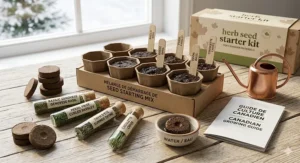
The beauty of a quality herb seed starter kit lies in its simplicity—everything you need arrives in one box, eliminating the guesswork that frustrates beginner gardeners. No more wandering through garden centres wondering which soil works best or whether those ceramic pots have proper drainage. What most Canadian buyers overlook is that indoor herb growing isn’t just about convenience; it’s about control. You decide when to harvest, you know exactly what touches your food (no pesticides, no mystery chemicals), and you save substantial money over time. A $30-40 CAD investment in seeds and supplies can replace hundreds of dollars worth of store-bought herbs throughout the year, especially valuable during Canadian winters when produce prices spike.
Whether you’re a Toronto condo dweller with limited windowsill space, a Vancouver family wanting fresh pizza toppings year-round, or a Halifax home cook tired of paying premium prices for herbs that barely last a week, this guide breaks down the seven best herb seed starter kits available on Amazon.ca in 2026.
Quick Comparison: Top Herb Seed Starter Kits at a Glance
| Kit Name | Herb Varieties | Price Range (CAD) | Best For | Amazon.ca |
|---|---|---|---|---|
| Assortment of 12 Culinary Herb Seeds | 12 varieties (basil, thyme, cilantro, parsley, dill, oregano, more) | $20-$30 | Budget-conscious beginners | Available |
| Oh! Canada Seeds Heirloom Variety Pack | 10 non-GMO varieties | $25-$35 | Canadian-focused growers | Available |
| Organic Herb Seeds Variety Pack | 10-15 organic certified varieties | $25-$40 | Organic-only gardeners | Available |
| HOME GROWN 5-Herb Indoor Kit | 5 essentials (basil, cilantro, mint, parsley, thyme) | $30-$45 | Complete beginners | Limited availability |
| Italian Herb Collection | 5 Italian classics (basil, oregano, rosemary, sage, parsley) | $20-$35 | Mediterranean cooking enthusiasts | Available |
| Garden Republic 4-Herb Starter | 4 culinary herbs with tools | $25-$40 | Gift-givers | Limited availability |
| Meekear 10-Herb Complete Set | 10 varieties with pots & soil | $35-$50 | All-in-one solution seekers | Available |
💬 Just one click — help others make better buying decisions too! 😊
✨ Don’t Miss These Exclusive Deals!
🔍 Take your indoor herb garden to the next level with these carefully selected products. Click on any highlighted item to check current pricing and availability on Amazon.ca. These kits will help you create authentic Mediterranean flavours your family will love!
Top 7 Herb Seed Starter Kits: Expert Analysis for Canadian Growers
1. Assortment of 12 Culinary Herb Seeds – The Canadian Value Champion
This comprehensive collection bundles twelve essential cooking herbs into individually packaged envelopes, making it the most economical entry point for Canadian gardeners who want variety without commitment. Each packet contains parsley, lemon basil, thyme, dill, cilantro, sweet marjoram, oregano, chives, garlic chives, mustard, savory, and sage—enough seeds to plant multiple rounds throughout the year.
What makes this kit particularly clever for Canadian conditions is the abundance of cold-tolerant varieties like parsley, chives, and thyme, which can transition outdoors during our brief summers and come back inside before the first frost. The seed quantity is generous—most packets contain 100-150 seeds, meaning you’re not gambling on a single planting attempt. If your first batch of cilantro bolts early (as it often does in warm kitchens), you have plenty of seeds left to try again with better timing or cooler placement.
Canadian reviewers on Amazon.ca consistently mention the high germination rates, with most herbs sprouting within 7-14 days. One Ontario buyer noted that “all but the garlic chives germinated quickly,” while a BC gardener appreciated having extra seeds to share with neighbours. The only downside is that the packets don’t include pots or soil, so you’ll need to source those separately—but this actually works in your favour if you prefer using your own containers or already have gardening supplies on hand.
Pros:
✅ Exceptional value at $20-$30 CAD for 12 varieties
✅ High seed count per packet allows multiple planting attempts
✅ Includes both common staples and specialty herbs like garlic chives
Cons:
❌ No pots or growing medium included
❌ Garlic chives have slower, less reliable germination
Around $20-$30 CAD, this seed collection offers unbeatable variety-per-dollar, especially if you already own containers and potting soil. Perfect for experimenting with herbs you’ve never grown before without major financial risk.
2. Oh! Canada Seeds Heirloom Herb Variety Pack – Proudly Canadian
This 10-variety collection stands out as one of the few herb seed kits specifically marketed for Canadian growers, featuring bilingual packaging that meets Canadian labelling requirements right out of the box. The selection includes basil, cilantro, dill, parsley, thyme, and five additional varieties sourced and tested for Canadian growing conditions.
What most buyers overlook about this kit is its focus on heirloom genetics rather than hybrid varieties, meaning you can save seeds from your mature plants for future seasons—something particularly valuable for Canadian gardeners dealing with import restrictions and variable seed availability. The company behind Oh! Canada Seeds operates domestically, so shipping times are faster and you avoid cross-border customs delays that plague orders from US sellers.
The seed packets provide detailed growing instructions that reference Canadian hardiness zones rather than USDA zones, a small detail that makes a substantial difference when planning your indoor-to-outdoor transitions. Reviewers from across Canada mention that customer service is responsive and based in Canada, making it easier to get growing advice specific to our climate. The main limitation is that availability can be sporadic on Amazon.ca, likely because this is a smaller Canadian operation with limited production capacity compared to major international seed companies.
Pros:
✅ Designed specifically for Canadian growing conditions and climate
✅ Heirloom varieties allow seed-saving for future seasons
✅ Bilingual packaging meets Canadian regulatory requirements
Cons:
❌ Sometimes out of stock on Amazon.ca
❌ Smaller selection (10 varieties) compared to budget competitors
In the $25-$35 CAD range, this kit justifies its slightly higher cost through Canadian-specific service and heirloom genetics that provide long-term value if you commit to seed-saving.
3. Organic Herb Seeds Variety Pack – For Health-Conscious Canadian Kitchens
If you’re committed to organic growing—and Canadian regulations around organic certification are stricter than many realize—this certified organic collection delivers 10-15 varieties depending on the specific product listing you find on Amazon.ca. Expect to find basil, cilantro, oregano, thyme, parsley, and additional Mediterranean staples, all grown without synthetic pesticides or GMO modification.
The certification matters more than casual growers might think. In Canada, the term “organic” on seed packaging must comply with Canadian Food Inspection Agency standards, meaning third-party verification that the parent plants were grown organically. This kit meets those requirements, which is particularly relevant for Canadian gardeners who want to maintain organic status if they eventually transplant herbs outdoors into OMRI-certified garden beds.
Performance-wise, organic seeds germinate slightly slower than conventionally grown seeds (expect 10-16 days versus 7-10 days), but Canadian reviewers report more vigorous plants once established. The trade-off is worth it for anyone concerned about pesticide residues in their food chain. One challenge with organic herb growing in Canadian winters is managing humidity without fungicides—organic basil is particularly susceptible to downy mildew in the low-light, high-humidity conditions common in heated Canadian homes. Improve air circulation with a small fan and avoid overwatering to prevent issues.
Pros:
✅ CFIA-compliant organic certification for peace of mind
✅ Non-GMO varieties suited for sustainable gardening
✅ Supports organic gardening practices indoors and outdoors
Cons:
❌ Slower germination compared to conventional seeds
❌ More susceptible to fungal issues without chemical intervention
Priced around $25-$40 CAD, the organic premium is justified for gardeners committed to chemical-free growing, though beginners might find conventional seeds more forgiving.
4. HOME GROWN 5-Herb Indoor Garden Kit – The Beginner’s Complete Package
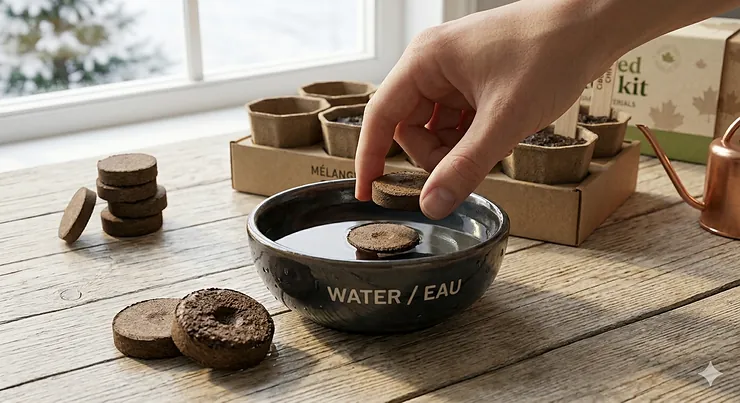
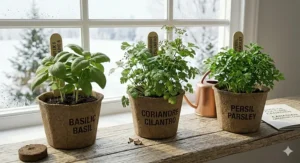
This all-inclusive kit bundles five essential culinary herbs (basil, cilantro, mint, parsley, and thyme) with biodegradable pots, compressed soil disks, plant markers, and trimming shears—everything a complete beginner needs except water and sunlight. It’s designed specifically for indoor countertop or windowsill growing, making it ideal for Canadian apartment dwellers who can’t access outdoor space.
The real genius here is the compressed coir soil disks, which expand when watered and eliminate the mess of traditional potting soil in your kitchen. For Toronto or Vancouver condo owners, this is a game-changer—no soil bags cluttering your entry closet, no spills across your countertop. The biodegradable pots can eventually go straight into larger outdoor containers come spring, roots and all, minimizing transplant shock.
However, Canadian availability is inconsistent on Amazon.ca, as this appears to be primarily distributed through Amazon.com. When it is available, expect to pay shipping fees or wait for Prime-eligible stock to replenish. Some Canadian reviewers note that the mint variety included can be invasive if later transplanted outdoors—it spreads aggressively through underground runners. Keep mint confined to containers even outdoors, or it’ll take over your garden bed faster than you can say “mojito season.”
Pros:
✅ Truly complete kit requiring no additional purchases
✅ Compressed soil disks minimize mess for indoor growing
✅ Biodegradable pots allow easy outdoor transplanting in spring
Cons:
❌ Availability on Amazon.ca is limited and inconsistent
❌ Mint variety can become invasive if not containerized
When available around $30-$45 CAD, this kit removes all barriers for absolute beginners, though sporadic stock means you might need to set a price alert.
5. Italian Herb Seed Collection – For Authentic Mediterranean Cooking
Pizza lovers and pesto enthusiasts, this one’s for you. This specialized collection focuses exclusively on the five herbs that define Italian cuisine: Genovese basil, Italian oregano, rosemary, sage, and Italian flat-leaf parsley. It’s a targeted approach rather than a scattershot variety pack, perfect for Canadian home cooks who want to replicate authentic Italian flavours without growing herbs they’ll never actually use.
The Genovese basil included here is the real deal—the same cultivar used for PDO-certified Ligurian pesto, characterized by small, bubble-like convex leaves and a sweet flavour profile without the minty undertones common in other basil varieties. According to Wikipedia, authentic Genovese basil contains high concentrations of linalool and minimal eucalyptol, giving it that signature sweet, slightly spicy taste that transforms simple tomato sauce into something restaurant-worthy. Most Canadian grocery stores sell generic “Italian basil” that doesn’t compare.
Rosemary presents the biggest challenge for Canadian indoor growers in this collection—it’s notoriously difficult to start from seed, with germination rates around 30-50% even under ideal conditions. The seeds are microscopic and require patience. Many experienced gardeners recommend starting rosemary from cuttings instead, but if you’re committed to the full seed-starting experience, plant generously and don’t get discouraged if some packets fail. The other four varieties germinate reliably within 10-14 days.
Pros:
✅ Targeted selection perfect for Italian cooking enthusiasts
✅ Genovese basil variety delivers authentic pesto-quality flavour
✅ Focused variety means you’ll actually use everything you grow
Cons:
❌ Rosemary seeds have low, unpredictable germination rates
❌ Missing other popular culinary herbs like cilantro or dill
Priced in the $20-$35 CAD range, this kit makes sense for anyone whose cooking revolves around Mediterranean recipes, though rosemary might frustrate beginners.
6. Garden Republic 4-Herb Starter Kit with Growing Guide – The Gift-Ready Option
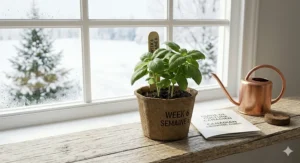
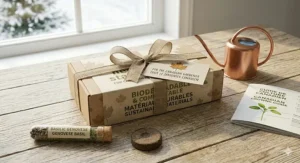
Packaged in attractive, giftable presentation boxes, this 4-herb kit includes basil, thyme, parsley, and cilantro along with reusable burlap grow bags, wooden plant markers, compressed soil disks, and premium trimming shears. It’s positioned as a premium gift item rather than purely functional gardening supplies, which explains the higher price point relative to seed-only collections.
What justifies the cost for Canadian gift-givers is the growing guide included—a 64-page illustrated booklet covering everything from germination to harvest, written specifically for beginners. For someone receiving their first herb garden as a housewarming gift, this guide prevents the common mistakes that kill 80% of beginner herb gardens within the first month (overwatering being the top culprit). The burlap grow bags have drainage holes pre-installed and look considerably more attractive on a kitchen windowsill than plastic nursery pots.
Canadian availability fluctuates, and shipping from US-based sellers can add $10-15 CAD to the final cost. Some buyers report that the scissors included, while attractive, aren’t as sharp or durable as dedicated herb snips from garden supply stores. Still, for gift-giving occasions—Mother’s Day, housewarmings, birthdays for the cooking-obsessed friend—the presentation and completeness justify the premium.
Pros:
✅ Beautiful presentation ideal for gift-giving occasions
✅ Comprehensive 64-page growing guide for absolute beginners
✅ Reusable burlap bags look elegant on kitchen counters
Cons:
❌ Higher price point than comparable functionality justifies
❌ Limited Canadian availability increases shipping costs
Around $25-$40 CAD plus potential shipping, this kit works best as a thoughtful gift rather than a purely economical growing solution for yourself.
7. Meekear 10-Herb Complete Indoor Garden Set – Maximum Variety, Maximum Convenience
This ambitious kit bundles ten different herb varieties (chamomile, basil, parsley, rosemary, thyme, lavender, chives, cilantro, sage, and dill) with ten self-watering plastic pots, drip trays, compressed soil disks, plant markers, watering bottle, and herb clipper. It’s the most comprehensive single-purchase solution available on Amazon.ca, designed for someone who wants to establish a serious indoor herb garden without making multiple trips to garden centers.
The self-watering pots are the standout feature here, addressing the number-one killer of indoor herbs for Canadian growers: inconsistent watering. These pots have a reservoir system that allows plants to draw water as needed, reducing the risk of both overwatering and drought stress. This is particularly valuable during Canadian winters when heated indoor air rapidly dries out soil, requiring daily attention that busy households can’t always provide.
The variety selection includes some unusual additions like chamomile and lavender, which are technically herbs but serve different purposes than culinary staples. Chamomile makes excellent relaxing tea, while lavender is primarily ornamental and aromatherapy-focused—neither see much use in everyday cooking. This might frustrate buyers who want strictly culinary herbs and find themselves dedicating precious windowsill space to decorative plants. Canadian buyers should also note that lavender requires exceptionally bright light and low humidity, conditions difficult to maintain in most Canadian homes during winter.
Pros:
✅ Most comprehensive all-in-one solution available on Amazon.ca
✅ Self-watering pots reduce daily maintenance requirements
✅ Includes both common culinary and specialty wellness herbs
Cons:
❌ Some varieties (lavender, chamomile) are less practical for cooking
❌ Higher upfront cost at $35-$50 CAD
In the $35-$50 CAD range, this kit makes sense for serious indoor gardeners ready to commit windowsill real estate to a full herb garden, though strictly culinary-focused buyers might prefer a more targeted selection.
Setting Up Your Herb Garden for Canadian Winter Success
The real test of any herb seed starter kit isn’t what’s in the box—it’s what you do with it once those seedlings emerge. Canadian indoor herb growing presents unique challenges that sunny California windowsill guides completely ignore, starting with our dramatically reduced winter daylight hours. Here’s what you actually need to know to keep herbs thriving from October through April.
Light Requirements: The Canadian Winter Challenge
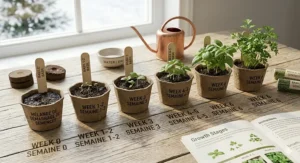
Most culinary herbs demand 6-8 hours of direct sunlight daily, but in December and January, cities like Edmonton get barely 7.5 hours of total daylight, much of it weak and low-angle. A south-facing window helps, but often isn’t enough. Consider supplementing with a basic LED grow light (around $25-$40 CAD on Amazon.ca) positioned 15-30 cm above your seedlings. Run it 12-14 hours daily to compensate for weak winter sun. Basil, in particular, shows dramatic improvement under supplemental lighting—fuller leaves, stronger flavour, and significantly reduced stretching toward the window.
Humidity and Heating: The Double-Edged Sword
Canadian forced-air heating creates desert-like conditions indoors, typically dropping humidity to 15-25% when herbs prefer 40-60%. This causes leaf-tip browning and increases susceptibility to spider mites. Group pots together to create a microclimate, or place them on trays filled with pebbles and water (ensuring pots don’t sit directly in water). Avoid placing herbs directly above heating vents or radiators—the temperature fluctuations stress plants and dry out soil catastrophically fast.
Watering Strategy: Less Is More
Overwatering kills more indoor herbs than all other factors combined. The compressed soil disks included in many kits dry out faster than traditional potting soil, requiring checks every 2-3 days rather than weekly. Stick your finger 2 cm into the soil; water only when it feels dry at that depth. In heated Canadian homes, this might mean watering every other day in January but only twice weekly in milder October. Basil wilts dramatically when thirsty but bounces back quickly—use it as your indicator plant.
Real-World Scenarios: Matching Kits to Canadian Lifestyles
Choosing the right herb seed starter kit depends less on which herbs you want and more on your specific living situation and cooking habits. Here are three common Canadian scenarios with targeted recommendations based on practical constraints most guides ignore.
The Toronto Condo Dweller (Limited Space, Serious Cooking)
Challenge: Only one south-facing windowsill measuring 90 cm wide, intense desire for fresh herbs year-round, budget-conscious but willing to invest in quality.
Recommended Kit: Italian Herb Seed Collection ($20-$35 CAD)
Why It Works: Focus on five high-impact herbs means you’re not wasting windowsill real estate on varieties you rarely use. Basil, oregano, and parsley deliver maximum flavour impact for pizza, pasta, and salads—the recipes most condo dwellers actually make weekly. Skip the 12-variety mega-packs; you don’t have space for novelty herbs like summer savory. Pair this with 12 cm diameter pots (five fit comfortably on a 90 cm sill) and a compact LED grow light for winter supplementation. Total investment: under $75 CAD for a year-round supply that would cost $400+ buying fresh herbs at Metro or Loblaws.
The Suburban Calgary Family (Outdoor Space in Summer, Brutal Winters)
Challenge: Want herbs for summer grilling and winter cooking, have yard space May-September but face -20°C winters, three kids means herbs need to be genuinely easy.
Recommended Kit: Oh! Canada Seeds Heirloom Variety Pack ($25-$35 CAD)
Why It Works: Heirloom genetics mean you can save seeds from summer outdoor plants to start new crops indoors each fall, creating a self-sustaining cycle. Plant parsley, thyme, chives, and oregano outdoors in late May, harvest aggressively all summer, then bring potted plants indoors before the first September frost. Meanwhile, keep basil and cilantro (which struggle in Calgary’s intense summer sun) exclusively indoors under controlled conditions. The Canadian-specific growing guides acknowledge Alberta’s unique climate challenges, unlike generic seed packets that assume everyone lives in Zone 7.
The Halifax Apartment Cook (Modest Budget, Maximum Fresh Flavour)
Challenge: North-facing windows only, limited natural light even in summer, cooking for one, can’t justify $50 on hobby gardening.
Recommended Kit: Assortment of 12 Culinary Herb Seeds ($20-$30 CAD) + Budget Grow Light ($25 CAD)
Why It Works: The 12-variety pack gives you experimental freedom at minimal cost—if cilantro fails in your low-light conditions, you’ve lost $2 worth of seeds, not $15 on a complete kit. Start with shade-tolerant varieties first (parsley, chives, mint) while you learn your apartment’s quirks. The abundance of seeds means you can succession-plant—start new batches every 3-4 weeks for continuous harvest rather than boom-and-bust cycles. Pair seed-only kits with repurposed yogurt containers or takeout containers with drainage holes drilled in the bottom (free) and dollar-store potting soil. A basic LED grow light transforms your north-facing situation from impossible to highly productive for under $50 CAD total.
Common Mistakes Canadian Herb Growers Make (And How to Avoid Them)
After reviewing hundreds of Canadian customer experiences on Amazon.ca and gardening forums, several patterns emerge in why herb seed starter kits fail to deliver results. These mistakes are preventable with awareness and small adjustments to conventional advice.
Mistake #1: Treating All Herbs Identically
The biggest pitfall is assuming the same care routine works for every herb in your starter kit. Basil demands consistent moisture and warmth (18-24°C), while rosemary and thyme prefer drier conditions and cooler temperatures (15-20°C). Grouping them together in identical pots with the same watering schedule guarantees suboptimal results for at least half your plants. Instead, cluster moisture-loving herbs (basil, cilantro, parsley) in one area where you water every 2-3 days, and separate Mediterranean herbs (rosemary, thyme, oregano) into a drier zone watered weekly. This simple spatial separation dramatically improves success rates.
Mistake #2: Ignoring Canadian Climate Adaptation Periods
Many kits include instructions written for USDA hardiness zones and temperate US climates, not Canadian realities. When guides say “plant outdoors after last frost,” they don’t account for Canadian spring’s notorious false starts—those deceptive warm weeks in April followed by surprise May snowstorms (looking at you, Calgary and Winnipeg). Canadian growers should wait until nighttime temperatures consistently stay above 10°C for at least one full week before trusting tender herbs outdoors. That typically means late May or early June across most of Canada, not the April dates mentioned in generic instructions.
Mistake #3: Assuming Winter Survival Equals Summer Growth Rates
Canadian indoor winter herb growing is fundamentally different from summer growing, yet many beginners expect identical results year-round. Reduced daylight hours and weaker sun intensity mean herbs grow 50-70% slower November through February compared to June. Don’t panic when your winter basil takes 6 weeks to reach harvestable size versus 3 weeks in summer. Adjust expectations and avoid over-fertilizing in futile attempts to force faster growth—this creates leggy, weak plants. Accept slower winter growth as normal, harvest conservatively, and celebrate any fresh herbs as a victory over February’s frozen grocery store selection.
Mistake #4: Starting Too Many Varieties Simultaneously
The 12-variety seed packs create dangerous temptation for beginners who enthusiastically plant all twelve herbs at once, then get overwhelmed managing twelve different watering schedules, germination timeframes, and growth patterns while learning fundamentals. Start with three herbs maximum—choose one easy (parsley), one moderate (basil), and one challenging (rosemary) to build skills progressively. Once those three are thriving, expand gradually. This incremental approach prevents the discouragement that comes from watching eight of twelve herb varieties struggle while you’re still learning the basics.
How to Choose the Right Herb Seed Starter Kit for Canadian Conditions
Choosing a herb seed starter kit requires looking beyond marketing promises to evaluate practical compatibility with your specific situation. Here are the decision-making criteria that actually matter for Canadian growers, ranked by importance.
Priority #1: Match Kit Completeness to Your Existing Supplies
If you already own containers, potting soil, and basic gardening tools from summer vegetable gardening, seed-only collections like the 12 Culinary Herb Seeds collection ($20-$30 CAD) offer the best value. You’re paying for genetics, not redundant supplies. Conversely, if this is your first-ever gardening experience and you own precisely zero horticultural equipment, all-inclusive kits like Meekear 10-Herb Complete Set ($35-$50 CAD) prevent the paralysis of analyzing pot sizes, soil types, and drainage requirements. The extra $15-20 CAD saves hours of research and multiple trips to garden centres.
Priority #2: Evaluate Variety Selection Against Actual Cooking Habits
Be brutally honest about which herbs you’ll genuinely use multiple times weekly versus aspirational herbs that sound interesting but don’t appear in your regular recipes. If you make Italian food twice monthly, the Italian Herb Collection makes sense. If you cook Thai, Vietnamese, and Mexican food, look for kits with cilantro, Thai basil (when available), and multiple mint varieties. Don’t let a kit’s impressive variety count seduce you into growing summer savory, marjoram, or other specialty herbs that 90% of home cooks use once per year, if that.
Priority #3: Consider Canadian Shipping and Availability
Many “best herb starter kit” lists recommend products primarily available on Amazon.com that ship to Canada with hefty fees and glacial delivery times. Stick to kits showing “In Stock” status on Amazon.ca with Prime eligibility when possible. During peak spring gardening season (March-May), popular kits sell out fast as Canadian demand spikes. If you find a kit you want in stock at a reasonable price, order immediately rather than debating—availability can vanish overnight and take weeks to replenish.
Priority #4: Assess Long-Term Seed-Saving Potential
Heirloom varieties like those in Oh! Canada Seeds allow seed-saving from mature plants, creating ongoing value beyond the initial purchase. Hybrid seeds (found in most commercial kits) either produce no viable seeds or seeds that don’t grow true to the parent plant’s characteristics. For Canadian growers dealing with import limitations and the cost barrier of shipping seeds across borders, heirloom genetics provide insurance against future supply disruptions. This consideration matters most for serious gardeners planning multi-year herb cultivation, less so for casual experimenters.
Priority #5: Factor in Canadian Seasonal Timing
Purchasing a herb seed starter kit in November for immediate planting means committing to supplemental grow lights and accepting slower growth through weak winter sun. Buying the same kit in March allows you to start seeds indoors with strengthening daylight, then transition plants outdoors by late May for explosive summer growth. Spring purchases (March-April) maximize success rates and minimize additional equipment costs, making them ideal timing for Canadian beginners. Winter purchases make sense only if you’re prepared for the indoor growing learning curve or are buying ahead for spring planting.
Understanding Herb Seed Quality and Germination Rates
Not all seeds are created equal, and Canadian buyers should understand what separates premium seeds from budget options beyond price tags and marketing claims. The difference between 80% germination and 40% germination isn’t just double your success rate—it’s the difference between frustration and satisfaction.
What Germination Rate Actually Means
When a seed packet claims “90% germination rate,” that percentage comes from laboratory testing under optimal conditions: perfect temperature, ideal moisture, optimal timing, and expert handling. In your kitchen, expect real-world results 10-20 percentage points lower. A premium seed with 90% lab germination might give you 70-75% success at home, while budget seeds rated at 70% might deliver only 50% in practice. For herbs like rosemary with naturally low germination (30-50% even from quality sources), the gap between premium and budget seeds becomes stark.
Non-GMO and Organic Certifications in Canada
Canadian regulations around seed labelling differ from US standards. In Canada, “non-GMO” on herb seeds is essentially meaningless marketing—commercial GMO varieties don’t exist for common culinary herbs. No one has genetically modified basil or cilantro, so every seed is non-GMO by default. “Organic,” however, carries legal weight under Canadian Food Inspection Agency oversight, requiring certified organic parent plants and third-party verification. The organic premium (typically 20-30% higher cost) buys you assurance about production methods but doesn’t guarantee better germination or stronger plants—just different growing conditions for the parent plants.
Storage and Viability Timeline
Seed viability degrades over time, particularly under poor storage conditions. Basil, cilantro, and dill seeds maintain strong germination for 3-4 years if stored properly (cool, dark, dry), while parsley and chives decline faster, often showing significant degradation after just 1-2 years. Canadian buyers should check packaging dates when available and store unused seeds in airtight containers in the refrigerator to maximize longevity. That $25 CAD seed collection becomes better value when you realize you can successfully plant seeds from the same packets for 2-3 years rather than repurchasing annually.

❓ Frequently Asked Questions About Herb Seed Starter Kits in Canada
❓ Can I grow herb seed starter kits year-round in Canada with only natural light?
❓ Do herb seed starter kits sold on Amazon.ca work in Canadian winters without heating mats?
❓ How long do herb seeds from starter kits remain viable in Canadian climate conditions?
❓ Are organic herb seed starter kits worth the premium for Canadian indoor growing?
❓ Which herbs from starter kits can survive Canadian winters outdoors?
Conclusion: Fresh Herbs Within Reach, Even in February
The best herb seed starter kit for your Canadian kitchen isn’t the one with the most varieties or the fanciest packaging—it’s the one that matches your cooking habits, fits your available space, and arrives quickly from Amazon.ca without punishing cross-border shipping fees. Whether you choose the budget-friendly 12 Culinary Herb Seeds collection for maximum experimentation or the focused Italian Herb Collection for Mediterranean cooking mastery, the ROI calculation is simple: one season of indoor herb growing replaces hundreds of dollars worth of overpriced, wilted grocery store herbs while delivering superior flavour exactly when you need it.
Canadian indoor herb growing demands small adjustments to conventional advice—supplemental lighting for weak winter sun, humidity management for forced-air heating, and realistic expectations about slower winter growth rates—but none of these obstacles are insurmountable. The real barrier isn’t technical expertise; it’s the initial decision to stop accepting mediocre store-bought herbs and commit to growing your own. Start modest with three varieties, learn your apartment’s microclimates, and expand as confidence builds. By next winter, when your neighbours are paying $5.99 CAD for plastic-wrapped basil that turns brown within days, you’ll be harvesting vibrant leaves from your kitchen windowsill, wondering why you didn’t start years ago.
Canadian data from Statistics Canada confirms what herb gardeners already know: growing your own food, even just a windowsill herb garden, provides benefits beyond cost savings. It connects you to seasonal rhythms despite our climate extremes, offers immediate sensory satisfaction in the depths of February’s cabin fever, and transforms routine cooking into something more intentional. Fresh basil torn directly into pasta sauce isn’t just better-tasting than dried—it’s a small act of defiance against Canadian winter’s attempt to disconnect us from growing things entirely.
Recommended for You
- 7 Best Carrot Seeds for Clay Soil in Canada (2026 Guide)
- 7 Best Vegetable Seed Starter Kit Canada Beginners 2026
- 7 Best Cucumber Seeds for Containers Canada 2026
Disclaimer: This article contains affiliate links. As an Amazon Associate, I earn from qualifying purchases. If you purchase products through these links, we may earn a small commission at no additional cost to you.
✨ Found this helpful? Share it with your friends! 💬🤗
