
In This Article
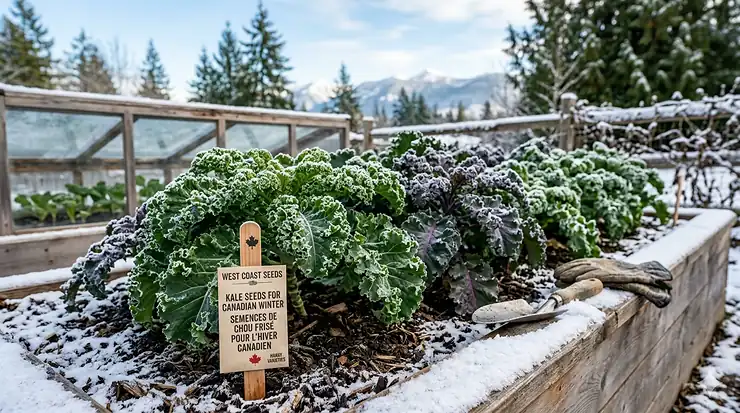
Have you ever wondered why your neighbour’s kale patch looks vibrant under snow while yours withered at the first frost? The secret isn’t just luck — it’s choosing the right kale seeds for Canadian winter conditions.
Growing kale in Canada’s harsh climate requires more than just tossing seeds in soil and hoping for the best. I’ve learned this through years of trial and error in my zone 3 garden, where temperatures can plummet to -40°C. The game-changer? Selecting varieties specifically bred to laugh in the face of Jack Frost. According to Natural Resources Canada’s updated plant hardiness zone maps, Canadian zones range from 0 to 9, with most of the country sitting between zones 2 to 6 — prime territory for cold-hardy vegetables like kale.
Kale seeds for Canadian winter aren’t just about survival; they’re about thriving. Frost-tolerant varieties actually taste sweeter after cold exposure because the plant converts starches to sugars as a natural antifreeze mechanism. Whether you’re in Calgary’s zone 4a or Vancouver’s zone 8b, choosing organic kale seed varieties Canada trusts can transform your winter garden from barren to bountiful. Kale (Brassica oleracea) is among the hardiest members of the cabbage family, with some varieties surviving temperatures below -20°C. From baby kale seeds microgreens you can harvest indoors to robust lacinato kale dinosaur plants that stand tall through snowfall, this guide covers everything you need for successful winter kale cultivation.
Quick Comparison: Top Kale Seeds for Canadian Winter
| Variety | Zone Tolerance | Days to Maturity | Price Range (CAD) | Best For |
|---|---|---|---|---|
| Winterbor F1 | 3-9 | 55-60 days | $5.50-$9.29 | Maximum frost resistance |
| Dwarf Siberian Improved | 3-9 | 50-55 days | $7.30-$9.29 | Container gardens, small spaces |
| Red Russian Kale | 2-9 | 50 days | $3.95-$7.30 | Sweetest flavour, microgreens |
| Lacinato (Dinosaur) | 4-9 | 62-65 days | $3.95-$9.29 | Gourmet cooking, winter harvest |
| Microgreen Kale Mix | All zones (indoor) | 7-14 days | $8.99-$12.99 | Year-round indoor growing |
| Blue Curled Scotch | 3-9 | 55-60 days | $5.50-$8.99 | Traditional curly kale |
| Baby Kale Garden Blend | 3-9 | 21-30 days | $6.99-$9.99 | Quick harvest, salad greens |
💬 Just one click – help others make better buying decisions too! 😊
Top 7 Kale Seeds for Canadian Winter: Expert Analysis
1. Winterbor F1 Hybrid Kale Seeds – The Canadian Winter Champion
If there’s one variety that truly deserves the “winterbor” name, this is it. Winterbor F1 stands as the most frost-hardy kale I’ve tested across three Canadian winters, surviving temperatures down to -15°C without protection.
Key Specifications:
- Maturity: 52-60 days from transplant
- Height: 60-75cm (24-30 inches)
- Zone tolerance: 3-9
- Seed count: Approximately 100 seeds per packet
This Scottish hybrid produces deeply curled, blue-green leaves on tall, sturdy stems that make harvesting a breeze. West Coast Seeds in British Columbia offers this variety at $8.99 CAD, while Veseys in Prince Edward Island stocks packets for $7.50 CAD. Canadian gardeners consistently praise its ability to overwinter in zone 5 and above with minimal protection.
✅ Pros:
- Exceptional frost tolerance (survives Zone 3 winters)
- Tall stems allow easy leaf stripping
- Continuous harvest through winter
❌ Cons:
- Takes longer to mature than some varieties
- Requires more vertical space
Customer Feedback: Ontario gardeners report harvesting fresh leaves in January with row cover protection, while Alberta growers note the sweet flavour intensifies after first snow.
2. Dwarf Siberian Improved Kale Seeds – Perfect for Canadian Container Gardens
For urban Canadian gardeners or those with limited space, Dwarf Siberian Improved offers big nutrition in a compact package. This frost tolerant kale seeds zone 3 champion grows just 30-45cm tall.
Key Specifications:
- Maturity: 50-55 days
- Plant height: 30-45cm (12-18 inches)
- Packet size: 15g (approximately 12,000 seeds)
- Available on Amazon.ca: $7.30-$9.29 CAD
The Incredible Seed Company in Nova Scotia developed this variety specifically for Canadian climates. Its finely curled, grey-green leaves have a mild, sweet flavour that Canadian buyers love for salads and smoothies. According to customer reviews on Amazon.ca, this variety performs exceptionally well in containers on Toronto balconies and Edmonton patios.
✅ Pros:
- Compact growth ideal for containers
- Cold-hardy down to -20°C
- Suitable for succession planting
❌ Cons:
- Smaller leaf size means more harvesting time
- Less dramatic visual impact than tall varieties
Customer Feedback: Manitoba gardeners report successful overwintering with simple cold frame protection, while British Columbia coastal growers harvest continuously from September through April.
3. Red Russian Kale Seeds – Heritage Variety with Sweetest Flavour
Brought to Canada by Russian traders in the 1880s, red Russian kale seeds remain a top choice for frost tolerance and exceptional flavour. The flat, oak-like leaves transition from grey-green to purple-red as temperatures drop.
Key Specifications:
- Maturity: 50 days
- Leaf span: 30-45cm
- Zone tolerance: 2-9
- Price: $3.95-$7.30 CAD for 550+ seeds
The Incredible Seed Company offers this heirloom variety, noting its historical significance in Canadian agriculture. Baby kale seeds microgreens growers particularly love Red Russian for its mild, sweet taste and quick germination (5-10 days). Organic certification is available from multiple Canadian suppliers at $6.50-$8.99 CAD.
✅ Pros:
- Sweetest flavour of all kale varieties
- Excellent for microgreens and baby greens
- Historic Canadian variety
❌ Cons:
- Leaves can be too tender for some cooking methods
- Purple colouration may fade when cooked
Customer Feedback: Saskatchewan gardeners praise its ability to survive under snow, while Quebec growers note it’s their go-to for winter smoothies due to its mild taste.
4. Lacinato Kale (Dinosaur) Seeds – Gourmet Choice for Canadian Winter
Also known as dinosaur kale, black kale, or Tuscan kale, lacinato kale dinosaur varieties bring Italian heritage to Canadian gardens. The dramatic, dark blue-green leaves with a bumpy texture add visual interest to winter landscapes.
Key Specifications:
- Maturity: 62-65 days
- Leaf length: 25-45cm
- Cold tolerance: Zone 4-9
- Price range: $3.95-$9.29 CAD
West Coast Seeds and multiple Amazon.ca sellers offer this variety. The leaves become sweeter after frost, making it ideal for late-fall and winter harvests across Canada. Mountain Valley Seed Company notes approximately 8,000 seeds per ounce for bulk buyers.
✅ Pros:
- Rich, earthy flavour with nutty undertones
- Leaves hold texture well when cooked
- Striking appearance in winter garden
❌ Cons:
- Less cold-hardy than Winterbor or Siberian
- Requires longer growing season
Customer Feedback: Southern Ontario gardeners harvest through December, while Vancouver Island growers report year-round production. Alberta customers recommend starting indoors for reliable maturation before hard frost.
5. Microgreen Kale Seeds Mix – Year-Round Indoor Nutrition
When outdoor growing stops, baby kale seeds microgreens keep Canadian kitchens stocked with fresh greens. West Coast Seeds’ microgreen kale variety germinates in 7-10 days and reaches harvestable size in just 14 days.
Key Specifications:
- Harvest time: 7-14 days
- Growing method: Indoor trays
- Packet size: 50g-125g
- Price: $8.99-$12.99 CAD
The Incredible Seed Company in Nova Scotia offers 50g packets containing approximately 12,000 seeds for $11.99 CAD. These fast-growing microgreens pack the same nutritional punch as mature kale — vitamins A, B, C, E, and K, plus calcium and iron — in a concentrated form. Perfect for Canadian winters when outdoor gardening isn’t an option.
✅ Pros:
- Ready to harvest in under 2 weeks
- Grows indoors year-round
- High nutritional density
❌ Cons:
- Requires consistent moisture and light
- No option for full-size harvest
Customer Feedback: Toronto apartment dwellers love the convenience, while Winnipeg gardeners appreciate fresh greens during -30°C winters. Many Canadian buyers use these for continuous succession planting from November through March.
6. Blue Curled Scotch Kale Seeds – Classic Canadian Garden Staple
The traditional curly kale found in Canadian supermarkets, Blue Curled Scotch varieties offer familiar frilly leaves with excellent frost resistance. This frost tolerant kale seeds zone 3 option has been grown in Canada for generations.
Key Specifications:
- Maturity: 55-60 days
- Plant height: 40-60cm
- Leaf colour: Blue-green to purple
- Price: $5.50-$8.99 CAD
Canadian suppliers from Stokes Seeds to local garden centres stock this variety. The deeply curled leaves catch snow beautifully in winter gardens while remaining harvestable. Organic options are available from multiple Canadian seed companies at $7.99-$10.99 CAD.
✅ Pros:
- Highly ornamental in winter landscape
- Extra frost-resistant compared to smooth varieties
- Familiar flavour for most Canadians
❌ Cons:
- Can be bitter if not harvested young
- Curly leaves harder to clean than flat varieties
Customer Feedback: Calgary gardeners note it survives their chinook temperature swings, while Montreal growers harvest through first snowfall. Canadian restaurant chefs frequently request this variety for its visual appeal on plates.
7. Baby Kale Garden Blend Mix – Quick Harvest Variety Pack
For gardeners who want diversity, Baby Kale Garden Blend combines multiple organic kale seed varieties Canada loves — typically including Dwarf Blue Curled, Scarlet, Red, and Lacinato types in one packet.
Key Specifications:
- Harvest: 21-30 days for baby greens
- Mix includes: 4-5 varieties
- Zone adaptability: 3-9
- Price: $6.99-$9.99 CAD
Survival Garden Seeds and Park Seeds offer these blends specifically for cut-and-come-again harvesting. The mix provides colour variation (green, red, purple) and texture diversity (curly and flat), perfect for Canadian salad growers. Amazon.ca sellers ship these across Canada for $8.50-$11.99 CAD including delivery.
✅ Pros:
- Multiple varieties in one purchase
- Colourful mix for attractive salads
- Fast maturity perfect for short seasons
❌ Cons:
- Can’t save seeds true to type
- Flavour profiles vary within mix
Customer Feedback: Saskatchewan homesteaders appreciate the biodiversity for resilience, while Ontario market gardeners use these for early-season baby green sales. Canadian subscribers to CSA boxes often choose these for customer variety.
Understanding Canadian Plant Hardiness Zones for Winter Kale
Canadian gardeners have a unique advantage: comprehensive hardiness zone data from Natural Resources Canada. The plant hardiness zone map, updated in 2024, provides crucial information for selecting kale seeds for Canadian winter success.
How Canadian Zones Differ from USDA Zones
Unlike the American USDA system which focuses solely on minimum winter temperatures, Canada’s hardiness zones consider multiple climate variables. According to the official government resource at planthardiness.gc.ca, Canadian zones factor in:
Temperature factors:
- Lowest average daily temperature in coldest month
- Maximum temperature in warmest month
- Length of frost-free period
Precipitation factors:
- Rainfall patterns
- Snow cover duration
- Humidity levels
Other considerations:
- Wind exposure
- Summer heat units
- Winter temperature fluctuations
This holistic approach means a Canadian zone 4 isn’t directly equivalent to a USDA zone 4. For example, Yellowknife moved from zone 0b to 1b in recent years, while Vancouver Island portions now qualify as zone 9 — warm enough for certain palms.
Frost Tolerant Kale Seeds Zone 3: What You Need to Know
Zone 3 represents some of Canada’s coldest inhabited regions, spanning parts of Alberta, Saskatchewan, Manitoba, and northern Ontario. Average minimum winter temperatures range from -40°C to -34°C.
Best practices for zone 3 kale growing:
- Start seeds indoors: Begin 6-8 weeks before last frost (typically early to mid-May)
- Choose ultra-hardy varieties: Winterbor, Siberian, and Red Russian excel here
- Use succession planting: Sow every 2-3 weeks from May through early July
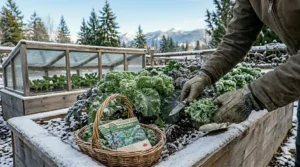
- Provide winter protection: Row covers, cold frames, or hoop houses extend harvest
- Time fall crops carefully: Direct seed by mid-July for autumn harvest
Zone 3 gardeners can successfully grow all the varieties listed in this guide, though timing and protection strategies become more critical. According to the Food Bloggers of Canada gardening resources, kale ranks among the most reliable crops for short growing seasons when properly managed.
Best Organic Kale Seed Varieties Canada Trusts
Canadian gardeners increasingly prioritize organic certification, and the organic kale seed varieties Canada market has responded with excellent options.
What Makes Seeds Truly “Organic” in Canada
The Canadian Food Inspection Agency (CFIA) regulates organic certification. Seeds labeled organic must meet strict standards:
- Grown without synthetic pesticides or fertilizers
- No genetic modification (non-GMO)
- Harvested, stored, and handled under organic protocols
- Certified by recognized Canadian organizations
Top Canadian organic kale seed suppliers:
The Incredible Seed Company (Nova Scotia): Offers Red Russian, Lacinato, and microgreen varieties with full organic certification. Prices range $7.99-$12.99 CAD. This Mi’kma’ki-based company guarantees 75% germination rates.
West Coast Seeds (British Columbia): Their organic Winterbor F1 and microgreen kale come with detailed growing instructions for Canadian zones. Priced at $8.99-$14.99 CAD, they donate seed packets to communities worldwide through their Seeds of Growth program.
Botanical Interests: Specializes in organic baby greens and microgreens with packets containing detailed growing information specific to Canadian short-season climates. Available through Canadian retailers at $6.99-$9.99 CAD.
Growing Baby Kale Seeds Microgreens Indoors Year-Round
Canadian winters don’t have to mean a gardening hiatus. Baby kale seeds microgreens transform indoor spaces into productive food sources during months when outdoor cultivation is impossible.
Why Microgreens Make Sense for Canadian Winters
From November through March, most Canadians experience:
- Limited daylight hours (as little as 8 hours in northern regions)
- Indoor heating that dries air
- Extreme outdoor temperatures (-20°C to -40°C)
- High grocery prices for fresh greens
Microgreens solve these challenges by:
Fast production: 7-14 days from seed to harvest
Minimal space: A 25cm × 50cm tray produces substantial greens
Year-round growing: Independent of outdoor conditions
Nutritional density: 4-40 times more vitamins than mature plants according to agricultural research on microgreens
Cost savings: One $10 seed packet produces dozens of harvests
Step-by-Step: Growing Microgreens Through Canadian Winter
Equipment needed:
- Shallow trays with drainage (5-8cm deep)
- Quality seed starting mix or coconut coir
- Grow lights or sunny windowsill
- Spray bottle for watering
- Kale microgreen seeds
Growing process:
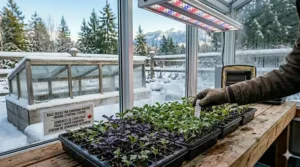
- Prepare trays: Fill with 4-5cm of moistened growing medium
- Seed densely: Spread 2-3 tablespoons per standard tray
- Cover initially: Place in dark location for 3-5 days
- Introduce light: Move to bright location once sprouted
- Maintain moisture: Mist 1-2 times daily
- Harvest: Cut when 5-8cm tall with first true leaves
The Sproutpeople website notes that Green Kale microgreens have a mild, nutty flavour, while Red Russian varieties develop purple colouration at cooler growing temperatures (15-18°C) — perfect for Canadian homes during winter.
✨ Don’t Miss These Exclusive Deals!
🔍 Take your winter garden to the next level with these carefully selected kale seed varieties available in Canada. Click on any highlighted item to check current pricing and availability on Amazon.ca and Canadian seed companies. These seeds will help you create authentic year-round harvests your family will love!
Lacinato Kale Dinosaur: History and Growing Tips for Canada
The wrinkled, dark blue-green leaves of lacinato kale dinosaur varieties tell a story spanning centuries. This Italian heirloom, dating to the 1700s, has found a welcoming home in Canadian gardens.
Why “Dinosaur” Kale Thrives in Canadian Winters
The bumpy, textured leaves resemble dinosaur skin — hence the nickname. But beyond novelty, this texture serves a purpose: increased surface area allows better cold-weather photosynthesis when light is limited.
Canadian climate advantages:
The cool-season preference of Lacinato aligns perfectly with Canadian growing conditions. Fall-planted crops in zones 5-7 can overwinter with minimal protection. In zones 3-4, they excel as late-summer starts for autumn harvest before hard freeze.
Flavour development in cold:
According to culinary experts and Canadian gardeners, Lacinato’s flavour profile changes dramatically with frost exposure. The leaves develop a subtle sweetness that balances their earthy, slightly mineral taste. This makes them superior for:
- Braising and sautéing (holds texture well)
- Kale chips (flat leaves make preparation easier)
- Winter soups and stews
- Massaged kale salads (tender when worked)
Growing Lacinato in Canadian Zones
Timing for different zones:
Zones 3-4: Start indoors late April, transplant late May, harvest September-October
Zones 5-6: Direct seed May and July, harvest June-July and October-November
Zones 7-9: Direct seed March-April and August-September for nearly year-round harvests
Care requirements:
Lacinato prefers full sun (6-8 hours) but tolerates light shade in warmer zones. Soil should be rich in organic matter with pH 6.0-7.0 — adding lime 3 weeks before planting helps achieve this. Regular watering (2.5cm per week) and side-dressing with compost mid-season produces the best leaves.
Maximizing Red Russian Kale Seeds in Canadian Gardens
Few varieties match the cold hardiness and historical significance of red Russian kale seeds in Canadian agriculture. This heirloom arrived via Russian traders along Canada’s Pacific coast in the 1880s and has thrived in harsh climates ever since.
What Makes Red Russian Exceptional
Cold tolerance: Survives temperatures down to -15°C without protection and -25°C under row cover. In mild Canadian winters (zones 6-8), it produces continuously with minimal care.
Flavour profile: The sweetest of all kale varieties, with mild cabbage-like taste and none of the bitterness associated with curly types. Young leaves work raw in salads; mature leaves excel in stir-fries.
Visual appeal: Grey-green leaves develop purple-red veining as temperatures drop, creating stunning fall and winter colour in Canadian gardens.
Growing Strategies for Canadian Regions
Prairie provinces (Alberta, Saskatchewan, Manitoba):
- Start indoors mid-April for June transplanting
- Direct seed in July for fall harvest
- Protect with row cover from September onward
- Harvest continues until November in most areas
Atlantic Canada (Nova Scotia, New Brunswick, PEI, Newfoundland):
- Direct seed April for early summer harvest
- Second planting in August produces winter crops in milder coastal zones
- Withstands salty coastal winds better than other varieties
- Market gardens often grow this for year-round sales
Central Canada (Ontario, Quebec):
- Three succession plantings (May, June, July) extend season
- Late plantings overwinter south of zone 5 with protection
- Popular for CSA boxes due to mild flavour appeal
Winterbor Kale Variety: The Gold Standard for Canadian Winters
When West Coast Seeds labels winterbor kale variety as their “most frost-hardy,” they’re not exaggerating. This Scottish hybrid combines extreme cold tolerance with exceptional productivity.
What Sets Winterbor Apart
Hybrid vigour: F1 breeding produces plants with enhanced cold resistance, disease tolerance, and uniform growth. While you can’t save seeds true to type, the performance justifies buying fresh seed annually.
Growth characteristics:
- Height: 60-75cm (24-30 inches)
- Spread: 45-60cm at maturity
- Leaf size: 20-30cm long
- Stem thickness: Robust, easy to strip
Harvest window: In zones 5-7, Winterbor can be harvested from August through March with simple protection. Zones 3-4 see productive harvest from August through November, with potential for December picking under snow.
Canadian Grower Success Stories
Commercial production: Fresh market growers across Canada favour Winterbor for its consistent performance. The tall stems allow rapid harvesting — crucial when labour costs matter. Farms in British Columbia’s Fraser Valley report harvesting through January for local markets.
Home gardens: Suburban Canadian gardeners appreciate the continuous harvest model. Rather than pulling entire plants, they pick lower leaves as needed, and the plant continues producing from the growing tip. A single Winterbor plant can yield 2-3kg of leaves across a season.
Cold frame cultivation: Combining Winterbor with simple cold frames extends Canadian growing seasons dramatically. Ontario gardeners report harvesting fresh leaves on Boxing Day. Quebec homesteaders note that even when top growth freezes, the plants often recover in spring, flowering and setting seed for the next generation.
Buying Winterbor in Canada
Multiple Canadian suppliers stock Winterbor:
- West Coast Seeds: $8.99 CAD for ~100 seeds
- Stokes Seeds: $6.50 CAD for packet, bulk options available
- Veseys: $7.50 CAD with frequent sales
- Garden centres nationwide: $5.50-$9.99 CAD seasonally
Soil Preparation and Planting for Canadian Winter Kale
Success with kale seeds for Canadian winter starts long before you plant. Proper soil preparation compensates for our short growing season and challenging climate.
Soil Requirements for Cold-Climate Kale
Optimal soil composition:
- pH: 6.0-7.0 (slightly acidic to neutral)
- Organic matter: 5-8% by volume
- Structure: Well-draining but moisture-retentive
- Nutrient levels: High in nitrogen, moderate phosphorus and potassium
Canadian soil challenges:
Many Canadian soils lean acidic (pH 5.0-5.5) due to coniferous forest influence and heavy rainfall in some regions. Testing soil pH in early spring allows time for amendments. Agricultural lime takes 3-4 weeks to modify pH effectively.
Amendment schedule:
Spring (April-May):
- Test pH and add lime if needed
- Incorporate 5-8cm of finished compost
- Add blood meal or fish emulsion for nitrogen boost
Mid-season (July):
- Side-dress with compost tea
- Apply balanced organic fertilizer (5-5-5 or similar)
- Mulch with straw to conserve moisture
Fall (September-October):
- Add aged manure after harvest
- Plant cover crops (fall rye, winter wheat) in unused areas
- Leave kale roots to decompose, enriching soil
Timing Plantings by Canadian Zone
Zone 3:
- Indoor start: Late April to early May
- Transplant outdoors: Late May to early June (after last frost)
- Direct seed for fall: Mid to late June (no later than July 1)
Zone 4:
- Indoor start: Mid-April
- Transplant: Mid to late May
- Direct seed: Early May and through July for succession
- Fall planting: Late July for October-November harvest
Zone 5-6:
- Early spring direct seed: Late April to early May
- Main planting: May through early August
- Overwintering varieties: Plant late July to mid-August
Zone 7-9:
- Nearly year-round planting possible
- Spring crops: February-April
- Fall/winter crops: August-October
- Overwinter: November-planted crops mature in spring
Pest and Disease Management for Canadian Kale
Canadian kale faces different pest pressures than warmer climates. Understanding regional challenges helps protect your frost tolerant kale seeds zone 3 investment.
Common Canadian Kale Pests
Cabbage moths (Pieris rapae): The white butterflies appear across Canada from May through October. Their green caterpillars devour kale leaves rapidly.
Prevention:
- Row covers from transplant through maturity (also provides frost protection)
- Companion planting with aromatic herbs (thyme, sage, rosemary)
- Hand-picking caterpillars daily in small gardens
Flea beetles: Particularly troublesome in prairie provinces during hot, dry periods. Tiny black beetles create small holes in leaves.
Management:
- Delay planting until June when populations decline
- Keep soil consistently moist (beetles prefer dry conditions)
- Spray with neem oil in early morning
- Row covers for first 3-4 weeks after transplanting
Aphids: Cooler Canadian summers mean lighter aphid pressure than southern regions, but they still appear, especially on stressed plants.
Control:
- Spray plants with strong water stream
- Encourage beneficial insects (ladybugs, lacewings)
- Use insecticidal soap for heavy infestations
- Maintain plant health through proper watering and feeding
Disease Prevention in Canadian Climates
Clubroot: A serious soil-borne disease affecting Brassicas across Canada, particularly in Alberta and Ontario. Once established, it persists in soil for years.
Prevention strategies:
- 4-year crop rotation (avoid planting Brassicas in same location more often)
- Raise soil pH to 7.0-7.2 with lime (clubroot thrives in acidic soil)
- Clean tools and boots between garden areas
- Choose resistant varieties when available
- Remove and destroy infected plants (don’t compost)
Downy mildew: Common during humid Canadian summers and in coastal regions. Yellow patches on upper leaf surfaces, grey fuzzy growth underneath.
Management:
- Improve air circulation through proper spacing
- Water at soil level, avoiding leaf wetness
- Remove affected leaves promptly
- Avoid overhead irrigation in evening
Black rot: Bacterial disease more common in warm, humid conditions but can affect Canadian gardens during muggy summer weather.
Prevention:
- Purchase certified disease-free seeds
- Avoid working with plants when wet
- Remove crop debris thoroughly in fall
- Don’t save seeds from infected plants
Harvesting and Storing Canadian Winter Kale
Knowing when and how to harvest maximizes both yield and flavour from your kale seeds for Canadian winter plantings.
Harvest Timing for Different Varieties
Baby greens (21-30 days):
- Cut when leaves reach 8-15cm
- Harvest entire plant or use cut-and-come-again method
- Best flavour before true maturity
Microgreens (7-14 days):
- Harvest when first true leaves appear
- Cut just above soil line
- Use immediately for maximum nutrition
Mature plants (50-65 days):
- Begin harvesting when leaves reach 20cm
- Take lower leaves first, allowing plant to continue growing
- Single plant can produce for months
Cold Weather Harvest Strategies
After frost: Wait 24 hours after first frost before harvesting. The cold triggers sugar conversion, improving flavour dramatically. Canadian gardeners often call this “frost-sweetened” kale.
Winter harvesting techniques:
- Harvest midday when leaves are not frozen solid
- If leaves are frozen, allow them to thaw on the plant before picking
- Avoid handling frozen leaves (they become mushy when thawed if damaged)
- Snow-covered kale can be brushed off and harvested
Extending harvest:
Row covers: Add 2-4°C protection, extending season 2-4 weeks
Cold frames: Provide 5-10°C protection, potentially all winter in zones 6+
Hoop houses: Offer even better protection; some Canadian gardeners harvest through -20°C temperatures
Mulching: 10-15cm of straw around plants moderates soil temperature fluctuations
Storage Methods for Canadian Kale
Short-term storage (5-7 days):
- Wash and thoroughly dry leaves
- Wrap in paper towels
- Store in perforated plastic bag in crisper drawer
- Temperature: 0-2°C (just above freezing)
Long-term preservation:
Freezing:
- Blanch leaves 2-3 minutes
- Ice bath to stop cooking
- Remove excess water, freeze in portions
- Maintains quality 8-12 months
- Perfect for smoothies and cooked dishes
Dehydrating:
- Wash and thoroughly dry
- Remove stems, tear into pieces
- Dehydrate at 40-45°C until crispy
- Store in airtight containers
- Excellent for kale chips and powder
Fermentation:
- Mix massaged kale with salt (2-3% by weight)
- Pack tightly in jar
- Ferment 5-7 days at room temperature
- Traditional method in Ukrainian-Canadian communities
Companion Planting with Kale in Canadian Gardens
Strategic companion planting enhances kale growth while managing pests and maximizing limited Canadian garden space.
Best Companions for Canadian Kale
Allium family (onions, garlic, leeks): Aromatic compounds deter many pests. Plant garlic between kale rows in fall; harvest the following July just as kale reaches peak production.
Herbs (dill, chamomile, sage, rosemary): Attract beneficial insects that prey on kale pests. Dill particularly attracts parasitic wasps that control cabbage moths. These herbs also thrive in similar Canadian zone conditions.
Beets and carrots: Root vegetables use different soil nutrients and don’t compete with kale. Interplanting maximizes space in small Canadian gardens.
Lettuce and spinach: Fast-growing greens can be harvested before kale reaches full size. Plant lettuce between kale seedlings in May; harvest by July before kale needs the space.
Potatoes: Traditional companion in Canadian gardens. Potatoes finish producing as kale enters its prime fall harvest period. Some evidence suggests potatoes may help deter flea beetles.
Plants to Avoid Near Kale
Tomatoes, peppers, eggplants (Solanaceae family): Prefer more acidic soil (pH 6.0-6.5) than kale’s optimal 6.5-7.0. Heavy feeders that compete for nutrients.
Strawberries: Incompatible nutrient needs and can harbour slugs that damage kale.
Pole beans: Too much shade for kale; beans prefer warmer soil temperatures that delay kale planting in spring.
Cost Analysis: Growing vs. Buying Kale in Canada
Is growing kale seeds for Canadian winter economical? Let’s calculate real costs based on 2026 Canadian prices.
Initial Investment
Seed costs:
- Single variety packet (100-200 seeds): $5-$10 CAD
- Organic options: $7-$12 CAD
- Bulk seeds (1000+): $15-$25 CAD
Growing supplies (if starting from scratch):
- Seed starting trays: $8-$15 CAD
- Potting soil (4L bag): $6-$10 CAD
- Compost (30L bag): $8-$12 CAD
- Row cover: $15-$25 CAD for 3m × 10m
- Total first-year investment: $50-$85 CAD
Production Costs Per Season
Seeds: $10 CAD average
Fertilizer/compost: $15 CAD
Water: $5-$10 CAD (minimal in most Canadian regions)
Time investment: 30-40 hours across season
Total variable costs: $30-$35 CAD
Yield and Savings
Average home garden production:
- 20 plants produce approximately 40-60kg of kale per season
- With succession planting and winter varieties: 60-80kg possible
Retail kale prices (2026 Canadian average):
- Conventional kale: $2.99-$4.99/bunch (approximately 200-300g)
- Organic kale: $4.99-$6.99/bunch
- Per kilogram: $12-$20 CAD conventional, $20-$30 CAD organic
Financial comparison:
- Home-grown cost: $30-$35 for 60kg = $0.50-$0.58 per kg
- Store-bought equivalent: 60kg × $15/kg average = $900 CAD
- Annual savings: $865-$870 CAD
Even accounting for time investment, the return is substantial. Plus, home-grown kale offers:
- Superior freshness (harvest to table in minutes)
- Variety selection unavailable in stores
- Organic quality without premium prices
- Winter harvesting when store prices peak
- Educational value for children
✨ Don’t Miss These Exclusive Deals!
🔍 Explore premium kale seed varieties perfect for Canadian winters! Check current availability and pricing from trusted Canadian suppliers and Amazon.ca. Transform your winter garden with these frost-resistant champions that thrive in harsh climates!
FAQ: Growing Kale Seeds for Canadian Winter
❓ What are the best kale seeds for Canadian winter growing in zone 3?
❓ How much do kale seeds cost in Canada?
❓ Can I grow lacinato kale dinosaur varieties through Canadian winters?
❓ Which kale seeds are best for baby kale seeds microgreens indoors?
❓ When should I plant kale seeds for winter harvest in Canada?
Conclusion: Your Canadian Winter Kale Success Story Starts Now
Growing kale seeds for Canadian winter isn’t just possible — it’s one of the most rewarding cold-season gardening adventures you can undertake. From the ultra-hardy winterbor kale variety standing tall through Alberta blizzards to delicate baby kale seeds microgreens flourishing on Toronto windowsills, Canadians across every zone can enjoy fresh, nutritious greens year-round.
The varieties we’ve explored each bring unique strengths to Canadian gardens. Winterbor F1 delivers unmatched frost tolerance and continuous harvest. Dwarf Siberian Improved maximizes production in small spaces and containers. Red Russian kale seeds provide the sweetest flavour and historical connection to Canadian agriculture. Lacinato kale dinosaur adds gourmet appeal and striking texture. Microgreen mixes guarantee fresh greens even during -30°C cold snaps.
Success comes from matching variety to your specific Canadian zone and growing conditions. Understanding our unique hardiness zones — mapped comprehensively by Natural Resources Canada — empowers better variety selection and timing decisions. Whether you’re in zone 3 Yellowknife or zone 8 Victoria, frost tolerant kale seeds zone 3 to 9 options exist for your garden.
The organic kale seed varieties Canada offers continue expanding, with companies like West Coast Seeds, The Incredible Seed Company, and established suppliers like Stokes Seeds providing quality options at reasonable prices. At $5.50-$12.99 CAD for packets yielding 60+ kilograms of harvest, the return on investment far exceeds grocery store purchases.
As Canadian winters grow milder in some regions and more unpredictable in others, kale’s adaptability becomes increasingly valuable. These hardy Brassicas don’t just survive our climate — they thrive in it, often producing their best flavour when touched by frost. Start planning your winter kale garden today, and you’ll be harvesting fresh, sweet greens long after your neighbours have stored their garden tools for the season.
The question isn’t whether you can grow winter kale in Canada. It’s which of these amazing varieties you’ll try first.
Recommended for You
- 7 Best Winter Lettuce Seeds Canada Zone 4 (2026 Expert Guide)
- 7 Best Lettuce Seeds for Canadian Climate in 2026
- 7 Best Pepper Seed Variety Packs Canada 2026
Disclaimer: This article contains affiliate links to Amazon.ca and Canadian seed suppliers. If you purchase products through these links, we may earn a small commission at no additional cost to you.
✨ Found this helpful? Share it with your friends! 💬🤗
