

In This Article
There’s something deeply satisfying about biting into a pepper you’ve grown yourself, feeling that familiar burn spread across your tongue while knowing you nurtured it from a tiny seed through Canada’s unpredictable growing season. Whether you’re a gardening veteran or someone who just discovered that jalapeños aren’t actually that hot, finding the right hot pepper seeds Canada online can transform your garden from mundane to magnificent.
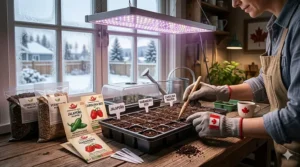
Growing hot peppers in Canada isn’t just possible—it’s thriving. With the right seeds adapted to our shorter growing season and cooler nights, you can cultivate everything from mild jalapeños perfect for nachos to ghost peppers that’ll make your friends question your sanity. The secret? Choosing varieties bred for northern climates and starting them indoors early enough to beat our famously late springs.
When shopping for hot pepper seeds Canada online, you’re not just buying seeds—you’re investing in months of anticipation, careful nurturing, and eventually, the smug satisfaction of telling everyone at the barbecue that yes, you grew these yourself. According to Ontario’s Ministry of Agriculture, specialty peppers have become increasingly popular amongst Canadian growers, with proper variety selection being crucial for success in our climate.
Quick Comparison Table: Top Hot Pepper Seeds at a Glance
| Product | Variety Included | Heat Level (SHU) | Price Range (CAD) | Best For |
|---|---|---|---|---|
| Caribou Some Like IT HOT Kit | Ghost, Jalapeño, Habanero, Cayenne | 6,000-1,000,000 | $15-$20 | Beginners wanting variety |
| JNB Jalapeño M Seeds | Jalapeño | 2,500-8,000 | $10-$15 | Container gardening |
| Oh! Canada 6-Variety Pack | Ghost, Habanero, Jalapeño + Tomatoes | 2,500-1,000,000 | $18-$25 | Salsa lovers |
| Thai Bird’s Eye Chili | Thai Hot | 50,000-100,000 | $8-$12 | Asian cuisine fans |
| Sandia Scotch Bonnet | Scotch Bonnet | 100,000-350,000 | $5-$7 | Caribbean cooking |
| Organic Cayenne Seeds | Long Slim Cayenne | 30,000-50,000 | $8-$15 | Drying and powder |
| Carolina Reaper Seeds | Carolina Reaper | 1,400,000-2,200,000 | $8-$15 | Extreme heat seekers |
💬 Just one click – help others make better buying decisions too! 😊
Top 7 Hot Pepper Seeds Canada Online: Expert Analysis
1. Caribou Seed Company Some Like IT HOT Seed Kit
When I first discovered this kit, I thought “finally, someone gets it.” The Caribou Seed Company Some Like IT HOT Seed Kit is specifically designed for Canadian growers who want to dip their toes (or taste buds) into multiple heat levels without buying seven separate seed packets.
This Ontario-based company includes four distinct varieties: Bhut Jolokia (Ghost Pepper) at a scorching 1,000,000 SHU, Orange Habanero at 100,000-350,000 SHU, Jalapeño at a manageable 2,500-8,000 SHU, and Red Cayenne at 30,000-50,000 SHU. Each packet contains 25-40 seeds with complete growing instructions tailored specifically for Canada’s climate zones.
Price: $15-$20 CAD on Amazon.ca
Canadian Availability: In stock, ships from Amazon Fulfillment
Canadian customers consistently praise the germination rates, with one Brampton gardener noting that 18 out of 20 seeds sprouted even in their basement setup. The instructions are clear about starting indoors 8-10 weeks before your last frost date, which is crucial for our shorter growing season.
✅ Pros:
- Perfect heat progression for beginners
- Canadian company understands our climate
- Complete growing instructions included
❌ Cons:
- Ghost peppers need very long season
- Limited seed count per variety
2. JNB Jalapeño M Hot Pepper Seeds
The JNB Jalapeño M Hot Pepper Seeds have become my go-to recommendation for Canadians starting their pepper journey. These aren’t your grocery store jalapeños—they’re specifically selected for consistent medium heat and excellent flavour that develops whether picked green or left to ripen red.
This variety produces 3.5-inch dark green peppers that mature to vibrant red in about 70-80 days from transplant. The real magic happens in how well these adapt to Canadian conditions. University of Saskatchewan research shows peppers need full sun and warm soil, and these Jalapeño M seeds deliver consistent results even in prairie gardens.
Specifications: 150+ seeds (3 packs), non-GMO, high germination rate
Price: $10-$15 CAD
Canadian Availability: Widely available on Amazon.ca
Canadian reviews frequently mention successful container growing on Toronto balconies and Vancouver patios. One Calgary grower reported harvesting 40+ peppers from just two plants grown in 5-gallon buckets, which speaks volumes about the variety’s productivity in our climate.
✅ Pros:
- Proven performance across Canadian zones
- Excellent for containers and small spaces
- High seed count offers great value
❌ Cons:
- Single variety only
- Requires 70-80 days to maturity
3. Oh! Canada Seeds Heirloom Tomato & Hot Pepper 6 Variety Pack
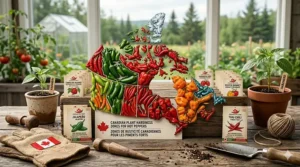
Nothing says “I’m serious about homegrown salsa” quite like the Oh! Canada Seeds Heirloom Tomato & Hot Pepper 6 Variety Pack. This ingenious kit combines Roma tomatoes, Red Cherry tomatoes, and Scotia tomatoes with Ghost Pepper (Bhut Jolokia), Orange Habanero, and Jalapeño seeds—everything needed for sauce making from mild to “why did I do this.”
Each variety is 100% heirloom, open-pollinated, non-GMO, and chemical-free. The Ghost Pepper clocks in at 1,000,000 SHU, making it one of the hottest peppers you can legally grow without special permits. According to the Scoville scale, this puts it in the “superhot” category developed by American pharmacist Wilbur Scoville in 1912.
Price: $18-$25 CAD
Package Contents: 25-40 seeds per variety (6 varieties total)
Canadian Availability: Certified Canada Showcase product
Ontario customers love how the tomatoes and peppers mature at compatible rates, allowing for fresh salsa production throughout August and September. The detailed growing guide addresses Canadian-specific concerns like late spring frosts and early fall freezes.
✅ Pros:
- Complete salsa garden in one package
- Canada Showcase certified
- Heirloom varieties save seeds for next year
❌ Cons:
- Ghost peppers need greenhouse or very warm location
- More expensive than single-variety packs
4. Thai Bird’s Eye Chili Pepper Seeds
If you’ve ever wondered why your homemade pad thai tastes different from your favourite restaurant, the Thai Bird’s Eye Chili Pepper Seeds might be your answer. These compact, upright peppers measure just 1-1.5 inches but pack 50,000-100,000 SHU of authentic Southeast Asian heat.
Also called Bird Chili or Thai Hot, this Capsicum annuum variety thrives in containers, making it perfect for Canadian apartments and condos with sunny balconies. Plants grow 30-45 cm tall and produce prolifically—one plant can yield 50-100 peppers throughout the season. The peppers mature from green to orange to brilliant red, creating an ornamental display alongside their culinary value.
Maturity: 70-80 days from transplant
Price: $8-$12 CAD for 25-90 seeds
Canadian Availability: Multiple sellers on Amazon.ca
Vancouver and Toronto customers especially appreciate how well these perform indoors under grow lights during winter months. The compact size means you can maintain continuous production year-round if you’re willing to hand-pollinate.
✅ Pros:
- Perfect for container growing
- Continuous production potential
- Authentic flavour for Asian cuisine
❌ Cons:
- Small pepper size means more work to harvest quantity
- Requires hand pollination indoors
5. Sandia Seed Company Scotch Bonnet Pepper Seeds
Available through Lucifer’s House of Heat (a Canadian retailer), the Sandia Seed Company Scotch Bonnet Pepper Seeds deliver that distinctive Caribbean flavour profile you simply cannot replicate with habaneros. While both peppers are Capsicum chinense species with similar heat levels (100,000-350,000 SHU), Scotch Bonnets have a sweeter, fruitier taste essential for authentic jerk seasoning.
Named for their resemblance to a Scottish tam o’ shanter cap, these peppers produce brightly coloured yellow, orange, or red fruits depending on the strain. West Coast Seeds, another trusted Canadian supplier, notes these need extra time to mature and as much heat as possible—crucial advice for Canadian growers.
Price: $5.50 CAD per packet
Germination Temperature: 25-29°C (78-85°F)
Canadian Availability: Ships across Canada
Southern Ontario greenhouse growers report excellent success, while prairie growers achieve better results starting seeds extra early (10-12 weeks before last frost) and using black plastic mulch to warm soil. The key is patience—these beauties need consistently warm conditions to develop their signature flavour.
✅ Pros:
- Authentic Caribbean flavour
- Relatively affordable
- Multiple colour options available
❌ Cons:
- Longer maturity time than most varieties
- Challenging in short-season regions without greenhouse
6. Organic Long Slim Cayenne Pepper Seeds
The Organic Long Slim Cayenne Pepper Seeds are what I call the “workhorse pepper”—reliable, productive, and incredibly versatile. These 6-8 inch long, thin-walled peppers rating 30,000-50,000 SHU are the foundation of most homemade hot sauce recipes and the source of the cayenne powder in your spice cabinet.
Plants grow bushy and reach about 60 cm tall, making them manageable in most Canadian gardens. The thin walls make these peppers perfect for drying—just string them up in a warm, dry location and they’ll dehydrate within 2-3 weeks. According to Canadian Food Focus, peppers like cayenne that take longer to grow benefit from purchasing transplants or starting indoors to ensure production within our growing season.
Maturity: 70-85 days
Price: $8-$15 CAD
Plant Height: 60-75 cm
Canadian Availability: Multiple organic certified sources
Manitoba customers report these perform remarkably well in their zone 3 gardens when started indoors in late February and transplanted after all frost danger passes. The vigorous plants tolerate cool nights better than many hot pepper varieties.
✅ Pros:
- Excellent for drying and powder making
- High yields per plant
- Tolerates cooler nights
❌ Cons:
- Takes full season to produce red peppers
- Thin walls mean less fresh eating appeal
7. Carolina Reaper Pepper Seeds
Let’s be honest—growing Carolina Reaper Pepper Seeds in Canada is partly about bragging rights. At 1,400,000-2,200,000 SHU, these hold the Guinness World Record for hottest pepper, and successfully growing them in our climate is gardening on hard mode.
These gnarly, tail-tipped pods take 90-120 days from transplant to maturity and require consistent warmth throughout. Most successful Canadian growers use greenhouses or start them indoors by mid-January, keeping them as houseplants until night temperatures consistently exceed 15°C (typically late May or early June depending on location).
Price: $8-$15 CAD for 20 seeds
Canadian Availability: Available from multiple sellers
Growing Zones: Best in zones 5-9, greenhouse recommended for zones 3-4
A Quebec grower shared that their greenhouse-grown Reapers produced 30+ pods per plant, enough to make hot sauce for their entire extended family (and then some). The key was maintaining 18-24°C daytime temperatures and never letting soil dry out completely.
✅ Pros:
- Ultimate bragging rights
- Record-breaking heat level
- Unique flavour beneath the fire
❌ Cons:
- Extremely long growing season
- Requires greenhouse in most Canadian zones
- Handle with extreme caution
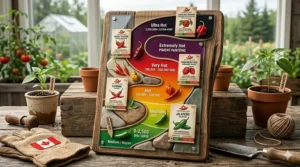
Understanding the Scoville Scale: Your Heat Roadmap
Before we dive deeper into growing techniques, let’s talk about how pepper heat actually works. The Scoville scale, developed by pharmacist Wilbur Scoville in 1912, measures the concentration of capsaicinoids—the compounds responsible for that burning sensation. Capsaicin is the predominant component, and its concentration directly correlates with the Scoville Heat Units (SHU).
Here’s how your seeds stack up:
- Mild (0-2,500 SHU): Bell peppers, banana peppers
- Medium (2,500-30,000 SHU): Jalapeños, poblanos
- Hot (30,000-100,000 SHU): Cayenne, serrano, Thai chili
- Very Hot (100,000-350,000 SHU): Habanero, Scotch bonnet
- Extremely Hot (350,000-1,000,000 SHU): Varieties like some habanero strains
- Superhot (1,000,000+ SHU): Ghost pepper, Carolina Reaper
What’s fascinating is that growing conditions affect heat levels. Peppers grown in stressful conditions—less water, higher heat, poor soil—actually produce more capsaicin as a defence mechanism. This means your Canadian-grown ghost pepper might actually be hotter than one grown in its native India if you’re strategic about late-season watering.
Choosing Hot Pepper Seeds for Canadian Climate
1. Consider Your Growing Zone
Canada spans from zone 0 to zone 8, which dramatically affects which hot pepper seeds Canada online will actually produce fruit before frost. Check your specific zone and plan accordingly.
Zones 3-4 (Prairies, Northern regions): Focus on early-maturing varieties like jalapeños (70-80 days) and consider using season extenders like Wall O’Water or row covers. Start seeds indoors by late February.
Zones 5-6 (Southern Ontario, Quebec, BC Interior): You can grow most pepper varieties with proper planning. Start superhots indoors by mid-January and medium-heat peppers by early March.
Zones 7-8 (Coastal BC, Southwestern Ontario): Lucky you—most varieties will thrive with standard transplant timing of 8-10 weeks before last frost.
2. Match Seeds to Your Growing Space
Container gardeners should prioritize compact varieties like Thai chili and jalapeño that produce well in 5-10 gallon pots. If you’re working with limited balcony space, choose bush-type peppers over sprawling varieties.
Garden bed growers have more flexibility but should still consider mature plant size when planning spacing. Most hot peppers need 45-60 cm between plants for adequate airflow and light penetration.
3. Select for Your Intended Use
Growing for fresh salsa? Jalapeños and serranos offer perfect heat with great flavour. Planning to make hot sauce? Cayenne, habanero, and ghost peppers provide the intensity and quantity you need. Want to impress friends? Carolina Reapers and Scotch Bonnets will definitely start conversations.
4. Check Seed Freshness and Source
Pepper seeds remain viable for 2-4 years under proper storage conditions, but fresher is always better. When buying hot pepper seeds Canada online, check package dates and customer reviews about germination rates. Canadian seed companies often have fresher stock than overseas suppliers since they’re not sitting in shipping containers for months.
5. Understand Seed Treatment Options
Organic/Heirloom seeds: Open-pollinated varieties you can save seeds from year to year. These often have more varied genetics, which can mean less uniformity but potentially better adaptation to your specific microclimate over generations.
F1 Hybrid seeds: Bred for specific traits like disease resistance, uniform size, or enhanced productivity. You cannot save seeds from F1 hybrids and expect the same results, but they often perform more consistently in their first generation.
Pelleted seeds: Coated to make them easier to handle and may include fungicides or growth enhancers. Less common for peppers but occasionally available for commercial varieties.
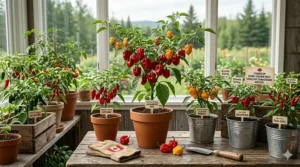
Starting Your Pepper Seeds Indoors: The Canadian Approach
Timing is Everything
The biggest mistake new Canadian pepper growers make is starting seeds too late. While tomatoes can go in 6-8 weeks before last frost, hot peppers—especially superhots—need 10-14 weeks of indoor growing time before transplanting.
Create a calendar working backward from your last frost date (typically mid-May for southern regions, early June for prairies):
- Superhot peppers (Ghost, Reaper): Start by mid-January
- Hot peppers (Habanero, Cayenne): Start by late February
- Medium peppers (Jalapeño, Serrano): Start by early March
Creating Optimal Germination Conditions
Pepper seeds germinate best at 25-29°C (78-85°F). Most Canadian homes hover around 20-22°C, which is too cool for reliable germination. Solutions include:
Seedling heat mats: The single best investment for pepper growing in Canada. These maintain consistent soil temperature regardless of room conditions. Place under your seed trays and set to 27°C.
Top of refrigerator method: The warm air rising from your fridge can create a mini heat zone. Check temperatures with a thermometer—you want 25-28°C.
Hot water heater proximity: Many Canadian utility rooms are warmer than living spaces. Just ensure adequate light once seeds sprout.
The Pre-Soak Trick
Speed up germination by soaking seeds in room temperature water for 8-12 hours before planting. This softens the seed coat and jumpstarts the germination process. For superhot varieties with particularly tough seed coats, some growers use weak chamomile tea instead of plain water for its mild antifungal properties.
Sowing Depth and Spacing
Plant seeds 0.5 cm (¼ inch) deep in sterile seed-starting mix. Sow 2-3 seeds per cell or small pot to ensure at least one germinates. Once seedlings develop their second set of true leaves, thin to the strongest plant per container.
Comparison Table: Growing Requirements by Heat Level
| Heat Category | Days to Maturity | Indoor Start Time | Ideal Germination Temp | Canadian Success Rate |
|---|---|---|---|---|
| Mild-Medium (Jalapeño) | 70-80 days | 8 weeks before last frost | 24-27°C | Excellent (95%+) |
| Hot (Cayenne, Thai) | 75-85 days | 9 weeks before last frost | 25-28°C | Very Good (85-90%) |
| Very Hot (Habanero) | 85-100 days | 10-12 weeks before last frost | 26-29°C | Good with planning (75-85%) |
| Superhot (Ghost, Reaper) | 90-120 days | 12-14 weeks before last frost | 27-30°C | Challenging (60-70%) |
Transplanting and Outdoor Care in Canadian Conditions
Hardening Off: Don’t Skip This Step
Canadian springs can be brutal on tender pepper plants. Before transplanting outdoors, spend 7-10 days gradually exposing plants to outdoor conditions. Start with 1-2 hours in a protected location during the warmest part of the day, gradually increasing exposure time and moving to less protected spots.
Watch weather forecasts religiously during this period. A surprise cold snap below 10°C can set plants back weeks or kill them outright. If temperatures drop unexpectedly, bring plants back inside or cover with blankets.
Soil Preparation and Planting
Peppers need well-draining soil rich in organic matter. Two weeks before transplanting, work compost or well-rotted manure into your planting area. According to Ontario’s Ministry of Agriculture, peppers prefer slightly acidic to neutral soil (pH 6.0-7.0).
When transplanting:
- Wait until soil temperature consistently reaches 15°C (60°F). Use a soil thermometer—this is more important than air temperature.
- Choose an overcast day or transplant in early evening to minimize transplant shock.
- Space plants 45-60 cm apart depending on variety size.
- Water thoroughly with a starter fertilizer solution (10-52-10) mixed according to package directions.
Mulching for Canadian Gardens
Once soil warms fully (late June for most regions), apply 5-8 cm of organic mulch around plants. This conserves moisture, suppresses weeds, and moderates soil temperature—all critical for pepper success in variable Canadian weather.
Black plastic mulch laid before transplanting warms soil faster, advancing harvest by 1-2 weeks. This technique works especially well in prairie regions with short growing seasons.
Watering Strategy
Peppers need consistent moisture but hate wet feet. Water deeply once or twice weekly rather than light daily watering. Inconsistent watering causes blossom end rot and cracked fruit.
As peppers begin ripening, you can strategically reduce watering slightly to concentrate heat. Stressed plants produce more capsaicinoids, so your final harvests may pack extra punch. Just don’t let plants fully wilt—that’s too much stress.
✨ Don’t Miss These Exclusive Deals!
🔍 Take your pepper growing to the next level with these carefully selected products available in Canada. Click on any highlighted item to check current pricing and availability on Amazon.ca. These seeds will help you create authentic heat your family and friends will remember!
Troubleshooting Common Canadian Pepper Problems
Slow Growth After Transplanting
If your peppers seem stuck in neutral after transplanting, the culprit is usually cool soil temperatures. Even if air temperature seems fine, soil below 15°C slows root development dramatically. Solutions include:
- Adding more black plastic mulch
- Using season extenders like row covers
- Being patient—peppers often sit still for 2-3 weeks before suddenly taking off
Blossom Drop
Seeing flowers form but fall off before setting fruit? Temperature stress is usually responsible. Peppers drop blossoms when nighttime temperatures dip below 12°C or climb above 27°C. Not much you can do about weather, but row covers can moderate overnight temperatures during cool spells.
Pepper Plants Not Producing Fruit
Three main causes:
- Too much nitrogen: Excessive nitrogen creates lush foliage at the expense of fruit. If plants look deep green and bushy but aren’t flowering, hold off on fertilizer.
- Insufficient sunlight: Peppers need minimum 6 hours of direct sun, preferably 8+. Morning sun is better than afternoon sun in hot climates.
- Still too early: Some varieties, particularly superhots, take seemingly forever before starting to flower. Patience pays off.
Pest Management in Canadian Gardens
Common pepper pests in Canadian gardens include aphids, flea beetles, and occasionally hornworms. Most respond well to:
- Aphids: Strong water spray or insecticidal soap
- Flea beetles: Row covers until plants are established
- Hornworms: Hand picking (they’re huge and easy to spot)
Avoid broad-spectrum insecticides which kill beneficial pollinators and predatory insects. Integrated Pest Management approaches work better long-term.
Price Range & Value Analysis
| Price Category | Typical Cost (CAD) | What You Get | Best Value Option |
|---|---|---|---|
| Budget | $3-$8 | Single variety, 20-40 seeds | Sandia individual varieties |
| Mid-Range | $10-$18 | Single variety with extra seeds or 2-4 variety kits | JNB Jalapeño M (150+ seeds) |
| Premium | $20-$30 | Multi-variety kits with tomatoes or premium superhots | Oh! Canada 6-Variety Pack |
| Specialty | $30+ | Rare varieties, larger seed counts, or professional grade | Specialty Canadian suppliers |
For most beginner to intermediate Canadian gardeners, mid-range options offer the best value. You get enough seeds to account for germination failures, have extras to share, and can save seeds from open-pollinated varieties for future seasons.
FAQs About Hot Pepper Seeds Canada Online
❓ Can I grow ghost peppers successfully in Canada without a greenhouse?
❓ What's the price range for hot pepper seeds in Canada?
❓ Which hot peppers adapt best to short Canadian growing seasons?
❓ Should I buy organic or conventional hot pepper seeds?
❓ How many pepper seeds should I plant per variety?
Conclusion: Your Hot Pepper Journey Starts with Quality Seeds
Growing hot pepper seeds Canada online isn’t just about producing fruit—it’s about the journey from that first green sprout to the moment you bite into a pepper grown despite (or perhaps because of) our challenging climate. Every Canadian gardener who’s successfully grown superhots has a story about fighting frost, coaxing reluctant plants through cool June nights, or that magical day when flowers finally appeared.
The products featured in this guide represent the best hot pepper seeds Canada online for 2026, selected specifically for Canadian growing conditions, availability, and proven performance. Whether you’re starting with the reliable Caribou Some Like IT HOT Kit or jumping straight to Carolina Reaper territory, success comes down to three factors: choosing varieties suited to your zone, starting seeds early enough, and providing consistent care throughout the season.
Remember that hot peppers are remarkably resilient once established. They tolerate cool nights better than you’d expect, produce heavily even in less-than-ideal conditions, and reward patient growers with abundant harvests. Your first year might teach you more about what doesn’t work in your specific garden, but that knowledge makes every subsequent season more successful.
Start small if this is your first season with hot peppers. Pick two or three varieties with different heat levels so you’re not overwhelmed with ghost peppers you can’t use or disappointed by mild peppers that don’t satisfy your heat preference. As you gain confidence, experiment with more exotic varieties, save seeds from your best plants, and develop your own strain perfectly adapted to your garden’s unique conditions.
The Canadian pepper-growing community is welcoming and generous with advice. Join local gardening groups, share your experiences online, and don’t hesitate to ask questions when problems arise. We’re all learning together how to push the boundaries of what grows well in our climate.
Now get those seeds ordered, prepare your seed-starting setup, and mark your calendar for planting time. Your summer self will thank you when you’re harvesting basketfuls of fresh, home-grown heat while your neighbours are paying premium prices at farmers markets. Happy growing!
Recommended for You
- 7 Best Short Season Bell Pepper Seeds Canada Zone 4 | 2026 Guide
- 7 Best Paste Tomato Seeds for Canning Canada 2026
- 7 Best Cherry Tomato Seeds for Containers 2026 Canada
Disclaimer: This article contains affiliate links to Amazon.ca. If you purchase products through these links, we may earn a small commission at no additional cost to you.
✨ Found this helpful? Share it with your friends! 💬🤗
