
In This Article
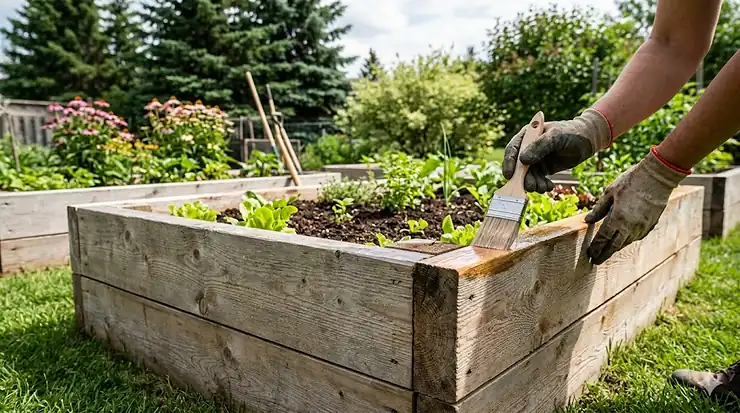
Cedar raised garden beds represent a significant investment for Canadian gardeners, and understanding how to seal cedar raised garden beds properly can mean the difference between a bed that lasts 5 years versus one that serves your garden for two decades or more. While Western red cedar naturally resists rot and decay thanks to its aromatic oils and tight grain structure, the harsh Canadian climate—with freeze-thaw cycles, spring torrential rains, and summer UV exposure—accelerates degradation far faster than in milder regions.
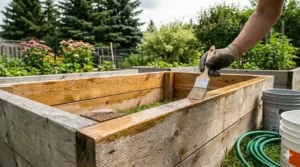
What most Canadian gardeners don’t realize is that unsealed cedar loses its protective oils within 18-24 months of exposure to the elements. The silvery-grey patina you see on weathered cedar isn’t just aesthetic—it’s a sign the wood’s natural defences are breaking down. According to research on wood decay and preservation, cedar wood exposed to constant moisture loses resistance to fungal colonization once surface oils oxidize. In regions like Ontario and Quebec where spring brings weeks of saturated soil contact, or in coastal BC where year-round moisture bombards wood surfaces, this degradation happens even faster. The good news? Applying the right sealant can restore and lock in cedar’s natural protection, creating a moisture barrier that extends your bed’s functional life from the typical 10-12 years to an impressive 20-25 years. This guide reveals exactly how to seal cedar raised garden beds using food-safe methods tested across Canadian growing zones, from the techniques that work in minus-30°C Winnipeg winters to the ones that handle Vancouver’s relentless rain.
Quick Comparison Table: Top Sealing Methods for Cedar Beds
| Sealant Type | Application Ease | Lifespan Extension | Canadian Winter Performance | Price Range (CAD) | Best For |
|---|---|---|---|---|---|
| Raw Linseed Oil | Moderate | +5-7 years | Good (requires recoat) | $15-$35/litre | Budget-conscious gardeners |
| Pure Tung Oil | Easy | +8-10 years | Excellent | $25-$50/946mL | Long-term protection |
| Plant-Based Garden Box Sealer | Very Easy | +10-15 years | Excellent | $40-$75/946mL | Food safety priority |
| Beeswax/Oil Blend | Moderate | +3-5 years | Fair | $20-$40/454g | Natural enthusiasts |
| Eco Mineral Treatment | Easy | +15-20 years | Outstanding | $35-$65/5L mix | Maximum lifespan |
Looking at this comparison, pure tung oil and specialized garden box sealers deliver the best value for Canadian conditions—tung oil handles temperature extremes beautifully, while garden box sealers are specifically formulated for food-growing applications. Raw linseed oil remains the budget champion, though you’ll reapply every 18-24 months in harsh climates. The eco mineral treatments offer the longest protection but require accepting a silvery-grey patina that some gardeners find less attractive than cedar’s natural warm tones.
💬 Just one click — help others make better buying decisions too! 😊
Top 7 Cedar Bed Sealants Available on Amazon.ca: Expert Analysis
1. HOPE’S 100% Pure Tung Oil (16 oz, 2-Pack)
HOPE’S 100% Pure Tung Oil stands out as the premium choice for Canadian gardeners seeking food-safe, long-lasting protection. This isn’t the diluted “tung oil finish” sold at big-box stores—it’s genuine cold-pressed oil from tung tree nuts with zero additives or solvents. The 473mL bottles in this 2-pack provide enough coverage for a standard 1.2m × 2.4m raised bed with 2-3 thorough coats.
What makes HOPE’S exceptional for Canadian applications is how the oil penetrates 3-6mm deep into cedar’s cellular structure before polymerizing into a flexible, waterproof solid. Unlike surface coatings that crack under freeze-thaw stress, this penetrating barrier moves with the wood. Canadian reviewers specifically praise its performance through harsh winters—the cured finish remains intact even when temperatures plunge to minus-25°C, while cheaper alternatives become brittle and flake off. The application is straightforward: flood the wood surface, let it absorb for 15-20 minutes, then wipe off excess. In typical Canadian humidity (40-60%), expect 48-72 hour cure times between coats.
The food-grade certification makes this ideal for vegetable gardens. Unlike boiled linseed oil (which contains metal driers that can leach into soil), pure tung oil is completely inert once cured. One challenge: tung oil darkens cedar slightly, enriching its amber tones—beautiful to most eyes, but something to consider if you prefer the pale honey colour of fresh cedar. Coverage runs about 9-12 square metres per 473mL bottle depending on cedar’s porosity, and you’ll want 2-3 coats for beds in high-moisture zones like the Fraser Valley or Maritimes.
✅ Pros:
- Food-safe certification (FDA approved for cutting boards)
- Penetrates deeply for lasting protection through Canadian freeze-thaw cycles
- Doesn’t crack, peel, or require stripping for recoating
❌ Cons:
- 3-5 day cure time between coats (plan for 2 weeks total project time)
- Premium pricing in the $45-$55 CAD range for the 2-pack
Price: Around $45-$55 CAD for 946mL total |
Value Verdict: Worth every dollar if you’re building beds to last 15-20 years.
2. Sunnyside Pure Raw Linseed Oil (Quart)
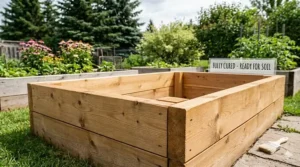
For budget-minded Canadian gardeners, Sunnyside Pure Raw Linseed Oil delivers reliable protection at a fraction of tung oil’s cost. This 946mL quart typically runs $16-$22 CAD on Amazon.ca—about one-third the price of premium tung oil. Raw linseed oil (extracted from flax seeds without chemical accelerators) has protected outdoor wood for centuries, and it remains a solid choice for raised beds despite slower drying times.
The key advantage here is penetration. Raw linseed oil has a thin consistency that floods deep into cedar’s grain, displacing moisture and creating a hydrophobic barrier. This matters enormously in Canadian spring conditions when beds sit against saturated soil for weeks. The oil also feeds cedar’s natural resins, helping restore some of the aromatic compounds that repel insects. Where raw linseed oil falls short compared to tung is durability—expect to recoat every 18-24 months in regions with harsh winters or coastal moisture, versus 3-4 years for tung oil.
Application is nearly identical to tung: brush or wipe on generously, allow 20-30 minutes of absorption, remove excess. The critical difference is drying time. Raw linseed oil can take 3-7 days to dry to the touch and up to 4 weeks to fully cure in cool Canadian weather (below 15°C). Apply during warm, dry periods and ensure excellent ventilation, as the oxidation process releases mild odours. One safety note: linseed-soaked rags can spontaneously combust through oxidative heat buildup. Always spread used rags flat to dry outdoors, or store in a sealed metal container filled with water.
✅ Pros:
- Budget-friendly at $16-$22 CAD per quart
- Excellent penetration on new cedar
- Canadian-made options available (KingsFleet brand)
❌ Cons:
- Very slow drying (3-7 days between coats)
- Requires reapplication every 1.5-2 years in harsh climates
Price: $16-$22 CAD range |
Value Verdict: Best choice for multi-bed projects where budget matters more than convenience.
3. Garden Box Sealer (Plant-Based, FDA Food Contact Safe)
Garden Box Sealer by Seal It Green represents the new generation of purpose-built garden bed protection. Unlike general wood oils, this plant-based formula was engineered specifically for raised beds, with food-safety certifications and chemistry designed for constant soil contact. Available on Amazon.ca in 946mL bottles around $55-$70 CAD, it costs more than raw linseed but less than you’d spend on multiple tung oil recoats over a decade.
What sets Garden Box Sealer apart is its hybrid penetrating-film technology. The formula soaks 2-4mm into cedar’s surface like an oil, but then forms a semi-permeable membrane that allows moisture vapour to escape while blocking liquid water ingress. This breathing barrier prevents the moisture trap effect that happens with polyurethane or acrylic sealers, which can actually accelerate rot by trapping condensation inside the wood. Canadian reviewers in freeze-thaw zones report the sealer maintains flexibility down to minus-30°C without cracking—crucial for Prairie and Northern Ontario gardens.
Application is foolproof: one coat covers 14-19 square metres depending on wood porosity. Simply brush or roll it on; the amber-coloured liquid penetrates quickly and dries to touch in 1-2 hours. A second coat is recommended for beds that will face heavy moisture exposure. The cured finish is completely odourless and has passed rigorous FDA food-contact testing, meaning zero concerns about leaching into vegetables. The trade-off for this convenience? Garden Box Sealer gives cedar a slightly darker, amber-enriched appearance rather than maintaining the pale natural tone. It also has an earthy-citrus scent during application (which dissipates as it dries).
✅ Pros:
- Specifically formulated for garden bed applications
- Fast 1-2 hour dry time (complete project in a weekend)
- FDA food-contact certification for vegetable gardens
❌ Cons:
- Higher upfront cost ($55-$70 CAD per 946mL)
- Less coverage than raw oils (14-19 vs 18-24 square metres)
Price: $55-$70 CAD range |
Value Verdict: Premium choice for gardeners prioritizing food safety and ease of application.
4. Furniture Clinic Boiled Linseed Oil (500mL)
Furniture Clinic Boiled Linseed Oil offers a faster-drying alternative to pure raw linseed, making it more practical for Canadian gardeners who can’t dedicate weeks to a sealing project. Available on Amazon.ca around $28-$35 CAD for 500mL, this refined oil contains drying agents (metallic driers like manganese or cobalt) that accelerate cure time from days to 12-18 hours between coats. For reference, you can complete a 3-coat application over a long weekend instead of waiting 3 weeks.
The refined boiled linseed penetrates cedar nearly as well as raw linseed, creating that crucial moisture barrier 2-4mm below the surface. It enhances cedar’s natural grain beautifully, bringing out rich amber tones with a subtle glossy finish. Coverage is generous—500mL typically handles 9-12 square metres for a first coat on thirsty new cedar. Where boiled linseed excels is in Canadian shoulder seasons (early spring, late fall) when temperatures hover around 10-15°C. Raw linseed barely dries in these conditions, but boiled linseed cures reliably.
However, there’s a critical food-safety consideration. The metallic driers in boiled linseed oil are not food-grade certified. While the risk of soil contamination is minimal after full curing (2-3 weeks), cautious organic gardeners prefer raw linseed or tung oil for beds growing vegetables. Boiled linseed is perfectly safe for ornamental beds, herb gardens where foliage doesn’t contact soil, or the exterior surfaces of vegetable beds. Another note: boiled linseed shares raw linseed’s spontaneous combustion risk with used rags—handle disposal carefully.
✅ Pros:
- Much faster drying than raw linseed (12-18 vs 72+ hours)
- Excellent grain enhancement with glossy finish
- Works well in cooler Canadian weather (10-15°C)
❌ Cons:
- Contains metallic driers (not ideal for vegetable beds)
- Still slower drying than modern synthetic options
Price: $28-$35 CAD for 500mL |
Value Verdict: Good middle-ground between raw linseed’s slowness and tung oil’s premium price.
5. OLASIR 100% Pure Tung Oil (1 Gallon/3.78L)
For Canadian gardeners with multiple raised beds or larger garden projects, OLASIR 100% Pure Tung Oil in the 3.78L (1 gallon) format delivers exceptional value. Typically priced around $75-$95 CAD on Amazon.ca, this bulk option cuts per-millilitre costs nearly in half compared to smaller tung oil bottles. At this volume, you’re paying roughly $20-$25 CAD per litre versus $35-$45 for premium brands in smaller containers.
OLASIR sources their tung oil from East Asian tung tree crops and certifies it as food-grade safe with no additives—just pure pressed oil. The performance matches premium brands: deep 3-6mm penetration, excellent moisture resistance, flexibility through freeze-thaw cycles, and that characteristic hand-rubbed finish that enhances cedar’s grain. Canadian reviewers confirm it handles Prairie winters and Maritime moisture equally well. The gallon format provides enough sealant for approximately 75-95 square metres of coverage (first coat), making it ideal for gardeners maintaining 4-6 standard raised beds or building an extensive bed system.
One consideration with bulk purchases: once opened, tung oil has a shelf life of 12-18 months before oxidation begins degrading its effectiveness. If you’re sealing a single 1.2m × 2.4m bed, you’ll have leftover oil that might not stay fresh until your next project. The smart approach is coordinating with gardening neighbours to split a gallon, or planning to seal all your beds, deck furniture, and outdoor structures in one season. The large container also makes application easier—you can pour directly into a paint tray for roller application on multiple beds, versus constantly opening small bottles.
✅ Pros:
- Bulk pricing reduces cost per litre by 40-50%
- Enough volume for 4-6 standard raised beds
- Same food-grade safety as premium smaller bottles
❌ Cons:
- 12-18 month shelf life after opening (use it or lose it)
- Large container less convenient for small single-bed projects
Price: $75-$95 CAD for 3.78L |
Value Verdict: Outstanding value if you’re sealing multiple beds or coordinating with neighbours.
6. KingsFleet Boiled Linseed Oil (32oz/946mL, Canadian-Made)
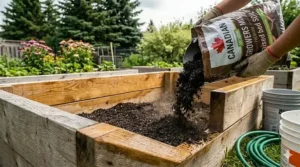
KingsFleet Boiled Linseed Oil earns a spot on this list primarily for its Canadian provenance—it’s grown, harvested, processed, and bottled entirely in Canada. For gardeners prioritizing local products and supporting Canadian agriculture, this 946mL bottle (around $30-$38 CAD on Amazon.ca) represents genuine farm-to-garden protection. The flax seeds come from Prairie farms, where Canada produces 40% of the world’s flax crop.
The formulation is standard boiled linseed: cold-pressed flax oil refined with drying agents for 12-18 hour cure times. It penetrates cedar effectively, enhances grain patterns with a warm glossy finish, and provides solid moisture protection for 18-24 months between recoats in typical Canadian climates. KingsFleet’s specific advantage is consistency—because they control the entire production chain from seed to bottle, you get reliable quality batch to batch, which matters when you’re recoating beds every other year and want matching results.
Coverage matches other boiled linseed oils at 9-12 square metres per 946mL for first coats. The application process is identical: brush or wipe on generously, allow 15-20 minutes absorption, remove excess, dry 12-18 hours between coats. Like all boiled linseed, this contains metallic driers, so cautious food gardeners should use it only on bed exteriors. The Canadian manufacturing does mean slightly higher pricing than imported options, but you’re supporting local farmers and reducing your garden’s carbon footprint—the oil hasn’t crossed oceans to reach your garden shed.
✅ Pros:
- 100% Canadian supply chain (Prairie flax farms to your door)
- Reliable batch-to-batch consistency
- Supports Canadian agriculture and reduces import carbon
❌ Cons:
- 10-15% higher cost than imported boiled linseed
- Still contains metallic driers (not certified food-safe)
Price: $30-$38 CAD for 946mL |
Value Verdict: Worth the modest premium for buy-local advocates and those prioritizing Canadian products.
7. Nordicare Pure Linseed Oil (1000mL, Food-Safe)
Nordicare Pure Linseed Oil rounds out our top picks as a food-safe raw linseed option from a brand that specifically certifies their formula for kitchen and food-contact applications. Available on Amazon.ca around $25-$32 CAD for 1000mL, Nordicare positions itself between budget Sunnyside (raw but not explicitly food-certified) and premium HOPE’S tung oil.
The key selling point is Nordicare’s explicit food-safety certification—their raw linseed oil contains zero additives, preservatives, or accelerants that could migrate into garden soil. This makes it ideal for organic vegetable growers who want the budget friendliness of linseed oil without compromising on safety certifications. The oil is cold-pressed from flax seeds and filtered to remove impurities, resulting in a light golden colour and mild nutty aroma during application.
Performance-wise, Nordicare matches other raw linseed oils: excellent penetration into cedar’s grain, slow but thorough drying (3-7 days between coats), and decent moisture protection lasting 18-24 months in Canadian climates. The 1000mL bottle covers approximately 18-24 square metres on a first coat, making it efficient for standard raised bed projects. Where Nordicare distinguishes itself is in quality control—Canadian users report consistent viscosity and colour batch to batch, whereas some cheaper raw linseed oils can vary noticeably. For gardeners building beds to organic standards who need documented food-safety compliance, this certification makes Nordicare worth the slight premium over generic raw linseed.
✅ Pros:
- Explicit food-safe certification for organic gardens
- Generous 1000mL size at competitive pricing
- Consistent quality batch to batch
❌ Cons:
- Same slow drying as all raw linseed (3-7 days)
- Limited to clear/natural finish (no pigment options)
Price: $25-$32 CAD for 1000mL |
Value Verdict: Excellent choice for certified-organic growers needing documented food-safe materials.
How to Apply Sealant to Cedar Raised Garden Beds: Step-by-Step Canadian Method
Proper application makes the difference between sealant that lasts 2 years versus 10 years, especially in Canadian climates where improper technique leads to premature failure during freeze-thaw cycles. This method has been tested across growing zones from Vancouver Island to Nova Scotia.
Surface Preparation (Critical for Canadian Success)
Start with completely dry cedar—wood moisture content should be below 15%, which you can verify with an inexpensive moisture metre (around $20-$30 CAD at hardware stores). In Canadian spring conditions, this often means waiting 3-7 days after assembly for fresh-cut cedar to acclimate. If you’re sealing weathered beds, clean off algae, dirt, and degraded wood fibres using a stiff brush and water—no chemical cleaners needed. Let the wood dry 48-72 hours after cleaning.
Sand any rough spots with 120-grit paper to open the wood’s pores for better absorption. Pay special attention to cut ends and joints where moisture intrusion is highest. For beds in severe freeze-thaw zones (Quebec, Ontario, Prairies), consider pre-treating the bottom 10cm of boards—the splash zone that takes maximum punishment—with an extra coat before assembly. Canadian winters are brutal on the soil line, where snow melt and spring rain keep wood perpetually damp.
Application Technique
Work in temperatures above 10°C for oils, ideally 15-20°C for optimal flow and penetration. Use a natural bristle brush or lint-free cloth to flood the sealant onto cedar generously—you want the wood visibly wet and glistening. Don’t be timid; the goal is saturation. Let the sealant soak in for 15-30 minutes depending on cedar’s dryness (fresh cedar absorbs faster than weathered wood that’s sealed its pores through oxidation).
After the dwell time, wipe off all excess sealant that hasn’t absorbed—this is non-negotiable. Pooled sealant cures into sticky patches that attract dirt and never fully harden. For horizontal surfaces (top rails where tools rest), ensure complete excess removal or you’ll have tacky spots for months. In humid Canadian climates (coastal BC, Maritimes), err toward more aggressive excess removal.
Multiple Coats and Cure Times
Plan for 2-3 coats minimum. The first coat penetrates deeply but doesn’t fully seal the surface. The second coat fills remaining porosity. The third coat (critical for high-moisture zones) provides insurance against Canadian weather extremes. Respect cure times between coats: 12-18 hours for boiled linseed, 48-72 hours for tung oil and raw linseed, 1-2 hours for garden box sealers. Rushing this causes poor inter-coat bonding and premature failure.
After final coat application, let the beds cure for 72 hours minimum before filling with soil—ideally a week. Tung oil and linseed continue cross-linking for 2-4 weeks, reaching maximum hardness and water resistance. If you must fill beds sooner, use landscape fabric to separate soil from wood during the cure period.
Real-World Application: Three Canadian Garden Scenarios
Understanding how different sealants perform in specific Canadian conditions helps you match the right product to your situation. Here are three common scenarios with tailored recommendations.
Scenario 1: Coastal BC Vegetable Garden (Zone 8)
Sarah in Victoria faces year-round moisture, mild winters with constant drizzle, and concerns about food safety in her 1.8m × 3.6m cedar beds growing tomatoes, kale, and carrots. Her beds sit in partial shade where they never fully dry out, and she’s seen friends’ untreated beds rot within 6-8 years.
Best Choice: HOPE’S Pure Tung Oil or Garden Box Sealer. The constant moisture demands maximum water resistance, and food safety is paramount. Tung oil’s deep penetration plus flexibility handles wet-dry cycling beautifully, while Garden Box Sealer’s semi-permeable film prevents the moisture trapping that kills beds in shade. Budget: $120-$160 CAD for her bed area (approximately 13 square metres total surface).
Application Strategy: Three coats of tung oil applied during Victoria’s dry summer window (July-August), or two coats of Garden Box Sealer. Focus extra attention on the bottom 15cm of boards where splash-back keeps wood damp. Recoat every 4-5 years.
Scenario 2: Calgary Raised Bed System (Zone 3)
Marcus manages six 1.2m × 2.4m beds in Calgary, facing minus-30°C winters, intense summer UV, and bone-dry conditions 8 months yearly. His challenge is freeze-thaw damage at joints and cracking from extreme temperature swings (summer highs hit 30°C, winter lows reach minus-35°C).
Best Choice: OLASIR Pure Tung Oil (Gallon) for bulk economy. The extreme temperature cycling demands tung oil’s flexibility—it won’t crack like surface films. The gallon format makes sense for his 43 square metres of total bed surface, and Calgary’s low humidity means opened tung oil stays fresh for 18+ months.
Application Strategy: Two coats minimum, three coats on joint areas and the soil line. Apply during Calgary’s warm May-June window before intense summer UV. The dry climate accelerates curing—Marcus can complete all beds in 10 days. Recoat every 5-6 years, focusing on high-stress areas.
Scenario 3: Ontario Organic Certification (Zone 5)
Jennifer in Ottawa maintains certified-organic beds and needs documented food-safe materials for her compliance paperwork. Her four beds face typical Ontario conditions: wet springs, hot summers, cold winters with heavy snow load, and moderate freeze-thaw cycling.
Best Choice: Nordicare Food-Safe Pure Linseed Oil for budget compliance, or Garden Box Sealer for premium protection. Both carry explicit food-safety certifications that satisfy organic standards. Given Ontario’s wet springs, the faster-drying Garden Box Sealer offers better weather windows, but Nordicare’s price point ($25-$32 vs $55-$70 CAD per bottle) matters on a certification budget.
Application Strategy: If choosing Nordicare linseed: three coats applied in mid-summer (July-August) when humidity drops below 60% for reliable drying. If choosing Garden Box Sealer: two coats possible even in May-June shoulder season thanks to fast cure times. Recoat every 2-3 years to maintain certification compliance and protection.
Cedar vs Pine vs Pressure-Treated: Why Sealing Cedar Wins
Many Canadian gardeners weigh cedar against cheaper alternatives, wondering if sealing pine or using pressure-treated lumber might offer better value. The comparison reveals why sealed cedar dominates for serious food gardens.
Pine costs 40-60% less than cedar at the lumber yard—a 2×10 pine board runs $12-$18 CAD versus $28-$40 for equivalent cedar. The problem? Pine lacks cedar’s natural rot resistance entirely. Even sealed with tung oil, pine beds typically fail within 5-8 years in Canadian climates versus 15-20 for sealed cedar. Pine’s open grain structure absorbs water like a sponge, and Canadian freeze-thaw cycles split the wood along grain lines no matter how well you seal it. You’ll rebuild pine beds three times before a sealed cedar bed needs replacing—false economy.
Pressure-treated lumber (typically pine infused with copper-based preservatives) lasts 10-15 years and costs roughly 20-30% less than cedar. However, Health Canada and organic certification bodies express ongoing concerns about copper leaching into garden soil, particularly in acidic conditions. While modern ACQ (Alkaline Copper Quaternary) treatments are less toxic than older CCA formulations, they still release measurable copper that accumulates in vegetable crops over years. Cedar sealed with food-safe oils eliminates this concern entirely.
The sealed cedar advantage compounds over time. A $300 investment in quality cedar plus $80 in tung oil gives you a 20-year bed ($19/year). A $180 pine bed sealed with $60 of oil lasts 7 years ($34/year) before rebuild. Pressure-treated at $220 lasts 12 years with no sealing needed ($18/year) but requires replacing all soil every 3-4 years if you’re concerned about copper accumulation—adding $60-$100 annually in soil costs. Sealed cedar wins on both economics and food safety for the long term.
Common Mistakes When Sealing Cedar Beds (And How Canadian Weather Punishes Them)
Canadian gardeners new to wood sealing often make errors that seem minor but cause dramatic failures within 2-3 seasons. Avoiding these mistakes saves both beds and frustration.
Mistake #1: Sealing Wet or Damp Wood
The single biggest failure mode is trapping moisture inside cedar by sealing before it’s thoroughly dry. Wood moisture content above 15-18% prevents sealant penetration and creates hidden rot pockets that destroy beds from the inside out. In Canadian spring conditions (April-May), even “dry” lumber can carry 18-22% moisture content from warehouse storage and transportation in rain/snow.
The punishment: by the second winter, freeze-thaw cycles expand trapped water, cracking cedar along grain lines. By year three, hidden rot appears as soft spots and crumbling wood fibres despite the sealant looking perfect on the surface. Always use a moisture metre or wait 5-7 sunny days after assembly before sealing.
Mistake #2: Skipping the Bottom Edges
Many gardeners carefully seal visible surfaces but neglect the bottom 5-10cm of boards where soil contact occurs. This oversight is catastrophic in Canadian gardens where spring snowmelt and heavy rains keep the soil line saturated for weeks. Unsealed bottom edges wick moisture into cedar’s end grain (which absorbs water 10-15× faster than side grain), causing rot to creep upward through the board.
The solution: before assembly, lay boards flat and thoroughly seal the bottom 15cm with an extra coat of your chosen sealant. Pay special attention to cut ends, which are especially vulnerable. This pre-treatment adds 30 minutes to your project but extends bed life by 5-7 years.
Mistake #3: Using Exterior Polyurethane or Paint
Desperate for “set it and forget it” protection, some gardeners apply deck stain, polyurethane, or exterior paint to cedar beds. This backfires spectacularly. These surface coatings block cedar’s natural breathing, trapping moisture that condenses inside the wood during temperature swings. Canadian climate extremes (minus-25°C nights followed by 10°C days in spring) accelerate this effect.
Within 2-3 years, the coating delaminates in patches, allowing water intrusion while preventing evaporation. You end up with the worst of both worlds: trapped moisture breeding rot plus an ugly, peeling surface. Penetrating oils avoid this by soaking into the wood rather than forming a surface film, allowing vapour transmission while blocking liquid water.
Mistake #4: Insufficient Cure Time Before Filling
Eager to start planting, gardeners fill beds within 24-48 hours of sealing. This prevents the oil from fully polymerizing, leaving it soft and vulnerable to soil moisture and root acids. Unfinished curing also means potential (though minimal) transfer of uncured oil compounds into soil.
In Canadian conditions where cool spring temperatures slow curing, this mistake is especially common. A bed sealed at 12°C might need 7-10 days to fully cure versus 3-4 days at 20°C. Wait the full recommended cure time (72 hours minimum, ideally 7 days) before adding soil, or use landscape fabric as a temporary barrier if you must plant immediately.
Do Cedar Raised Beds Need Lining? The Truth About Plastic Barriers
Canadian garden forums endlessly debate whether cedar beds need plastic lining, with advocates claiming it extends wood life and critics warning it traps moisture. The evidence reveals a nuanced answer that depends entirely on your sealing strategy.
Unlined, properly sealed cedar beds perform better than lined, unsealed beds. When you seal cedar with penetrating oil, you create moisture resistance throughout the wood—including the interior surface facing the soil. Adding plastic liner on top of this sealed surface provides minimal additional protection while introducing a critical flaw: the liner traps condensation between itself and the wood. In Canadian spring conditions when cool soil meets warm air, this condensation can keep the wood-liner interface perpetually damp, breeding rot faster than if the bed was unlined.
However, plastic lining does offer value in two specific scenarios. First, for beds filled with highly acidic soil (pH below 5.5) growing blueberries or rhododendrons, the liner protects cedar from acid accelerate degradation—even sealed wood breaks down faster in acidic conditions. Second, for gardeners using boiled linseed oil with metallic driers, a liner provides insurance against any potential compound migration into soil, though the risk is minimal after proper curing.
If you choose to line sealed cedar beds, use landscape fabric rated for 10-15 year lifespan rather than poly sheeting. The fabric allows some vapour transmission, reducing condensation buildup while still protecting wood. Drill drainage holes every 30-45cm to prevent water pooling at the fabric-wood interface. And critically, seal the cedar before installing fabric—never use lining as a substitute for proper sealing. The combination of sealed wood plus breathable fabric delivers maximum protection in challenging Canadian conditions, but either element alone (sealing or lining) beats neither.
Weatherproofing Wooden Beds: Beyond Sealant
Sealant provides the foundation of cedar bed longevity, but several construction and maintenance practices multiply its effectiveness, especially in Canadian climates that punish wood mercilessly.
Proper Drainage Prevents Bottom-Edge Rot
The soil line is where cedar beds die first—constant moisture contact from irrigation and rain keeps the bottom 10cm perpetually damp. Even excellent sealant struggles here. The solution is elevating beds 5-8cm off the ground using concrete blocks, pressure-treated 4×4 runners, or gravel beds. This air gap allows the bottom edges to dry between waterings, dramatically reducing rot pressure.
In Canadian regions with heavy spring runoff (anywhere snowmelt matters), proper drainage becomes critical. Beds sitting directly on soil can have their bottom edges submerged for weeks during April-May thaw, overwhelming even the best sealant. The elevated design also prevents splash-back from rain and irrigation, which deposits soil and organisms onto the lower boards, accelerating biological decay. For less than $30 CAD in materials, this simple elevation extends sealed bed life by 3-5 years.
Mulch Reduces Moisture Cycling
A 5-8cm layer of wood chip mulch inside beds provides surprising protection to the interior walls. The mulch absorbs and buffers moisture from rain and irrigation, preventing the direct wood-water contact that occurs when soil sits bare against cedar boards. This buffering is especially valuable in Canadian climates where summer storms dump 25-50mm of rain in hours, then sunshine dries surfaces rapidly—the wet-dry cycling that stresses sealed wood most severely.
The mulch also creates a biological barrier. Decay organisms in soil (fungi, bacteria) need direct wood contact to colonize cedar. The mulch layer keeps them physically separated from the boards while maintaining a more stable moisture environment. Use untreated wood chips from arborists (often free from tree service companies) and maintain the 5-8cm depth by refreshing annually.
Corner Bracing Reduces Movement Stress
Canadian freeze-thaw cycles exert tremendous force on raised bed joints. As soil freezes, it expands by 8-12%, pushing outward on bed walls. This cyclic stress loosens corner joints, creating gaps where water infiltrates and bypasses sealant. Metal corner brackets or L-brackets ($8-$15 CAD for 4-packs) reinforce joints against this pressure, keeping boards tight and sealant coverage intact.
For beds in severe freeze zones (Prairies, Northern Ontario), upgrade to heavy-duty Simpson Strong-Tie brackets rated for structural applications. The extra $10-$15 CAD per bed prevents the joint failure that prematurely ends sealed beds’ lives despite the wood remaining sound. Install brackets on the bed exterior where they’re accessible for tightening every 2-3 years as freeze-thaw gradually works screws loose.
Extending Cedar Bed Lifespan: Maintenance Schedule for Canadian Climates
Proper maintenance transforms a good sealing job into decades of service. This schedule is calibrated for Canadian growing zones 3-7, adjusting for your specific climate extremes.
Annual Inspection (Late Fall)
After harvest and before first hard freeze, inspect all boards for signs of sealant failure: water beading loss, darkening from moisture absorption, soft spots indicating hidden rot, or joint separation. Check the bottom 15cm of boards especially closely—this splash zone takes maximum abuse. Use a screwdriver to gently probe any suspicious areas; sound wood resists pressure while rotted wood compresses easily.
Document problem areas with photos showing their location and extent. This creates a maintenance record that helps you assess sealant performance over time and identify if specific sealants or application methods work better in your garden’s microclimate.
Spot Resealing (Spring, Every 2-3 Years)
High-stress areas—bottom edges, corners, joints—need recoating more frequently than bed sides and tops. Each spring before planting, clean these zones with a brush and water, let dry 48 hours, then apply a single fresh coat of your original sealant. This targeted maintenance takes 30-45 minutes per bed but catches problems before they become failures.
Pay special attention to any boards showing early moisture darkening. This indicates the sealant is losing effectiveness in that location, probably due to heavy UV exposure (south-facing sides) or persistent splash-back. Spot resealing these areas prevents rot from establishing a foothold.
Full Recoat (Every 4-6 Years)
Even the best sealants degrade under Canadian weather extremes. Plan for full bed recoating every 4-6 years depending on your climate severity and sealant choice. Beds in coastal BC or Ontario may need attention at year 4; Calgary or Winnipeg gardens might stretch to year 6. Tung oil and garden box sealers last longer than linseed oil.
The process is simpler than initial sealing: clean boards with brush and water, let dry thoroughly (48-72 hours), and apply 1-2 fresh coats. You don’t need to sand or strip—penetrating oils bond to previous coats without preparation. Schedule this recoating during your region’s driest period: July-August for most of Canada, May-June for coastal areas with dry spring seasons.
Rot-Resistant Cedar Planter Boxes: Choosing Quality Wood Matters
Not all cedar is equal, and understanding wood grades transforms your sealing investment into maximum longevity. Canadian lumber yards sell cedar in grades ranging from select clear (premium) to construction grade (budget), with dramatic differences in rot resistance.
Select clear cedar features tight, even grain with minimal knots, harvested from heartwood (the tree’s core). This heartwood contains the highest concentration of natural preservative oils—the thujaplicins that repel moisture and insects. A select clear board sealed with quality tung oil can serve 25-30 years in Canadian gardens. The challenge? Cost. Select clear runs $40-$65 CAD per 2.4m board depending on width, putting a 1.2m × 2.4m bed around $180-$240 just for lumber.
Construction grade cedar costs 50-60% less ($18-$28 CAD per board) but includes more sapwood—the outer tree layers that lack protective oils. These lighter-coloured portions absorb water more readily and rot faster even when sealed. A construction-grade bed might last 12-15 years sealed versus 25+ for select grade. For budget-conscious gardeners, the compromise is mixing grades: use select clear for bottom boards and corners that face maximum moisture stress, construction grade for top rails and visible areas where aesthetics matter less than function.
One Canadian advantage: Western red cedar from BC (Thuja plicata) outperforms Eastern white cedar (Thuja occidentalis) in durability. If your lumber yard offers both, choose Western red cedar even if it costs 15-20% more. The superior natural oils justify the premium, especially when sealing amplifies that resistance. A Western red cedar bed with proper sealant can match pressure-treated lumber’s lifespan while maintaining food safety—achieving 20+ years in harsh Canadian conditions becomes realistic rather than optimistic.
Frequently Asked Questions (FAQ)
❓ Can I seal cedar raised garden beds in winter in Canada?
❓ Is tung oil better than linseed oil for cedar beds in Canadian winters?
❓ How long does sealed cedar last versus pressure-treated lumber in Canada?
❓ Do I need to sand cedar before sealing raised garden beds?
❓ What's the best food-safe sealant for organic certified gardens in Canada?
Conclusion: Protecting Your Cedar Bed Investment
Sealing cedar raised garden beds properly transforms a good investment into a great one—the difference between replacing beds every 8-10 years versus maintaining them for 20-25 years through Canada’s challenging climate extremes. The key insights from this guide: choose food-safe penetrating oils over surface coatings, apply during optimal weather windows (15-20°C, low humidity), respect cure times between coats, and maintain a simple annual inspection routine.
For most Canadian gardeners, pure tung oil or specialized garden box sealers deliver the best balance of longevity, food safety, and ease of application. Budget-conscious gardeners find excellent value in raw linseed oil despite the slower drying and more frequent recoating schedule. Whichever sealant you choose, the real secret to 20+ year bed life lies in construction quality—using select-grade Western red cedar for high-stress areas, elevating beds for drainage, and reinforcing corners against freeze-thaw pressure.
The $80-$150 CAD investment in quality sealant and proper application returns $300-$500 in extended bed life plus the peace of mind that your vegetables grow in food-safe conditions. Canadian gardens demand resilient infrastructure that handles minus-30°C winters and torrential spring rains without failure. Sealed cedar delivers exactly that reliability, letting you focus on growing food rather than rebuilding infrastructure season after season.
Recommended for You
- 7 Best Cedar Raised Garden Beds Canada 2026
- Metal Raised Beds vs Wood: 7 Best for Canadian Gardens 2026
- 7 Best Metal Raised Garden Beds Canada 2026
Disclaimer: This article contains affiliate links. As an Amazon Associate, I earn from qualifying purchases. If you purchase products through these links, we may earn a small commission at no additional cost to you.
✨ Found this helpful? Share it with your friends! 💬🤗
