
In This Article
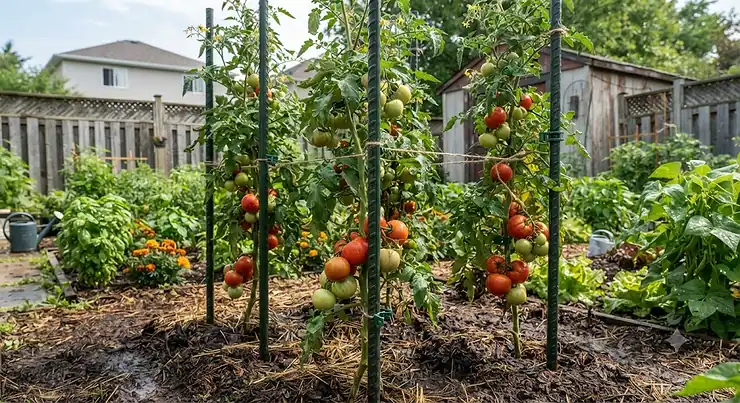
Somewhere around the third week of July, every unstaked tomato plant in Canada has the same idea at once: fall over. Usually right after a thunderstorm, usually onto the pepper plant next to it, usually the same week the fruit finally starts to ripen. If you have ever gone out to the garden after a windy night and found your Brandywine lying face-down in the mulch, you already know why metal plant stakes for vegetable garden use exist, and why bamboo just does not cut it past year one.
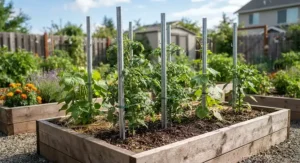
Metal plant stakes for vegetable garden beds are rigid steel or coated-steel rods, driven into the soil, used to hold up tomatoes, peppers, cucumbers, beans, and other heavy or climbing crops so they grow upright instead of sprawling and rotting on the ground. Unlike wood or bamboo, they do not snap under a loaded vine, and unlike thin wire, they will not bend into a permanent question-mark shape by August. We spent time digging through real product listings, verified specs, and aggregated customer-review sentiment for seven genuine options sold on amazon.ca, so you can pick a stake that survives an actual Canadian growing season instead of quietly failing in month two.
This guide leans hard on honest comparison rather than marketing copy. You will find real diameters, real lengths, honestly framed review sentiment, and price ranges instead of fake exact figures that go stale the moment Amazon runs a sale. Whether you are staking three tomato plants on a Toronto balcony or bracing forty feet of pole beans on a prairie homestead, one of these seven belongs in your garden shed. According to the Government of Ontario’s guidance on growing tomatoes, proper support during adverse weather is one of the more consistently overlooked parts of home tomato management — which is exactly the gap these stakes are built to close.
Quick Comparison Table
Before the deep dive, here is the fast version for anyone standing in the garden centre aisle with fifteen minutes before nap time ends.
| Product | Length | Best For | Price Range |
|---|---|---|---|
| VEVOR Plastic-Coated Metal Garden Stakes (50-Pack) | 57.28 in (145 cm) | Large vegetable beds on a budget | Under C$45 |
| GROWNEER 50-Pack Steel Garden Stakes with Twist Ties | 5 ft (152 cm) | Beginners who want ties included | C$40-C$55 range |
| Panacea 84186 Heavy Duty Coated Plant Stakes (25-Pack) | 6 ft (183 cm) | Mixed vegetable and flower beds | C$35-C$50 range |
| Gardener’s Blue Ribbon ST6BULK Sturdy Stakes (20-Pack) | 6 ft (183 cm) | Reliable mid-range staking | C$45-C$60 range |
| VEVOR Metal Tomato Stakes (10-Pack, 0.79 in dia.) | 93.7 in (238 cm) | Tall indeterminate tomatoes, heavy vines | C$50-C$70 range |
| Panacea 89797 Heavy Duty Sturdy Plant Stake | 7 ft (213 cm) | Pole beans and tall single-stem crops | Around C$20 (single stake) |
| Gardener’s Blue Ribbon Ultomato TMC60 (3-Pack Cage) | 5 ft (152 cm) per stake | Hands-off, self-supporting tomato cages | C$30-C$45 range |
At a glance, the split is simple: bundles from VEVOR and Growneer win on cost-per-stake for anyone staking a full vegetable plot, the Panacea and Gardener’s Blue Ribbon lines sit in the trusted mid-range most garden centres already stock, and the taller VEVOR tomato stakes plus the Ultomato cage system serve buyers dealing with either monster indeterminate tomatoes or a desire to just skip the tying altogether. Notice, too, that length varies by more than 90 cm across this list — that gap matters more than almost any other spec, and we will unpack exactly why in the stake length section below.
💬 Just one click — help others make better buying decisions too!😊
Top 7 Metal Plant Stakes for Vegetable Garden: Expert Analysis
Below are seven real, currently available products, ranked to cover every budget tier and every common vegetable-garden use case — from a balcony with three tomato plants to a quarter-acre market garden.
1. VEVOR Plastic-Coated Metal Garden Stakes (50-Pack) — best bulk value for large plots
If you are staking more than a dozen plants, the math on buying stakes one at a time stops making sense fast, and this is where VEVOR’s bulk pack earns its spot. The stakes measure 57.28 inches (about 4.8 ft) with an 11 mm diameter, built from a hollow steel core wrapped in a non-fading green PE coating designed to resist rust and weather cracking. In practice, that diameter is enough for tomatoes, peppers, cucumbers, and pole beans, though it will flex slightly under a truly massive indeterminate tomato loaded with fruit late in the season. Based on the spec comparison against thinner bamboo-style stakes, the pointed tip and flat, reinforced head make these noticeably easier to drive into compacted clay soil without splitting, which is a common failure point for cheaper stakes. Reviewers consistently report that the coating holds up through at least one full season without visible rust bleed-through, though a handful note the coating can scuff where garden ties rub against the same spot repeatedly. For anyone converting an entire vegetable bed from bamboo to metal in one go, this pack removes the “one broke, now I need a matching replacement” headache entirely.
Pros:
- ✅ Lowest cost per stake for large vegetable gardens
- ✅ PE coating resists rust and fading through a full season
- ✅ Pointed tip drives into hard soil without splitting
Cons:
- ❌ Diameter can flex under very heavy indeterminate tomatoes
- ❌ Coating can wear thin at repeated tie-off points
Prices for this 50-pack typically run under C$45 at the time of research, which works out to roughly one dollar per stake — genuinely hard to beat if coverage, not maximum rigidity, is the priority. For budget-focused vegetable growers with a lot of ground to cover, this is the value pick of the entire list.
2. GROWNEER 50-Pack Steel Garden Stakes with Twist Ties — best all-in-one starter bundle
New vegetable gardeners rarely think about ties until they are standing in the garden holding a floppy tomato branch and nothing to secure it with, which is exactly the gap Growneer closes by bundling 328 feet of twist ties directly into the box. The stakes themselves run 5 feet (152 cm) long in plastic-coated steel, positioned squarely as an all-purpose tomato-and-bean stake rather than a specialty heavy-duty option. What most first-time buyers overlook is that a stake is only half the support system — without ties on hand, plenty of gardeners end up using kitchen twine that rots by August, so having matched, weatherproof ties included genuinely changes the first-season experience. Aggregated customer feedback is mixed but instructive: multiple reviewers praised the stakes for lightweight jobs like deer-fencing frames and dahlia support, while others reported the hollow steel core bending or snapping at ground level under high wind loads on taller, heavier structures. Reading between those two clusters of feedback, the honest takeaway is that this stake is well-suited to individual tomato and pepper plants but should not be trusted as the backbone of a fence or trellis system.
Pros:
- ✅ Includes 328 feet of twist ties at no extra cost
- ✅ Lightweight and easy for beginners to install
- ✅ Plastic coating protects against rust and moisture
Cons:
- ❌ Some reviewers report bending under high wind loads
- ❌ Not rated for fencing or heavier trellis duty
Expect to pay in the C$40-C$55 range for the 50-pack, and treat this as the beginner’s complete-kit option rather than the toughest stake on this list — it is honestly better suited to a raised bed of peppers and determinate tomatoes than a wind-exposed prairie plot.
3. Panacea 84186 Heavy Duty Coated Plant Stakes (25-Pack) — best mid-range all-rounder
Panacea has been making stakes long enough that most Canadian garden centres carry the brand without asking, and the 84186 model is the one you will most often see stacked near the tomato cages. Each stake in this 25-pack runs 6 feet (183 cm) with a textured metal core wrapped in a durable plastic coating, and the surface texture is a small but genuinely useful detail — it gives garden twine more grip so ties do not slide down the stake as the plant gains weight through the season. Here’s what to weigh: the 6-foot length comfortably outlasts most determinate tomato varieties and gives indeterminate types real headroom before they need a taller replacement, while the metal core provides meaningfully more rigidity than the thinner bulk bundles above. Reviewers describe the stakes as sturdy enough to hold up mixed vegetable and flower beds without leaning, and several specifically call out that the coating has not chipped or rusted after repeated seasonal storage. On paper, this is the “no surprises” stake — not the cheapest, not the tallest, but dependable in the way a mid-range product should be.
Pros:
- ✅ Textured coating grips ties better than smooth stakes
- ✅ 6-foot length suits both tomatoes and taller flowers
- ✅ Metal core resists bending better than hollow bundles
Cons:
- ❌ Costs more per stake than the bulk 50-packs
- ❌ 25-pack may be too many for a small balcony garden
At a price typically in the C$35-C$50 range for 25 stakes, this sits comfortably as the “if in doubt, buy this one” recommendation for a standard backyard vegetable bed.
4. Gardener’s Blue Ribbon ST6BULK Sturdy Stakes (20-Pack) — best trusted mid-tier brand pick
Gardener’s Blue Ribbon has built a specific reputation among long-time vegetable growers for stakes that do exactly what the packaging says without any of the bending drama some no-name bundles attract. The ST6BULK model ships 20 stakes at 6 feet each, built around a steel core with a weatherproof plastic coating designed to shrug off rain, UV exposure, and the kind of chemical exposure that comes from fertilizer splash or fungicide spray. What most buyers overlook about this brand specifically is the “sure-grip” surface texture, engineered so garden ties stay put instead of sliding down under the weight of a loaded tomato truss — a small mechanical detail that saves repeated re-tying trips through the season. Aggregated review sentiment describes these stakes as durable enough to bend slightly under pressure without snapping outright, and multiple customers specifically noted they outlast bamboo stakes by several seasons of reuse. That combination of flex-without-failure is exactly what you want in a support stake, since a rigid stake that snaps is often worse than one that bows a little and holds.
Pros:
- ✅ Steel core bends under stress instead of snapping
- ✅ Sure-grip texture keeps ties from sliding down
- ✅ Well-established brand with consistent quality control
Cons:
- ❌ Sold in 20-packs, an awkward number for small gardens
- ❌ Mid-range price point compared with bulk bundles
Pricing generally lands in the C$45-C$60 range for the 20-pack. If brand consistency and grip texture matter more to you than shaving a few dollars off the per-stake cost, this is the safer bet over an unfamiliar import brand.
5. VEVOR Metal Tomato Stakes (10-Pack, 93.7 in) — best heavy-duty option for indeterminate tomatoes
Indeterminate tomato varieties — the kind that keep growing and fruiting until frost — regularly reach 2 metres or more, and that is precisely the growth pattern this VEVOR stake was engineered around. At 93.7 inches (238 cm) long with a thick 0.79-inch diameter, this is the tallest and stoutest single-stake option on this list, built from thickened PE-coated metal tubing specifically to resist bending under heavy fruit clusters and thick foliage. Based on the spec comparison with the thinner 50-packs above, the extra diameter is the whole story here: doubling the wall thickness roughly doubles the compression resistance, meaning this stake stays straight where a standard bundle stake would visibly bow by late summer. Reviewers consistently note this model holds up well through wind and rain without warping, and several specifically mention using it for pyramid-style staking setups where multiple stakes are lashed together at the top for extra stability with heavier crops like cucumbers and pole beans. The trade-off is exactly what you would expect: fewer stakes per pack and a noticeably higher per-unit cost.
Pros:
- ✅ Tallest option, ideal for indeterminate tomatoes
- ✅ Thick 0.79-inch diameter resists bending under fruit load
- ✅ Well-suited to pyramid staking for extra stability
Cons:
- ❌ Higher price per stake than any bulk bundle here
- ❌ Overkill for compact or determinate varieties
Expect to pay in the C$50-C$70 range for the 10-pack. For growers who have watched a tomato plant slowly bend a standard stake into a comma shape by September, this is the upgrade that actually solves the problem.
6. Panacea 89797 Heavy Duty Sturdy Plant Stake — best single tall stake for pole crops
Not every garden needs fifty stakes at once — sometimes you need three or four really good ones for a specific row of pole beans or a trellised cucumber patch, and that is the niche the Panacea 89797 fills. Sold individually or in small counts at 7 feet (213 cm), this stake features water-tight closures on both cut ends, a detail that stops moisture from wicking into the hollow steel core and rusting it from the inside out — a failure mode that plagues cheaper stakes with open, unsealed ends. What the spec sheet won’t tell you, but reviewers note, is that the small “spurs” along the stake’s length genuinely do their job of stopping vines from sliding back down after you have tied them up, which matters a lot for vigorous climbers like pole beans and morning-glory-style squash vines. One recurring review theme praises the coating’s durability specifically after repeated indoor-to-outdoor seasonal moves, suggesting this stake tolerates storage abuse better than average. For a grower who wants a handful of premium single stakes rather than a giant bundle, this is the pick.
Pros:
- ✅ Sealed ends prevent internal rust from moisture wicking
- ✅ Spurs stop climbing vines from sliding back down
- ✅ Sold individually, so buyers only get what they need
Cons:
- ❌ Costs more per stake bought individually than in bulk packs
- ❌ 7 feet may be excessive for compact raised beds
At around C$20 for a single stake, buying in small counts adds up faster than a bundle, but for pole beans, runner beans, or a single showcase tomato plant, the sealed-end construction is worth the premium.
7. Gardener’s Blue Ribbon Ultomato TMC60 (3-Pack Cage System) — best hands-off support system
Some gardeners simply do not want to tie plants to anything, and the Ultomato system exists for exactly that crowd. Each unit uses three 5-foot (152 cm) steel-core stakes with a thick plastic coating, connected by nine fully adjustable clip-on arms that snap into place to form a full support cage around the plant rather than a single point of contact. Here’s what to weigh against a traditional single stake: a cage distributes the plant’s weight across three anchor points instead of one, which meaningfully reduces the odds of the whole plant toppling in wind, at the cost of needing more setup time and storage space when the season ends. Reviewers describe the arms as easy to reposition as the plant grows — sliding them up the stake rather than needing to retie string at every stage — and several specifically mention that the system disassembles for compact off-season storage, unlike a welded wire cage that takes up a garage corner all winter. The design specifically favours tomatoes and other climbing fruiting vegetables over rigid single-stem crops, so it is a more specialized purchase than the general-purpose stakes above.
Pros:
- ✅ Adjustable arms eliminate most manual tying
- ✅ Distributes weight across three points for better wind stability
- ✅ Disassembles flat for easy off-season storage
Cons:
- ❌ Costs more per plant supported than single stakes
- ❌ Less suited to non-climbing, single-stem vegetables
Pricing for the 3-pack typically falls in the C$30-C$45 range. If tying and retying tomatoes all summer sounds like the least fun part of gardening, this is worth the extra cost for the time it saves.
Setting Up Metal Plant Stakes for Season-Long Success
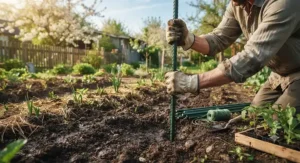
Buying the right stake is half the job — installing it badly undoes most of the benefit, so here is the practical setup sequence that actually holds up through a full Canadian growing season. Start staking at transplant time, not after the plant has already grown tall and floppy; driving a stake in later risks damaging the root ball you spent weeks nurturing. Push the stake in 20-30 cm (8-12 inches) deep for stability, angling it slightly away from the main stem so growth has somewhere to lean without immediately hitting metal. For loose or sandy soil, drive it deeper still, since sandy ground offers noticeably less grip than clay and stakes can work loose after a single heavy rain.
Once the stake is set, tie the plant using a figure-eight loop — around the stake, then around the stem, tied off with slack — rather than cinching straight across both, which crushes stems as they thicken. Re-check ties every two to three weeks through the growing season, since a tie that fit in June can girdle a stem by August as the plant swells. A common first-30-days mistake is over-tying too early: young stems need room to sway slightly, since that movement is part of what builds a sturdy stalk. At season’s end, pull stakes gently by rocking rather than yanking straight up, hose off soil before storage, and store coated stakes somewhere dry — moisture trapped against a coating over winter is the single biggest driver of early rust, regardless of how good the coating was on day one.
Real Garden Scenarios: Matching Stakes to Your Plot
Specs only tell half the story, so here are three realistic Canadian gardening situations matched to specific picks from the list above.
If you are a condo-dwelling renter with three tomato plants and two pepper plants on a south-facing balcony in Toronto, the Gardener’s Blue Ribbon Ultomato TMC60 makes the most sense — the cage system means less daily maintenance, and its compact off-season storage matters when you have no shed, just a closet. If you are a family with a 10-by-15-foot backyard vegetable bed outside Winnipeg growing tomatoes, cucumbers, and pole beans together, a mixed approach works best: Panacea 84186 Heavy Duty Coated Plant Stakes for the general bed and one or two of the taller VEVOR Metal Tomato Stakes reserved specifically for the indeterminate tomato varieties that will outgrow everything else by August. And if you are managing a half-acre market garden near Kelowna with rows of tomatoes, peppers, and beans that need consistent, budget-friendly staking across dozens of plants, the VEVOR Plastic-Coated Metal Garden Stakes (50-Pack) or GROWNEER 50-Pack Steel Garden Stakes deliver the coverage-per-dollar that a small commercial operation actually needs, saving the premium single stakes for a handful of showcase plants near the market stand.
How to Choose Metal Plant Stakes for Vegetable Garden Beds
Picking the right stake comes down to seven practical questions, in roughly this order of importance:
- What are you staking? Determinate tomatoes and peppers need less height and less rigidity than indeterminate tomatoes, pole beans, or trellised cucumbers.
- How tall will the plant realistically get? Check the seed packet’s mature height and add at least 30 cm of stake depth on top of that figure.
- How exposed is your site to wind? A sheltered urban backyard tolerates thinner stakes than an open rural plot or a rooftop garden.
- What is your soil type? Sandy or loose soil demands deeper-driven, sturdier stakes than dense clay, which grips a stake more firmly on its own.
- Do you want to tie plants manually, or avoid it? If tying sounds tedious, a cage-style system like the Ultomato removes that step entirely.
- How many plants need support? Bulk bundles win on cost for large beds; single premium stakes make more sense for a handful of showcase plants.
- How long do you want the stakes to last? Thicker-gauge, sealed-end, and heavier PE-coated stakes cost more upfront but avoid a mid-season replacement scramble.
Working through these in order avoids the single most common buying mistake: choosing purely on price and ending up with stakes too short or too thin for what actually gets planted.
Rust-Resistant Garden Stakes: What Actually Stops Corrosion
“Rust-resistant” gets printed on a lot of packaging, but the mechanism behind it varies quite a bit between products, and understanding it changes how long a stake actually lasts. Most rust-resistant garden stakes on this list rely on a PE (polyethylene) plastic coating wrapped around a steel core — the coating is a physical barrier that keeps moisture and oxygen away from the metal, since rust is fundamentally a reaction between iron, water, and oxygen. According to Wikipedia’s overview of galvanization, a related but distinct approach involves coating steel in a layer of zinc, which corrodes preferentially and protects the underlying iron even if the coating gets scratched — a more industrial-grade solution than most consumer garden stakes use, but worth knowing about if you are comparing a coated stake against a galvanized one.
The practical weak point on nearly every plastic-coated stake is the cut end, which is why sealed-end designs like the Panacea 89797 genuinely matter more than they might seem to on a spec sheet — an open, unsealed tip lets water wick straight into the hollow core, and once moisture sits inside a tube all winter, rust starts from the inside where you cannot see or treat it. A second weak point is scuffing at tie-off points, since repeated string or clip contact in the same spot slowly wears through the coating and exposes bare metal to weather. Reviewers across multiple brands note that stakes stored dry over winter last measurably longer than ones left outside in wet soil year-round, confirming that storage habits matter almost as much as the coating quality itself.
Durable Stakes for Pepper and Cucumber Plants
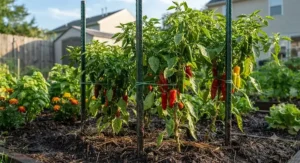
Peppers and cucumbers are frequently treated as an afterthought compared with tomatoes, but they have genuinely different staking demands worth calling out separately. Pepper plants are relatively light but brittle at the stem, meaning they benefit from a thinner, single stake placed close to the main stalk rather than a wide cage — something in the 90-120 cm range, like a shorter cut from the VEVOR Plastic-Coated Metal Garden Stakes bundle, usually does the job without overwhelming the plant. Cucumbers, on the other hand, are aggressive climbers that need either a trellis-style setup or multiple stakes lashed together, since a single thin stake will simply get outgrown and toppled by the vine’s weight within weeks.
For durable stakes for pepper and cucumber plants specifically, diameter matters more than height in most home garden setups — a thicker-gauge stake like the VEVOR Metal Tomato Stakes (10-Pack, 0.79 in dia.) resists the sideways torque cucumbers put on a support as they wrap and climb, where a thin stake tends to lean progressively over the growing season. Reviewers who grow cucumbers specifically mention pairing two or three stakes with garden twine strung between them, effectively building a low-cost trellis rather than relying on a single point of support, which spreads the vine’s weight and reduces the odds of a mid-season collapse right when fruit production peaks.
Long-Lasting Plant Stakes vs Bamboo and Wood Alternatives
Bamboo and wood stakes remain popular for one obvious reason: they are cheap and available at nearly every garden centre and dollar store in the country. But the comparison starts to favour metal fast once you look past that first-season sticker price.
| Feature | Metal Stakes | Bamboo / Wood Stakes |
|---|---|---|
| Typical Lifespan | 3-5+ seasons with coating intact | 1-2 seasons before splitting or rot |
| Weather Durability | Resists rot; coating resists rust | Prone to rot, splitting, and mould |
| Load Capacity | Holds heavy indeterminate tomatoes | Snaps under heavy fruit load |
| Best For | Long-lasting plant stakes for repeat annual use | One-season or light-duty support only |
| Upfront Cost | Higher per stake initially | Lower per stake initially |
The table makes the trade-off obvious: bamboo wins on day-one price, but long-lasting plant stakes made of coated metal win decisively on total seasons of use, since a single metal stake reasonably replaces three to five seasons’ worth of bamboo replacements. Reviewers who switched from bamboo to coated metal repeatedly mention not having to walk the garden each spring replacing snapped or rotted stakes, which is a maintenance cost most gardeners do not track until they add it up. For anyone gardening on the same plot year after year, metal effectively pays for itself by the second or third season, even before factoring in the frustration of a bamboo stake snapping mid-July with fruit already on the vine.
Weather Durability: What to Expect Across a Canadian Growing Season
Canada’s growing conditions are not uniform, and weather durability expectations should shift depending on where you garden. A coastal British Columbia garden deals with near-constant humidity and rain, which stresses coatings differently than a prairie garden facing intense UV exposure and sudden wind gusts, or a Maritime plot exposed to salt-laden air. Coated steel generally performs well across all three, but the specific failure mode differs: humid climates accelerate rust at any coating break, UV-intense regions cause coating brittleness and cracking over time, and salt air corrodes bare or scuffed metal noticeably faster than inland conditions.
Understanding your regional plant hardiness zone through Canada’s official mapping tool is a useful proxy here, since regions with harsher winters and shorter, more intense growing seasons tend to also see the wind and temperature swings that stress-test a stake’s coating fastest. Reviewers gardening in windier prairie regions specifically flag bending and ground-level snapping as their main complaint on thinner hollow stakes, while coastal reviewers more often mention rust bleed-through at scratched spots rather than structural failure. Matching stake thickness to your regional weather pattern — thicker gauge for wind-prone areas, well-sealed coatings for humid or coastal regions — is a smarter strategy than assuming any single product performs identically nationwide.
Stake Length: Matching Height to Your Crops
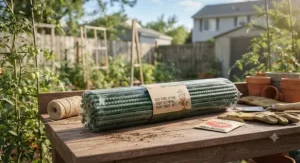
Stake length is the single most common mismatch buyers make, usually because it is tempting to grab whatever length happens to be on the shelf rather than measuring against actual mature plant height. As a rule of thumb, plan for the stake to reach at least two-thirds of the plant’s expected mature height above ground, with the remaining third driven into soil for stability — a plant expected to reach 150 cm needs roughly a 180-200 cm stake once you account for the buried portion.
Determinate tomatoes and pepper plants generally top out under 120 cm, making the shorter stakes on this list, like the 5-foot Growneer or Panacea 84186, more than sufficient. Indeterminate tomatoes, however, can exceed 2 metres by late summer in a good year, which is exactly why the taller VEVOR Metal Tomato Stakes at 238 cm and the Panacea 89797 at 213 cm exist as distinct products rather than everyone just buying one universal length. Pole beans and trellised cucumbers sit somewhere in between, typically needing 150-200 cm depending on variety, and benefit from the thicker-diameter options discussed earlier in the pepper-and-cucumber section. Buying slightly taller than you think you need almost always beats buying too short, since a too-short stake becomes useless the moment the plant outgrows it, while an overly tall stake can simply be driven deeper or trimmed if truly excessive.
Crop Support Mistakes That Cost You a Harvest
A handful of avoidable mistakes account for most of the staking failures gardeners report, and fixing them is usually free.
Problem: The plant topples in a summer storm. This is almost always a depth issue rather than a stake-strength issue — a stake driven only 10-15 cm deep will topple regardless of thickness. Solution: drive stakes at least 20-30 cm deep, and consider a wider three-stake pyramid setup for top-heavy indeterminate tomatoes.
Problem: Ties cut into the stem as the plant grows. This happens when ties are set too early and never rechecked. Solution: use a loose figure-eight tie and inspect it every two to three weeks, loosening as the stem thickens.
Problem: The stake rusts through by year two. Usually caused by unsealed cut ends or winter storage in damp soil. Solution: choose sealed-end designs like the Panacea 89797, or simply pull and dry-store stakes over winter regardless of brand.
Problem: Cucumbers or beans outgrow the stake and collapse. A single thin stake cannot handle an aggressive climbing crop indefinitely. Solution: pair multiple stakes with twine strung between them, effectively creating a mini-trellis rather than relying on one point of support.
Problem: Stakes bend permanently in windy conditions. Thin, hollow stakes flex under repeated gusts until they stay bent. Solution: upgrade to a thicker-gauge option like the VEVOR 0.79-inch diameter stakes specifically for wind-exposed sites.
Long-Term Cost & Maintenance
Thinking in cost-per-season rather than cost-per-stake changes which option actually makes financial sense. A C$40 bundle of 50 bamboo stakes that needs full replacement every season costs roughly C$120-C$200 over four years, once you account for annual repurchasing and the wasted plants lost to mid-season snapping. A comparable C$40-C$50 bundle of coated metal stakes, reasonably expected to last three to five seasons with basic dry storage, works out to closer to C$40-C$70 total over that same four-year window — a meaningful saving once you stop comparing sticker prices in isolation and start comparing total ownership cost.
Maintenance itself is minimal: rinse soil off before winter storage, keep stakes somewhere dry, and periodically inspect coatings for scuffing at common tie points, touching up with an outdoor-rated coating product if you want to extend life further. The stakes on this list requiring the least ongoing attention are the fully sealed-end designs, since they eliminate the internal moisture pathway that causes most premature rust. Factoring maintenance time into the equation, the mid-range and premium picks on this list — the Gardener’s Blue Ribbon and Panacea heavy-duty options specifically — tend to reward buyers who keep the same garden for years rather than renting or relocating annually.
Frequently Asked Questions
❓ What is the best metal for garden stakes?
❓ How deep should I drive a metal plant stake?
❓ Can metal plant stakes be reused every year?
❓ Do metal stakes damage plant stems?
❓ What length of stake do I need for tomatoes?
Conclusion
Metal plant stakes for vegetable garden beds are one of those unglamorous purchases that quietly determine whether your July harvest ends up on the vine or on the ground. The right choice depends far more on what you are growing and how exposed your site is than on brand loyalty alone — bulk bundles like the VEVOR Plastic-Coated Metal Garden Stakes and GROWNEER 50-Pack make sense for large plots on a budget, the Panacea 84186 and Gardener’s Blue Ribbon ST6BULK cover most standard backyard beds without drama, and the taller VEVOR Metal Tomato Stakes, Panacea 89797, and cage-style Gardener’s Blue Ribbon Ultomato exist specifically for the plants and situations that outgrow standard options.
Whichever you choose, remember that installation habits — depth, tie technique, and dry winter storage — matter almost as much as the stake itself, and a mid-range stake installed correctly will consistently outperform a premium stake driven in shallow. Match the length to your crop’s mature height, match the diameter to your local wind exposure, and treat the coating as a maintenance item rather than a lifetime guarantee, and any option on this list should carry a vegetable garden through several productive seasons.
Recommended for You
- Plant Stakes for Tall Flowers: 7 Sturdy Picks for 2026
- Tomato Cages vs Stakes for Tomato Plants: 7 Best Picks (2026)
- 7 Best Tomato Cages for Heavy Plants in Canada (2026 Picks)
Disclaimer: This article contains affiliate links. As an Amazon Associate, I earn from qualifying purchases. If you purchase products through these links, we may earn a small commission at no additional cost to you.
✨ Found this helpful? Share it with your friends! 💬🤗
