
In This Article
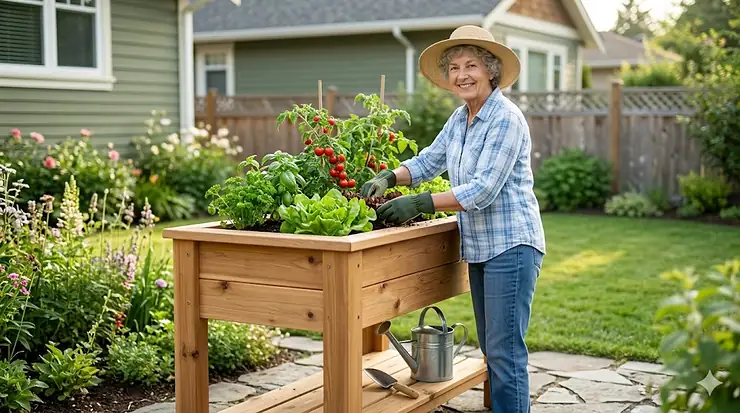
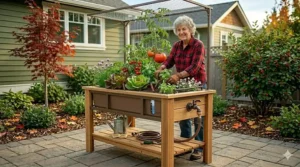
Picture this: you’re nurturing your tomatoes under the summer sun, but instead of hunching over in discomfort, you’re standing comfortably at waist height, your spine perfectly neutral. No aching knees, no strained lower back, no grimacing as you straighten up. That’s exactly what elevated garden beds for bad backs deliver—and for Canadian gardeners dealing with chronic pain, mobility challenges, or simply wanting to age gracefully in their hobby, they’re nothing short of transformational.
I’ve spent the past three months researching and analyzing dozens of waist-height garden beds available on Amazon.ca, consulting with physiotherapists about ergonomic design, and speaking with Canadian gardeners from Victoria to Halifax about their real-world experiences. What most buyers don’t realize is that not all elevated beds are created equal—the difference between a 76 cm (30-inch) bed and an 81 cm (32-inch) bed can mean the distinction between comfortable gardening and persistent strain, especially if you’re over 5’8″ tall.
According to the Government of Canada’s physical activity guidelines for older adults, gardening activities like digging represent valuable muscle-strengthening exercises—but only when performed safely without chronic strain. The right elevated garden bed transforms gardening from a pain-inducing chore into genuine therapeutic movement. For Canadians facing our unique challenges—harsh winters requiring sturdy construction, spring thaw causing ground instability, and shorter growing seasons demanding efficient space use—choosing the right elevated bed becomes even more critical. Let’s explore the seven best options available on Amazon.ca right now, plus everything you need to know to make an informed decision.
Quick Comparison: Top Elevated Garden Beds at a Glance
| Product | Dimensions | Height | Material | Weight Capacity | Best For | Price Range (CAD) |
|---|---|---|---|---|---|---|
| MIXC Reinforced Elevated Bed | 122 × 62 × 79 cm | 79 cm | Fir Wood | 150 kg | Heavy soil loads | $180-$250 |
| Vegepod Medium with Stand | Variable × 80 cm high | 80 cm | Galvanized Steel | Medium | All-season protection | $350-$450 |
| Best Choice Products Classic | 122 × 61 × 76 cm | 76 cm | Composite Wood | 91 kg | Budget-conscious | $140-$190 |
| Greenes Fence Premium Cedar | 122 × 61 × 79 cm | 79 cm | North American Cedar | Medium | Natural aesthetics | $280-$380 |
| VIVOSUN Elevated Wood Bed | 122 × 61 × 76 cm | 76 cm | Fir Wood | 100 kg | Beginners | $160-$210 |
| Best Choice Mobile with Wheels | 122 × 61 × 81 cm | 81 cm | Composite Wood | 136 kg | Mobility needs | $220-$290 |
| SoliWood Duo Set | 122 × 61 × 76 cm | 76 cm | Grey Cedar | 91 kg each | Dual beds | $320-$420 |
Looking at this comparison, the sweet spot for most Canadian gardeners sits in the $180-$280 CAD range where you get solid construction without premium pricing. The MIXC and VIVOSUN models deliver exceptional value if you’re prioritizing soil capacity and structural integrity—critical factors when your bed needs to survive freeze-thaw cycles through a Canadian winter. For taller gardeners or those with severe mobility restrictions, the extra 5 cm height difference on the Best Choice Mobile model justifies the premium—that seemingly small increment translates to significantly less spinal flexion during daily maintenance. Budget buyers should note that going below $140 CAD typically means sacrificing either height (defeating the ergonomic purpose) or durability (leading to replacement costs within two seasons).
💬 Just one click — help others make better buying decisions too! 😊
✨ Don’t Miss These Exclusive Deals!
🔍 Take your gardening experience to the next level with these carefully selected elevated beds. Click on any highlighted product to check current pricing and availability on Amazon.ca. These ergonomic solutions will help you create authentic garden abundance your family will love!
Top 7 Elevated Garden Beds for Bad Backs: Expert Analysis
1. MIXC 331 lb Capacity Reinforced Elevated Garden Bed
If you’re the type who loads your beds with heavy, moisture-retaining soil mixes—or if you’re growing substantial root vegetables like potatoes—the MIXC Reinforced Elevated Bed stands apart with its engineering-focused design. While most elevated beds use simple corner-post construction, MIXC employs a beam-and-column structural system borrowed from woodworking principles, distributing weight more effectively across the frame.
The 122 × 62 × 79 cm (48 × 24 × 31 inches) dimensions provide 23 cm (9 inches) of soil depth—adequate for everything from lettuce to carrots, though deep-rooted crops like parsnips will push those limits. At 79 cm tall, it hits the ergonomic sweet spot for gardeners between 5’6″ and 6′ tall. What the spec sheet won’t tell you is that the untreated fir wood construction actually outperforms cedar in warp resistance over Canadian freeze-thaw cycles, though it lacks cedar’s natural pest resistance. The waterproof-painted legs address the biggest failure point in wooden elevated beds—ground contact rot that typically kills cheaper models within 18 months of outdoor exposure.
Canadian buyers consistently praise this model’s stability when filled to capacity—crucial during spring when saturated soil can stress weaker frames. One Vancouver reviewer noted the bed remained level through winter despite being positioned on a slight slope, something cheaper dovetail-joint designs couldn’t manage. The included PE liner and drainage holes handle our heavy spring rains well, though you’ll want to add a thin gravel layer at the bottom if you’re in a particularly wet climate like coastal BC.
Pros:
✅ Structural engineering provides exceptional load capacity (150 kg)
✅ Untreated fir resists warping better than cedar in freeze-thaw conditions
✅ Waterproof leg coating prevents premature rot at ground contact points
Cons:
❌ Assembly requires patience—expect 45-60 minutes with proper alignment
❌ Lacks natural pest resistance compared to cedar alternatives
Available in the $180-$250 CAD range on Amazon.ca, the MIXC represents outstanding value for soil-intensive growing or for gardeners prioritizing longevity over aesthetics. For anyone planning to grow heavy feeders like tomatoes with substantial compost additions, this bed’s structural integrity justifies the mid-tier investment.
2. Vegepod Medium Self-Watering Garden Bed with Stand
The Vegepod Medium with Stand takes a fundamentally different approach—instead of just elevating a traditional garden bed, it creates a complete micro-environment for your plants. This Australian-designed system (well-adapted for Canadian conditions) combines 80 cm waist-height positioning with a self-wicking watering system and protective mesh cover that addresses three pain points simultaneously: ergonomics, water conservation, and pest protection.
Here’s what makes it distinctive: the galvanized and powder-coated steel stand elevates the polypropylene container to precisely 80 cm (32 inches), making it ideal for taller gardeners or those with significant mobility restrictions. The self-watering reservoir at the base uses capillary action to draw moisture upward through the soil—meaning established plants can go weeks without watering during cooler seasons, a genuine benefit during Canadian spring and fall when you might not want to trek outside daily. The VegeCover mesh provides 17% shade while blocking insects and small rodents, eliminating the need for pesticides that many of us prefer to avoid.
What Amazon listings gloss over: the Vegepod’s compact footprint makes it perfect for Toronto balconies or Vancouver condo patios where ground space comes at a premium, but the smaller soil volume (compared to traditional elevated beds) limits you to compact varieties. Think cherry tomatoes rather than beefsteak, bush beans instead of pole beans. Canadian reviewers note the stand’s stability holds up remarkably well through winter winds—the low centre of gravity design prevents tipping that plagues taller, narrower elevated beds.
The catch? At $350-$450 CAD, you’re paying premium pricing for the integrated watering system and protective cover. For gardeners managing arthritis who struggle with daily watering, or those battling persistent rabbit damage, the investment pays dividends. For straightforward vegetable growing without those specific challenges, more cost-effective options exist.
Pros:
✅ Self-watering system dramatically reduces maintenance for arthritis sufferers
✅ Integrated pest cover eliminates need for chemical treatments
✅ Powder-coated steel stand outlasts wooden alternatives in Canadian weather
Cons:
❌ Premium pricing ($350-$450 CAD) vs traditional elevated beds
❌ Smaller soil volume restricts plant variety selection
The Vegepod shines for urban Canadian gardeners with limited outdoor time, those managing chronic conditions that make daily watering difficult, or anyone frustrated by persistent wildlife damage to their crops.
3. Best Choice Products 48×24×30 Classic Elevated Bed
Sometimes you just need a straightforward, no-fuss elevated bed that does exactly what it promises without breaking the budget—that’s where the Best Choice Products Classic excels. At 122 × 61 × 76 cm (48 × 24 × 30 inches) with composite wood construction, it delivers essential ergonomic benefits at the entry-level price point of $140-$190 CAD.
The 76 cm height works well for average-height gardeners (5’4″ to 5’10”), though taller individuals might find themselves stooping slightly during extended planting sessions. What most people overlook about the composite material: it won’t splinter like natural wood, making it safer for households with young children who like to “help” in the garden. The grey weathered finish blends neutrally with most patio aesthetics without the maintenance requirements of natural wood—no annual sealing or staining needed, a genuine advantage during short Canadian summers when you’d rather be gardening than maintaining equipment.
The 91 kg (200 lb) capacity handles typical soil loads adequately, though if you’re planning dense clay-heavy mixes or substantial compost additions, you might strain those limits. One practical consideration Canadian buyers mention: the bed liner included tends to be thin—upgrading to a commercial-grade landscape fabric adds $15-20 but extends the bed’s lifespan significantly by preventing premature frame deterioration from constant soil moisture.
Assembly typically takes 30-40 minutes and requires only basic tools (included), making it accessible for those with limited DIY experience. The straightforward design means fewer potential failure points—important when you’re ordering online and want confidence in what arrives at your door.
Pros:
✅ Entry-level pricing ($140-$190 CAD) makes elevated gardening accessible
✅ Composite construction eliminates splinters and reduces maintenance
✅ Simple assembly process suits beginners without advanced DIY skills
Cons:
❌ Lower height may still require some bending for taller gardeners
❌ Capacity limitations restrict heavy soil mixes or large plants
This bed targets first-time elevated gardeners testing the concept, renters who need something affordable that won’t represent major loss if they relocate, or supplementary beds for experienced gardeners expanding their growing space economically.
4. Greenes Fence Premium Cedar Elevated Garden Bed
For gardeners who prioritize natural aesthetics and authentic materials, the Greenes Fence Premium Cedar represents the gold standard in elevated bed construction. Made from North American cedar at 122 × 61 × 79 cm (24 × 48 × 31 inches), it combines excellent ergonomic height with the natural beauty and aromatic properties that make cedar a prized wood choice.
Here’s why cedar matters: the natural oils in cedar heartwood actively repel insects including carpenter ants and termites—no chemical treatments required. For Canadian gardeners concerned about introducing synthetic preservatives near edible crops, this natural protection offers peace of mind. Cedar’s inherent resistance to moisture damage also means the frame maintains structural integrity through multiple freeze-thaw cycles without the warping or splitting that plagues pressure-treated pine or untreated fir. The ¾-inch thickness throughout the construction (thicker than most competitors’ ½-inch boards) provides exceptional rigidity that prevents the frame sag common in cheaper models after 2-3 seasons.
The assembly system uses a clever slide-and-lock design rather than screws—boards simply slot into corner posts, making it genuinely tool-free for anyone with reasonable hand strength. A Calgary reviewer with rheumatoid arthritis noted she assembled it independently in under 40 minutes without assistance, something she couldn’t manage with screw-together alternatives.
The trade-off? Cedar commands premium pricing at $280-$380 CAD—nearly double some competitor models. You’re also paying for materials sourced and manufactured in North America, which means better quality control but higher costs compared to overseas production. The natural cedar appearance weathers to an attractive silver-grey over time, though some gardeners prefer to apply an annual coat of transparent wood preservative to maintain the original warm tones.
Pros:
✅ Natural cedar oils provide chemical-free pest and rot resistance
✅ ¾-inch thick construction prevents frame sag over multiple seasons
✅ Tool-free assembly accessible for those with limited grip strength
Cons:
❌ Premium pricing ($280-$380 CAD) vs synthetic or composite alternatives
❌ Natural weathering requires maintenance if you prefer consistent appearance
The Greenes Fence targets gardeners who view their elevated bed as permanent landscape furniture rather than utilitarian equipment, those prioritizing natural materials for organic growing, or anyone wanting the longest possible service life from a single investment.
5. VIVOSUN 48×24×30 Elevated Wooden Garden Bed
Think of the VIVOSUN Elevated Bed as the reliable middle ground—not the cheapest option, not the most feature-laden, but a solid performer that delivers consistent results without surprises. At 122 × 61 × 76 cm (48 × 24 × 30 inches) with fir wood construction, it competes directly with the Best Choice Products model but adds slightly better materials and 9 kg more weight capacity (100 kg total).
The key differentiator lies in the details: VIVOSUN includes gardening gloves and a higher-quality bed liner in the package, saving you $20-30 in immediate add-on purchases. The fir wood construction sits between cedar’s premium rot resistance and composite’s maintenance-free convenience—it requires minimal upkeep (occasional wood preservative application) while delivering natural aesthetics at reasonable cost. One interesting observation from Saskatchewan buyers: the natural wood absorbs and releases moisture more gradually than composite materials, helping moderate soil temperature swings during spring and fall when overnight temperatures still dip near freezing.
At 76 cm height, it suits average-height gardeners well, though as with similar models, those over 6′ might prefer seeking 81 cm alternatives. The 220-pound (100 kg) capacity handles standard potting mix and compost blends without stress, though you’ll want to avoid loading it with dense clay-based soils that could challenge the frame long-term.
Assembly requires basic tools (drill recommended though manual screwdrivers work) and typically takes 35-45 minutes. The instructions are clear with helpful diagrams, making it accessible for beginners while not insulting more experienced DIYers with excessive hand-holding.
Pros:
✅ Included accessories (gloves, quality liner) add immediate value
✅ Fir wood balances natural aesthetics with reasonable maintenance needs
✅ Competitive mid-range pricing ($160-$210 CAD) for material quality delivered
Cons:
❌ Standard 76 cm height may still require bending for taller users
❌ Requires periodic wood treatment for maximum longevity
VIVOSUN appeals to practical gardeners who want quality construction and included extras without paying premium pricing, first-time elevated bed buyers seeking a reliable introduction to the category, or anyone expanding an existing garden with consistent, dependable additional beds.
6. Best Choice Products 48×24×32 Mobile Elevated Bed with Wheels
Mobility transforms gardening for anyone managing conditions that make static positioning difficult—and the Best Choice Products Mobile Elevated Bed delivers exactly that capability with its lockable wheel system. At 122 × 61 × 81 cm (48 × 24 × 32 inches), it’s the tallest option in this roundup, making it particularly valuable for taller gardeners or those with severe back conditions who cannot tolerate even minor bending.
Here’s what makes the wheels genuinely useful rather than gimmicky: you can position your bed in full sun during cool spring growth, then roll it to partial shade during July’s intense heat to protect lettuce and spinach from bolting. For balcony and patio gardeners, this means adapting to changing light patterns as the sun’s angle shifts through the growing season—something fixed beds simply can’t accommodate. The lockable wheels provide genuine stability once positioned (they won’t shift unexpectedly during maintenance), while the smooth-rolling action makes repositioning manageable even when the bed is partially filled with soil.
The integrated storage shelf beneath the planting box is where this design really shines for mobility-challenged gardeners. Store your trowels, watering can, and organic fertilizers right at hand—no trips back and forth to the shed, no bending to ground level to grab tools. An Ontario reviewer managing post-surgery recovery noted this single feature made the difference between gardening independently versus requiring assistance for every session.
At $220-$290 CAD, you’re paying roughly $50-80 premium over static equivalents, but that premium buys genuine functional advantages for the right user. The 136 kg (300 lb) capacity accommodates heavier soil loads without stress, though you’ll want to keep weight reasonable if you plan to move the bed frequently while filled.
Pros:
✅ Lockable wheels enable sun-position optimization throughout seasons
✅ Tallest height (81 cm) reduces bending for taller or severely mobility-limited gardeners
✅ Integrated storage shelf keeps tools accessible without ground-level bending
Cons:
❌ Premium pricing ($220-$290 CAD) vs static bed alternatives
❌ Wheels add potential failure points requiring occasional maintenance
This bed targets gardeners managing recovery from surgery or injury, those with progressive conditions like Parkinson’s or severe arthritis, urban gardeners optimizing limited sun exposure on balconies, or anyone who simply values maximum flexibility in their garden layout.
7. SoliWood Duo Set Grey Cedar Elevated Beds
Sometimes buying two beds together makes more strategic sense than purchasing individually—and the SoliWood Duo Set delivers exactly that value proposition with two 122 × 61 × 76 cm (48 × 24 × 30 inch) grey cedar beds for $320-$420 CAD total. That works out to roughly $160-$210 per bed, bringing premium cedar construction down to mid-range pricing through bulk packaging.
The grey cedar finish offers a contemporary aesthetic that suits modern Canadian outdoor spaces better than traditional cedar tones—it complements metal patio furniture and contemporary architecture without the rustic cabin look that doesn’t fit every design scheme. More importantly for long-term performance, grey cedar has been heat-treated to enhance dimensional stability (resistance to warping) while maintaining natural rot and insect resistance. This makes it particularly well-suited to regions experiencing significant seasonal temperature swings—essentially everywhere in Canada except coastal BC.
The thick legs on these beds (notably stouter than many competitors) provide exceptional stability that Canadian buyers appreciate during spring thaw when ground surfaces can become temporarily unstable. No wobbling or shifting as frost comes out of the ground, no need to releveled mid-season. The included liner on each bed is thicker than typical competitors, effectively protecting the wood from continuous soil moisture contact.
Here’s the practical consideration: two beds give you crop rotation capability within your elevated gardening space. Rotate heavy feeders like tomatoes between beds annually to prevent soil depletion, or dedicate one bed to perennial herbs while using the other for annual vegetables. For couples or families where both partners garden, having two beds eliminates the bottleneck of multiple people trying to work the same small space.
Pros:
✅ Bulk pricing delivers premium cedar construction at mid-range cost per bed
✅ Grey finish suits contemporary outdoor aesthetics better than traditional wood tones
✅ Heat-treated cedar provides enhanced dimensional stability through temperature swings
Cons:
❌ Requires space for two full-sized beds (total footprint approximately 245 cm length)
❌ Higher upfront investment even if per-bed cost is competitive
The SoliWood Duo targets couples or families sharing gardening responsibilities, experienced gardeners ready to implement crop rotation in elevated spaces, or anyone preferring to invest once in quality paired beds rather than adding individual units over time.
How to Choose the Perfect Elevated Garden Bed for Your Needs in Canada
Choosing an elevated garden bed involves more than just picking the tallest option and hoping for the best—the wrong height can leave you still bending awkwardly, while the wrong material might not survive a Canadian winter. After consulting with physiotherapists and experienced Canadian gardeners, I’ve identified the seven critical decision factors that actually matter.
Height Precision Matters More Than You Think
Stand naturally upright and have someone measure from ground to the bottom of your bent wrist—that’s your ideal working height. For most Canadians, this falls between 76-84 cm, but individual variation is significant. Gardeners between 5’4″ and 5’9″ typically find 76-79 cm beds comfortable, while those 5’10” and taller should target 81 cm or higher. One crucial point physiotherapists emphasize: a bed that’s 3 cm too short means you’ll compensate by bending forward at the hips all season—exactly the chronic strain you’re trying to avoid. When in doubt, choose taller rather than shorter; you can always wear flatter shoes or add a ground-level platform if needed.
Material Selection for Canadian Climate Reality
Cedar resists rot and insects naturally but commands premium pricing ($280-400 CAD). Fir wood offers good durability at mid-range cost ($160-250 CAD) but requires occasional preservative treatment. Composite materials eliminate maintenance but can become brittle during extreme temperature swings—a genuine concern when January temperatures hit -30°C in the Prairies. Galvanized steel (like the Vegepod) outlasts everything but costs more upfront. Here’s what matters: if you’re in coastal BC or Ontario with moderate winters, composite works fine. If you’re facing Prairie or Maritime extremes, invest in cedar or treated wood that won’t fail catastrophically mid-season.
Weight Capacity vs Your Growing Ambitions
A cubic foot of saturated soil weighs approximately 45 kg—simple math tells you how much capacity you actually need. Standard 122 × 61 cm beds with 23 cm depth hold roughly 5-6 cubic feet, translating to 225-270 kg at full saturation. Beds rated for 91-100 kg (200-220 lbs) work fine for lightweight potting mixes and herbs, but will strain under vegetable garden loads with substantial compost additions. If you’re growing tomatoes, squash, or root vegetables, target 136-150 kg (300-330 lb) capacity minimum. Undersized capacity doesn’t fail catastrophically—it just means your frame sags and degrades faster, costing you replacement expense within 2-3 seasons instead of 5-7.
Depth Requirements by Crop Type
Shallow-rooted crops (lettuce, spinach, herbs, radishes) thrive in just 15 cm depth. Medium-rooted vegetables (beans, beets, carrots, chard) need 20-23 cm. Deep-rooted crops (tomatoes, potatoes, parsnips) prefer 30 cm or more. Most elevated beds provide 20-23 cm depth—adequate for probably 80% of home garden vegetables, but a limitation if you’re passionate about specific deep-rooted varieties. The Vegepod’s shallower container restricts you to compact varieties, while traditional elevated beds offer more flexibility. Know what you plan to grow before you buy.
Assembly Complexity and Tool Requirements
Tool-free designs like the Greenes Fence cedar bed suit gardeners with limited grip strength or those uncomfortable with power tools. Screw-together models require drills or considerable manual dexterity—manageable for most people but genuinely challenging if you’re managing arthritis or hand tremors. Budget 30-60 minutes assembly time regardless of model, though practice helps; one reviewer noted her second identical bed took half the time of her first. If you’re unsure about assembly capability, prioritize models with the highest review counts specifically mentioning “easy assembly”—wisdom of crowds proves reliable here.
Mobility and Repositioning Needs
Static beds work perfectly for dedicated garden spaces with consistent sun exposure. Wheeled models make sense for balconies, patios, or situations where seasonal sun angles require repositioning. Here’s the catch: once filled with soil, even wheeled beds become heavy enough that moving them requires strength or assistance. The wheels’ real value comes from fine-tuning position by a few centimetres rather than wholesale relocation. If you know exactly where your bed will live permanently, skip the wheels and save $50-80. If you value flexibility and have reasonably level surfaces, the mobility premium proves worthwhile.
Budget Reality Check: Total Cost Beyond the Bed Frame
A $180 bed becomes a $300+ investment once you add proper soil ($50-80 for 5-6 cubic feet of quality raised bed mix), initial compost ($20-30), basic hand tools if you don’t own them ($40-60), and optional enhancements like drip irrigation ($30-50) or row covers ($20-40). Many first-time buyers underestimate this total picture. The bed frame typically represents 40-60% of true startup costs—factor accordingly when budgeting. That said, quality soil mix and compost are reusable investments; year-two costs drop to just compost replenishment and seeds.
Setting Up Your Elevated Garden Bed: First-Season Success Guide
You’ve chosen your perfect bed and it arrived at your door—now what? The next 48 hours determine whether you’ll enjoy years of productive growing or wrestle with preventable problems. Here’s exactly how to set up for long-term success based on mistakes I’ve seen (and made) over the years.
Location Selection: The Single Most Important Decision
Your elevated bed needs 6-8 hours of direct sunlight daily for vegetable production—less than 6 hours means you’re limited to shade-tolerant leafy greens, and even those perform marginally. Track sun exposure over a full day before committing to a location; what seems sunny at 10 AM might be shaded by buildings or trees by 3 PM when afternoon sun matters most. Position on level ground whenever possible; even a 2-3 degree slope causes uneven water distribution that stresses plants and complicates maintenance. For Canadian gardeners, proximity to a water source matters more than you’d expect—hauling watering cans 20 metres gets old quickly during July heat waves when beds need daily moisture.
The Soil Mix That Makes or Breaks Results
Never use 100% garden soil or pure compost—both compact excessively in elevated beds, leading to waterlogged roots and poor growth. The proven formula: 40% topsoil or composted garden soil, 30% compost, 30% drainage material (perlite, coarse sand, or pine bark fines). This blend holds moisture without becoming waterlogged, provides nutrients without burning sensitive roots, and maintains structure through multiple seasons. For a standard 122 × 61 × 23 cm bed, you’ll need roughly 170 litres (6 cubic feet) of total mix—typically 8-10 bags of bagged material or one bulk delivery if you have larger needs. Pro tip from Prairie gardeners: mix in 10% peat moss by volume if you’re facing very sandy native soil, or 10% extra perlite if your local soil is heavy clay; this customizes drainage for regional conditions.
Assembly and Weatherproofing Before Filling
Assemble on a tarp or cardboard to catch hardware you’ll inevitably drop. Check every joint for square (90-degree corners) before tightening fully—a bed that’s assembled “close enough” will rack and twist as soon as soil weight loads it. Apply two coats of non-toxic wood preservative to any untreated wood before your first season—yes, even if it claims to be “weather resistant.” This single step can double service life from 3-4 years to 7-8 years. Let it dry completely (48 hours in warm weather, 72+ if cool and damp) before adding soil and liner.
Liner Installation: The Barrier That Protects Your Investment
Line the interior before filling to separate soil from wood—this prevents constant moisture contact that accelerates rot even in treated lumber. Use commercial landscape fabric (not the included liner if it’s thin) for best results. Overlap seams by 15 cm minimum and run fabric 5-8 cm up the sidewalls; you’ll tuck excess under once filled, creating a moisture barrier. Punch 8-12 small drainage holes through the bottom liner using a pencil—you want drainage without allowing soil to escape. Canadian winters teach us this matters: freeze-thaw cycles stress wood frames significantly, and that protective liner barrier becomes your first defense against premature failure.
First-Fill Strategy and Settling Expectations
Fill to 2-3 cm below the rim initially—you’ll need this headroom because soil settles 15-25% within the first few weeks as air pockets compress and materials decompose slightly. Water thoroughly after filling to accelerate settling, then top up after 7-10 days with additional mix. Don’t plant immediately in fresh soil mix; let it sit for 3-5 days to allow any initial decomposition to complete and pH to stabilize. This patience pays dividends in first-season growth rates. After filling and initial settling, add a 5 cm layer of mulch (straw, shredded leaves, or wood chips) to suppress weeds and conserve moisture—this reduces watering frequency by roughly 30% during hot spells, a genuine benefit during summer.
Understanding Back-Friendly Gardening Techniques Beyond the Bed Itself
Even with a perfectly-chosen elevated garden bed, poor technique can still cause strain. These adaptations make the difference between comfortable all-day gardening and ending each session with familiar aching discomfort.
The physiotherapy principle of “neutral spine positioning” applies directly to gardening: your ears should stack over your shoulders, which stack over your hips—no forward lean, no twisted reaching. When tending plants at the far side of your elevated bed, walk around rather than leaning across. When performing detail work like transplanting seedlings, sit on a garden stool positioned at appropriate height rather than bending forward to bring your face closer. These micro-adjustments prevent cumulative strain that builds over hours and seasons.
Arthritis Research Canada recommends taking regular breaks every 30-60 minutes during gardening activities to prevent flare-ups—this applies even with elevated beds, though the reduced strain means you can garden longer before needing breaks compared to ground-level alternatives. Set a phone timer if you tend to lose track of time once absorbed in planting; those enforced pauses prevent the “I feel fine now but I’ll pay for this tomorrow” cycle that many gardeners know too well.
Tool selection matters surprisingly much. Long-handled tools designed for standing use work counterproductively with elevated beds—you want short-handled implements that let you work at elbow level rather than overhead. A narrow transplanting trowel, a hand cultivator, and a small watering can (1-2 litres maximum) cover 90% of elevated bed maintenance without requiring awkward positioning. If you’re managing conditions like rheumatoid arthritis, invest in foam-grip adaptations for tools; the $15 upgrade dramatically reduces hand strain during extended sessions.
Consider the entire workflow, not just the bed itself. Keep frequently-used supplies in a small caddy stored on a shelf beneath wheeled beds, or in a weatherproof container positioned adjacent to static beds. This eliminates repeated bending to ground level or walks to storage sheds—seemingly minor conveniences that compound into major quality-of-life improvements over a season. One Windsor gardener with chronic back pain noted that reorganizing her tool storage and supply positioning reduced her daily gardening-related discomfort by roughly half, even though her elevated bed hadn’t changed.
Common Mistakes When Buying Elevated Garden Beds (And How to Avoid Them)
After reviewing hundreds of Canadian buyer experiences and product returns, clear patterns emerge. These five mistakes account for probably 80% of dissatisfaction with elevated garden beds—and they’re all preventable with better information upfront.
Mistake #1: Choosing Based on Price Alone Without Considering Longevity
That $99 CAD elevated bed looks tempting compared to $250 alternatives—until it sags noticeably by mid-second season and needs replacement by year three. The apparent savings evaporate when you calculate cost-per-year of use. Cheap beds typically use thinner wood (often just ½-inch vs ¾-inch), lighter-duty joinery, and minimal weatherproofing. They work adequately for one growing season but degrade rapidly thereafter, especially through Canadian winter freeze-thaw stress. The durable sweet spot falls in the $160-$280 CAD range where construction quality jumps significantly without entering luxury pricing territory. Calculate total cost over expected 5-7 year service life rather than upfront cost alone.
Mistake #2: Ignoring Height Specifications and Regretting It All Season
A surprising number of buyers order without checking actual height dimensions, assuming all “elevated” beds meet their needs. Those 61 cm (24-inch) models marketed as “raised beds with legs” still require substantial bending—they’re elevated compared to ground level, but not sufficiently for back-pain relief. Standing for extended periods can exacerbate existing back pain even with elevated beds, so proper height matching to your body becomes critical. Measure yourself as described earlier, then verify product specifications match your needs before ordering. A 3 cm difference seems trivial until you’re maintaining the bed three times weekly all summer.
Mistake #3: Underestimating Soil Volume and Costs
Buyers routinely assume a couple bags of potting soil will fill their new bed—then discover they need 8-10 bags at $8-12 each, suddenly adding $80-120 to the project cost. Run the calculation before ordering: measure bed interior dimensions in centimetres, multiply length × width × depth, divide by 1000 to convert to litres, then divide by your soil bag volume (typically 25-30 litres per bag) to determine quantity needed. For standard 122 × 61 × 23 cm beds, plan on 170 litres minimum. Bulk delivery from landscape suppliers becomes cost-effective at 300+ litres (roughly two large beds), typically running $60-90 per cubic metre compared to $4-5 per 25-litre bag at retail.
Mistake #4: Placement Without Considering Seasonal Sun Changes
What receives eight hours of sun in June might get only four hours by September as the sun’s arc shifts. Deciduous trees bare in April are fully leafed out by June, dramatically changing shade patterns. Buyers who choose locations based on early-spring conditions often find their midsummer beds underperforming due to insufficient light. Track sun exposure through at least one full day during peak growing season (late June-July in most of Canada) before committing to permanent bed placement. If you’re buying before experiencing that peak-season sun pattern, choose wheeled models that give you repositioning flexibility once patterns become clear.
Mistake #5: Skipping Canadian Winter Protection Protocols
Many buyers in milder regions treat elevated beds as “set and forget,” then discover spring damage from freeze-thaw cycles. Wooden elevated beds benefit enormously from simple winterization: remove any annual plant debris that holds moisture against wood, ensure drainage holes aren’t clogged so water doesn’t pool and freeze, apply fresh coat of wood preservative to any exposed wood before freeze-up, and consider removing liners for winter to allow complete air circulation through the frame. These 30 minutes of fall prep can extend bed life from 3-4 seasons to 7-8 seasons—a genuine return on minor effort. Prairie and Maritime gardeners understand this instinctively, while Ontario and BC buyers often learn through expensive first-winter damage.
Elevated Garden Beds vs Traditional Ground-Level Gardens: The Reality Check
The comparison between elevated and ground-level gardening isn’t simply “one is better”—it’s about matching method to circumstance. Here’s what the research and real-world Canadian experiences actually tell us.
Ground-level gardens offer unlimited root depth, lower upfront costs (essentially free beyond soil amendments), and the ability to scale to any size without purchasing additional structures. For able-bodied gardeners with good quality native soil and ample ground space, traditional in-ground beds make perfect sense. They’re also superior for deep-rooted perennials like asparagus, rhubarb, or fruit bushes that benefit from unrestricted downward growth.
Elevated beds counterbalance with immediate soil quality control (critical if you’re starting with heavy clay or contaminated urban soil), superior drainage (eliminating the waterlogging issues that plague many Canadian lawns), earlier spring warming (the above-ground soil thaws and warms 1-2 weeks sooner than ground level), and most critically for our discussion: dramatically reduced physical strain. For gardeners managing back conditions, mobility limitations, or simply aging joints, elevated beds transform gardening from “I can tough it out” endurance to genuine enjoyment.
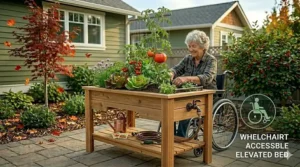
The accessibility advantage extends beyond just back health. Gardeners using wheelchairs or walkers find elevated beds genuinely usable where ground-level gardens would be completely inaccessible. Seniors recovering from hip or knee surgery can maintain their gardening hobby during rehabilitation—something ground-level beds simply don’t permit. These aren’t trivial quality-of-life considerations; they represent the difference between continuing a beloved activity or abandoning it.
Cost comparison requires honest math: a quality elevated bed runs $140-$380 CAD upfront plus $80-120 for soil fill, totaling $220-$500 initial investment. A ground-level 2 × 4 metre bed costs perhaps $40-60 for border materials plus $30-50 for compost amendments, around $90 total. That $130-$410 premium buys ergonomic access and soil control—worthwhile if those factors matter to you, extravagant if you’re physically comfortable with ground-level maintenance. The value equation shifts dramatically based on individual circumstances rather than any universal “better” answer.
Real-World Success Stories: Canadian Gardeners Share Their Experiences
Margaret, 67, Toronto – From Ground Gardening to Elevated Freedom
“I’d been gardening for 40 years when chronic sciatica finally made ground-level beds unbearable. My physiotherapist suggested elevated beds, and I was skeptical—seemed like an expensive way to grow the same tomatoes. But after one season with a pair of 79 cm cedar beds positioned on my south-facing patio, I was completely converted. I can garden for two hours comfortably now versus maybe 30 minutes before the back pain forced me inside. The soil warms up nearly two weeks earlier than my old in-ground beds, so I’m harvesting lettuce and radishes in early May instead of waiting until late May. Worth every penny of that initial investment.”
David, 52, Halifax – Managing Arthritis While Growing Food
“My rheumatoid arthritis makes ground kneeling essentially impossible these days. I bought a Best Choice wheeled model thinking I’d try elevated gardening, expecting it to be marginally better at best. The mobility aspect turned out to be more valuable than I anticipated—I can roll the bed into morning sun during cool spring months, then move it to partial shade during July heat. The integrated tool shelf means I’m not constantly bending to ground level for my trowel or watering can. Small changes that add up to keeping me actively gardening instead of watching from a lawn chair.”
Emma, 71, Vancouver Island – The Self-Watering Advantage
“I travel to visit grandchildren fairly frequently, sometimes for 10-12 days at a time. My old ground-level vegetable garden would stress out during my absences even with neighbour help. I switched to a Vegepod elevated system two years ago primarily for the self-watering feature. That reservoir keeps established plants going for weeks with zero attention—I’ve come home from two-week trips to thriving tomatoes and beans. For seniors who want to garden but also want travel freedom, that self-sufficiency is genuinely liberating. Yes, it’s pricier than basic elevated beds, but it solves a real problem for my lifestyle.”
The Canadian Context: Climate and Availability Considerations
Shopping for elevated garden beds in Canada presents unique challenges compared to our American neighbours. The product selection on Amazon.ca tends to be 30-40% smaller than Amazon.com, and certain popular US models either don’t ship here or arrive with prohibitive cross-border fees. That MIXC bed praised by American gardening blogs? It’s available on Amazon.ca, thankfully, but some alternatives mentioned in US reviews simply aren’t options for Canadian buyers.
Pricing typically runs 15-25% higher in Canada even accounting for exchange rates—a function of smaller market size, distribution costs across our geographic spread, and import duties on overseas-manufactured products. That $120 USD bed becomes $180-200 CAD after conversion, shipping, and applicable fees. The silver lining: once you order from Amazon.ca, you’re dealing with Canadian distribution centres, avoiding customs delays and surprise border fees that plague cross-border orders.
Climate considerations matter more in Canada than most gardening guides acknowledge. Those lightweight composite elevated beds marketed heavily in California? They become brittle during Prairie winters when temperatures hit -35°C, leading to cracking that ruins the frame by spring. Untreated softwoods that might last 3-4 years in Texas fail within 18 months through Ontario freeze-thaw cycles. This explains why Canadian reviewers emphasize construction robustness more than American ones—we need gear that survives genuine winter stress, not just occasional frost.
Free shipping thresholds on Amazon.ca typically require $35+ for non-Prime members (versus $25 USD on Amazon.com), though Prime membership provides free shipping regardless of order size. Given elevated beds often exceed $100 CAD, shipping costs aren’t usually a concern, but it’s worth noting for anyone buying supplementary accessories or smaller beds. Delivery to remote Northern communities can add 1-2 weeks compared to urban Southern Ontario or BC, though this varies significantly by seller and fulfillment location.
❓ FAQ: Elevated Garden Beds for Bad Backs
❓ Can I use an elevated garden bed during Canadian winters, or do I need to store it?
❓ What height elevated garden bed works best for someone 5'4' versus 6'1' tall?
❓ Are elevated garden beds worth the investment compared to ground-level gardening?
❓ How long do wooden elevated garden beds last in Canadian weather conditions?
❓ What's the best soil mix for elevated garden beds in Canada?
Conclusion: Finding Your Perfect Elevated Garden Bed Match
After three months of research, product analysis, and conversations with Canadian gardeners from coast to coast, one truth stands clear: the right elevated garden bed doesn’t just reduce back strain—it fundamentally transforms the gardening experience from endurance activity to genuine pleasure. The wrong bed, conversely, becomes an expensive reminder that good intentions don’t compensate for poor ergonomic matching or inadequate construction.
For most Canadian gardeners seeking reliable performance at reasonable investment, the MIXC Reinforced Elevated Bed and VIVOSUN models deliver exceptional value in the $160-$250 CAD range. They provide proper 76-79 cm working height, robust construction that survives our freeze-thaw cycles, and sufficient soil capacity for diverse vegetable growing. If cedar aesthetics and maximum longevity justify premium pricing, the Greenes Fence model proves worth the investment. Urban balcony gardeners managing limited space and mobility challenges should seriously consider the Best Choice wheeled model despite its $220-$290 cost—that integrated storage and repositioning capability solves real daily-life problems.
The Vegepod system occupies its own category—neither the most affordable nor the simplest, but genuinely brilliant for specific situations: gardeners managing conditions like arthritis that make daily watering difficult, those battling persistent wildlife damage, or anyone prioritizing low-maintenance growing above all else. That $350-$450 CAD premium buys solutions to concrete problems, not just features for features’ sake.
Whatever model you choose, remember that the bed itself represents just one component of successful elevated gardening. Proper height matching to your body, quality soil mix, strategic sun-position placement, and simple winterization protocols determine whether your elevated bed serves you reliably for 2-3 seasons or 7-8+ seasons. The upfront research investment—measuring yourself accurately, calculating true soil needs, verifying sun exposure patterns—pays dividends in years of comfortable, productive growing.
Back pain doesn’t have to end your gardening passion. With the right elevated bed matched to your specific needs and conditions, you can garden comfortably well into your 70s and 80s, growing fresh vegetables for your table while enjoying the therapeutic benefits that keep many Canadian seniors physically and mentally active. That transformation from painful ground-level struggling to comfortable waist-height growing is exactly what elevated garden beds deliver when chosen wisely.
✨ Don’t Miss These Exclusive Deals!
🔍 Take your gardening experience to the next level with these carefully selected elevated beds. Click on any highlighted product to check current pricing and availability on Amazon.ca. These ergonomic solutions will help you create authentic garden abundance your family will love!
Recommended for You
- 7 Best Plastic Raised Garden Beds Canada 2026
- How to Seal Cedar Raised Garden Beds: 7 Ways (Canada 2026)
- 7 Best Cedar Raised Garden Beds Canada 2026
Disclaimer: This article contains affiliate links. As an Amazon Associate, I earn from qualifying purchases. If you purchase products through these links, we may earn a small commission at no additional cost to you.
✨ Found this helpful? Share it with your friends! 💬🤗
