
In This Article
Growing bell peppers in Canada’s shorter growing season used to feel like chasing an impossible dream. I remember my first attempt in zone 4 – watching those California Wonder plants struggle through cool June nights while my neighbour’s tomatoes thrived. But here’s what changed everything: discovering that not all bell pepper varieties are created equal for Canadian climates.
Short season bell pepper seeds have become game-changers for northern gardeners across Canada. These specially bred varieties mature 20-30 days faster than traditional cultivars, making them perfectly suited for regions where frost can arrive unexpectedly in early September. Whether you’re gardening in Winnipeg’s zone 3, Toronto’s zone 6, or anywhere in between, the right seed selection makes the difference between harvesting vibrant, thick-walled peppers and watching green fruits freeze on the vine.
Canadian gardeners face unique challenges: unpredictable spring frosts, shorter daylight hours in northern regions, and the ever-present threat of an early autumn chill. According to Agriculture and Agri-Food Canada, greenhouse pepper production has grown significantly across Ontario, British Columbia, and Quebec, but many home gardeners still struggle with field production. The solution? Choosing varieties specifically developed for cold tolerance and rapid maturation.
In this guide, I’ll walk you through seven exceptional short season bell pepper varieties available on Amazon.ca, compare their performance in Canadian conditions, and share proven strategies for maximising your harvest – even when Mother Nature isn’t cooperating.
Quick Comparison Table
| Seed Variety | Days to Maturity | Cold Tolerance | Price (CAD) | Best For |
|---|---|---|---|---|
| Ace Bell Pepper F1 | 50-55 days | Excellent | $8-12 | Zone 3-4 gardeners |
| California Wonder 300 | 65-70 days | Very Good | $6-10 | Classic thick-walled peppers |
| King of the North | 57-68 days | Excellent | $7-11 | Northern climates |
| Sweet Banana Pepper | 65-75 days | Good | $6-9 | Containers & small spaces |
| Yolo Wonder | 70-75 days | Very Good | $7-10 | Heavy production |
| Golden California Wonder | 65-70 days | Very Good | $7-11 | Vibrant yellow colour |
| New Ace Hybrid | 60-65 days | Excellent | $8-13 | Cool weather setting |
💬 Just one click – help others make better buying decisions too! 😊
Top 7 Short Season Bell Pepper Seeds: Expert Analysis
1. Ace Bell Pepper Seeds F1 Hybrid – The Northern Champion
Specifications:
- Maturity: 50 days green, 70 days red
- Plant height: 60-75 cm
- Fruit size: 7-10 cm, medium 3-4 lobed
The Ace Bell Pepper remains my top recommendation for Canadian gardeners in zones 3-5, and for good reason. This F1 hybrid was specifically developed for cool climate performance, and it shows. Unlike traditional varieties that drop blossoms when temperatures fluctuate, Ace maintains fruit set even during those unpredictable spring weeks when temperatures swing between 10°C and 25°C.
Available on Amazon.ca for approximately $8-12 CAD (50-100 seeds), this variety delivers medium-sized peppers with glossy green skin that ripens to deep red. Canadian customers consistently praise its reliability, with one Alberta gardener noting that Ace was “the first pepper to ripen to red” in their trials. The peppers may not be as blocky as some commercial varieties, but their thin walls actually work to your advantage in shorter seasons – they mature faster and are excellent for fresh eating or sautéing.
Pros:
✅ Exceptional cold tolerance and blossom retention
✅ Earliest maturity among bell pepper varieties
✅ Performs well in zone 3-4 conditions
Cons:
❌ Thinner walls than some premium varieties
❌ Slightly smaller fruit size
2. California Wonder 300 Bell Pepper Seeds – The Reliable Classic
Specifications:
- Maturity: 65 days green, 75 days red
- Fruit: 10 cm blocky, 4-lobed
- Heritage: Introduced 1928
The California Wonder 300 has earned its place in Canadian gardens for nearly a century. This heirloom variety produces substantial, thick-walled peppers perfect for stuffing – a quality highly valued in Canadian cuisine. At $6-10 CAD for 50-100 seeds on Amazon.ca, it represents excellent value for gardeners who want proven performance.
What makes California Wonder particularly suited to Canadian conditions is its surprising adaptability. While it takes slightly longer to mature than Ace, the thick flesh and sweet flavour develop beautifully even in cooler summers. Ontario gardeners report consistent harvests, and the variety performs exceptionally well when started indoors 8 weeks before the last frost. The 4-lobed fruits maintain their classic bell shape, making them ideal for grilling, roasting, or enjoying fresh from the garden.
Pros:
✅ Thick walls ideal for stuffing and grilling
✅ Excellent flavour development
✅ Strong disease resistance (TMV)
Cons:
❌ Longer maturation period
❌ Requires consistent warmth for red ripening
3. King of the North Bell Pepper Seeds – The Zone 3 Specialist
Specifications:
- Maturity: 57 days green, 68 days red
- Open-pollinated heirloom
- Developed specifically for northern climates
The King of the North lives up to its name as the ultimate choice for Canadian gardeners facing the shortest growing seasons. This open-pollinated variety was specifically developed for cool-summer regions, making it ideal for Saskatchewan, Manitoba, and northern Ontario gardens. Priced at $7-11 CAD on Amazon.ca, it offers the added benefit of seed-saving capabilities.
Saskatchewan gardeners have reported that King of the North continues producing right up to frost, even when night temperatures drop to 10°C. The peppers start green and transition to dark red with thick, sweet flesh. One zone 5 gardener described it as “very dependable in our garden and perfect for cool climates.” The plants are compact and sturdy, making them excellent candidates for container growing on patios or balconies where they benefit from reflected heat.
Pros:
✅ Specifically bred for northern climates
✅ Continues production in cool weather
✅ Saveable seeds (open-pollinated)
Cons:
❌ Medium-sized fruits, not jumbo
❌ Limited availability compared to hybrids
4. Sweet Banana Pepper Seeds – The Versatile Producer
Specifications:
- Maturity: 65 days yellow, 75 days red
- Length: 12-15 cm tapered fruits
- Compact plant: 60 cm tall
While not a traditional bell pepper, Sweet Banana Pepper seeds deserve inclusion for their exceptional performance in short-season Canadian gardens. Available for $6-9 CAD on Amazon.ca, these seeds produce prolific plants that thrive in containers – perfect for urban Canadian gardeners with limited space.
The tapered fruits transition from pale yellow through orange to bright red, providing a colourful harvest throughout the season. The sweet, mild flavour works beautifully in salads, for pickling, or enjoyed fresh. Canadian customers from Nova Scotia to British Columbia praise the variety’s productivity, with plants yielding dozens of peppers per season. The compact growth habit makes them ideal for the sunny, sheltered spots that Canadian pepper growers covet.
Pros:
✅ Excellent for container gardening
✅ Very productive plants
✅ Perfect for short-season climates
Cons:
❌ Not a traditional bell shape
❌ Thinner walls than bell varieties
5. Yolo Wonder Bell Pepper Seeds – The Heavy Yielder
Specifications:
- Maturity: 70-75 days
- Heirloom variety
- Large 4-lobed fruits
The Yolo Wonder represents a middle ground between early maturity and substantial fruit size. At $7-10 CAD for approximately 50 seeds on Amazon.ca, this heirloom variety has been a supermarket staple for decades – which speaks to its reliability and commercial-quality production.
What sets Yolo Wonder apart for Canadian growers is its excellent leaf cover, which helps prevent sunscald during those intense July and August days. The plants are vigorous and productive, bearing blocky, thick-walled peppers that transition from deep green to vibrant red. While it requires a bit more patience than Ace, Ontario and Quebec gardeners report excellent results when plants are protected with row covers during early-season cold snaps.
Pros:
✅ Heavy, consistent production
✅ Superior fruit quality
✅ Good leaf cover prevents sunscald
Cons:
❌ Longer maturation time
❌ May not fully ripen to red in zone 3
6.Golden California Wonder Pepper Seeds
– The Sunshine Variety
Specifications:
- Maturity: 65-70 days
- Colour: Green to golden yellow
- Thick-walled fruits
For gardeners seeking variety beyond the traditional red and green, Golden California Wonder delivers vibrant yellow peppers that brighten both gardens and dinner plates. Priced at $7-11 CAD on Amazon.ca, these seeds produce the same reliable thick-walled fruits as their red California Wonder cousin, but with a stunning golden-yellow finish.
The flavour profile is notably sweet – even sweeter than red varieties according to some Canadian growers. The plants perform well in zone 4-6 conditions, though they benefit from black plastic mulch to warm the soil in cooler regions. British Columbia and southern Ontario gardeners report excellent results, with the golden colour developing reliably even in shorter seasons. The high vitamin C content – over 150% of daily requirements per pepper – makes these nutritional powerhouses.
Pros:
✅ Exceptionally sweet flavour
✅ High vitamin C content
✅ Eye-catching golden colour
Cons:
❌ Requires warmth for colour development
❌ Less cold-tolerant than Ace or King of the North
7. New Ace Hybrid Bell Pepper Seeds – The Weather Warrior
Specifications:
- Maturity: 60-65 days
- F1 hybrid improvement on original Ace
- 3-4 lobed fruits
The New Ace Hybrid represents the evolution of the classic Ace variety, with improved vigour and even better cool-weather performance. Available through Canadian seed retailers on Amazon.ca for $8-13 CAD, this variety specifically addresses the challenges Canadian gardeners face with unpredictable spring weather.
According to Veseys, a trusted Canadian seed company, New Ace is an “extra early bell pepper that will set fruit in cool weather.” The dark green fruits are medium-sized with 3-4 lobes, turning red when fully ripened. The plants show vigorous growth and are heavy feeders, responding well to regular fertilisation throughout the Canadian growing season. Manitoba and Saskatchewan gardeners particularly appreciate its ability to set fruit when temperatures drop below 15°C – conditions that would cause blossom drop in most varieties.
Pros:
✅ Improved version of proven Ace variety
✅ Sets fruit in cool conditions
✅ Vigorous, productive plants
Cons:
❌ Higher price point
❌ Requires consistent feeding
✨ Don’t Miss These Exclusive Deals!
🔍 Take your Canadian garden to the next level with these carefully selected short season bell pepper seeds available on Amazon.ca. Click on any highlighted product to check current pricing and availability. These varieties will help you create authentic harvests your family will love, even in challenging northern climates!
Understanding Short Season Bell Pepper Varieties for Canadian Gardens
Canadian gardeners face a unique set of challenges that make variety selection critical. According to Wikipedia, bell peppers (Capsicum annuum) are native to Central and South America, where they evolved in climates dramatically different from Canadian conditions. Understanding how modern breeding has adapted these tropical plants for northern gardens helps explain why short season varieties perform so much better.
The term “short season” typically refers to varieties that mature in 70 days or less from transplanting. This timing is crucial for Canadian growing zones where the frost-free period may be as short as 90-120 days. Traditional bell peppers require 75-90 days just to reach the green stage, leaving little margin for error if spring arrives late or autumn comes early.
Cold tolerance goes beyond simple maturation speed. Varieties like Ace and King of the North have been bred to maintain blossom set when night temperatures drop to 10-12°C – conditions that would cause most peppers to abort flowers. This trait is invaluable during typical Canadian springs, where late May can still bring unexpected cold snaps. The Ontario Ministry of Agriculture notes that peppers respond well to plastic mulch and row covers, which can extend the effective growing season by 2-3 weeks.
Plant architecture matters in Canadian conditions as well. Compact varieties with good leaf cover protect developing fruits from both sunscald during intense summer days and light frost during shoulder seasons. The Alberta government’s greenhouse research demonstrates that proper plant structure significantly impacts fruit quality and yield in northern climates.
How to Choose the Best Short Season Bell Pepper Seeds for Canada
Selecting the right variety requires matching seed characteristics to your specific Canadian growing zone and microclimate. Here’s a systematic approach:
Step 1: Know Your Frost Dates
Use Agriculture Canada’s frost date information to determine your last spring frost and first autumn frost. Your effective growing season is the period between these dates, minus two weeks on each end for hardening off and cool-weather protection.
Step 2: Calculate Your Pepper Days
Bell pepper maturity is calculated from transplanting, not seeding. If you have a 120-day frost-free period, subtract 3 weeks (21 days) for early-season cool weather and 2 weeks (14 days) for potential early autumn cold. This leaves approximately 85 days for actual pepper maturation. Choose varieties rated at 70 days or less to ensure harvest.
Step 3: Assess Cold Tolerance Needs
Gardeners in zones 3-4 should prioritise varieties specifically bred for cold tolerance: Ace, New Ace, and King of the North. Zones 5-6 can successfully grow slightly longer-season varieties like California Wonder and Yolo Wonder with proper soil warming techniques.
Step 4: Consider Fruit Quality vs. Speed
Early varieties often sacrifice some fruit size and wall thickness for speed. If you need guaranteed harvests, choose Ace. If you have a slightly longer season and want premium stuffing peppers, California Wonder delivers superior quality.
Step 5: Plan for Colour Preferences
Red peppers require 2-3 weeks beyond the green stage. In short-season areas, you may harvest most peppers green and ripen them indoors. Yellow and orange varieties like Golden California Wonder typically ripen faster than reds.
Step 6: Factor in Growing Location
Container gardeners should consider compact varieties like Sweet Banana. Those with warm, south-facing garden beds can attempt longer-season varieties. Greenhouse growers can extend seasons on both ends, opening up more variety options.
Step 7: Check Canadian Availability
Always verify that seeds ship to Canada and are available through Amazon.ca or Canadian seed companies. Customs regulations can delay or prevent seed shipments from some international sources.
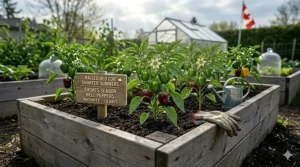
Essential Growing Techniques for Short Season Success in Canada
Soil Warming Strategies
Canadian soil temperatures lag behind air temperatures by 2-4 weeks in spring. Black plastic mulch or landscape fabric can raise soil temperature by 3-5°C, dramatically improving early-season growth. The Canadian Food Focus report confirms that field peppers in Ontario and Quebec rely heavily on these techniques for successful production.
Indoor Seed Starting Timeline
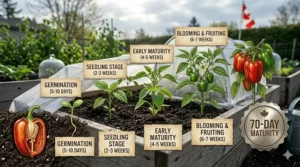
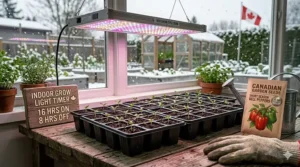
Start seeds 8-10 weeks before your last frost date. Use heat mats to maintain 26-29°C soil temperature during germination, which typically takes 7-14 days for sweet peppers. Once sprouted, provide 16 hours of light daily using LED grow lights positioned 10-15 cm above seedlings.
Hardening Off Protocol
Two weeks before transplanting, begin exposing seedlings to outdoor conditions for increasing periods daily. Start with 1-2 hours in shade, gradually increasing to full sun exposure over 10-14 days. This process is critical in Canadian conditions where the transition from indoor warmth to outdoor variability can shock unprepared plants.
Transplanting Best Practices
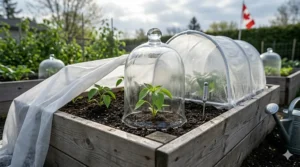
Wait until soil temperature reaches 15°C consistently and night temperatures remain above 10°C. In most Canadian zones, this means late May to early June. Use row covers or Wall O’ Water protectors during the first 2-3 weeks post-transplant to buffer against cold nights.
Maximising Heat Units
Plant in full sun (minimum 8 hours direct sunlight). Create microclimates by placing containers against south-facing walls or fences that radiate stored heat. Consider clear plastic cloches for individual plant protection early in the season.
Comparison: Short Season vs. Standard Bell Pepper Varieties
| Factor | Short Season Varieties | Standard Varieties |
|---|---|---|
| Days to Maturity | 50-70 days | 75-90 days |
| Cold Tolerance | Excellent to Good | Poor to Fair |
| Fruit Size | Medium (7-10 cm) | Large (10-12 cm) |
| Wall Thickness | Medium | Thick |
| Blossom Drop Resistance | High | Low |
| Canadian Zone Suitability | Zones 3-6 | Zones 6-8 |
| Harvest Window | Wide (continuous) | Narrow (late season) |
| Best Use | Fresh eating, sautéing | Stuffing, roasting |
Regional Considerations Across Canadian Growing Zones
Zone 3 (Prairie Provinces)
Focus exclusively on early varieties: Ace, New Ace, King of the North. Expect to harvest most peppers green, with red ripening occurring late August through early September. Black plastic mulch and row covers are essential. Consider starting seeds 10 weeks before last frost to maximise the growing window.
Zone 4 (Southern Manitoba, Saskatchewan, Northern Ontario)
Early varieties remain safest, but California Wonder and Sweet Banana become viable with proper technique. Frost protection through late May and early September extends the effective season. Greenhouse production or cold frame use significantly improves success rates.
Zone 5 (Southern Ontario, Quebec, Maritime Provinces)
The sweet spot for Canadian pepper growing. All varieties listed perform well with standard techniques. Focus on soil warming for early planting and maximising production before autumn rains increase disease pressure.
Zone 6 (Lower Mainland BC, Southern Ontario)
Longer seasons allow experimentation with slightly longer-maturity varieties while still benefiting from short-season types’ early harvests. Successive plantings can extend harvest from July through October.
Common Challenges and Solutions for Canadian Pepper Growers
Challenge: Blossom Drop During Cold Snaps
Solution: Choose varieties with inherent cold tolerance (Ace, New Ace). Provide temporary protection with row covers when temperatures drop below 13°C at night.
Challenge: Slow Growth in Cool Springs
Solution: Use black plastic mulch, plant through landscape fabric, or employ raised beds that warm faster. Consider temporary cloches or Wall O’ Water protectors.
Challenge: Inadequate Ripening to Red
Solution: Accept green harvest for early varieties. Bring nearly-mature green peppers indoors to ripen on a sunny windowsill. Focus planting on south or west-facing locations with maximum heat accumulation.
Challenge: Shorter Daylight Hours in Northern Regions
Solution: Maximise light exposure by avoiding shade, trimming surrounding vegetation, and using reflective mulches. Plant spacing of 45-60 cm allows adequate light penetration.
Challenge: Disease Pressure from Cool, Wet Conditions
Solution: Ensure excellent drainage, avoid overhead watering, and provide adequate spacing for air circulation. Remove lower leaves that touch soil to prevent splash-back contamination.
Nutritional Benefits of Homegrown Bell Peppers
According to Wikipedia, bell peppers are nutritional powerhouses. A single red bell pepper provides approximately 158% of daily vitamin C requirements – more than twice that of a green pepper and even exceeding citrus fruits. The vitamin A content is similarly impressive, with red varieties containing eight times more than green peppers.
Canadian-grown peppers offer superior nutrition compared to imported produce that loses vitamins during transport and storage. Homegrown peppers picked at peak ripeness contain maximum antioxidant content, including beneficial compounds like lutein and zeaxanthin that support eye health – particularly important for Canadian gardeners who spend summer days in bright sunlight.
The absence of capsaicin makes bell peppers suitable for all ages and dietary preferences. Their high water content (92%) and low calorie count (approximately 31 calories per 100g) make them excellent choices for health-conscious Canadian families. The fibre content supports digestive health, while B vitamins aid metabolism – all while adding vibrant colour and flavour to meals.
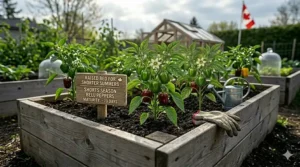
Sustainable Seed Saving Practices
Open-pollinated varieties like California Wonder and King of the North allow Canadian gardeners to save seeds for future seasons, reducing costs and adapting plants to local conditions over time. Here’s the process:
Select the healthiest, earliest-ripening fruit from your most vigorous plant. Allow it to fully ripen on the vine until past the eating stage – the skin should be wrinkled and beginning to soften. Cut open the pepper and scrape seeds onto a coffee filter or paper plate. Allow seeds to dry completely (7-10 days) in a warm, dry location away from direct sunlight. Store dried seeds in paper envelopes in a cool, dark location. Properly stored seeds remain viable for 2-4 years.
Note that F1 hybrids (Ace, New Ace) do not breed true from saved seed. However, the money saved by reusing heirloom varieties can be reinvested in trying new hybrid varieties each season, creating a balanced seed portfolio.
Maximising Yields Through the Canadian Growing Season
Early Season (May-June)
Focus on establishing strong root systems and vegetative growth. Use row covers to maintain warmth and protect from late frosts. Apply balanced fertiliser (5-10-10) at transplanting, then wait 2-3 weeks before side-dressing.
Mid Season (July-August)
Peak production period. Maintain consistent moisture – approximately 2.5 cm of water weekly through drip irrigation or soaker hoses. Avoid overhead watering that promotes foliar diseases. Switch to bloom-boosting fertiliser (5-15-10) to support fruit development.
Late Season (September)
In zones 3-5, be prepared to protect plants from early frosts with row covers or harvest all fruits before the first freeze. In zones 5-6, plants may continue producing into October. Monitor weather forecasts closely and be ready to harvest at a moment’s notice.
✨ Bring Your Garden to Life!
🌱 Ready to grow vibrant, delicious bell peppers perfectly suited to Canada’s unique climate? These carefully selected short season varieties are waiting to transform your garden. Visit Amazon.ca now to check current prices and start your pepper-growing journey with confidence!
FAQ
❓ How early can I plant short season bell pepper seeds in Canada?
❓ What is the difference between Ace and California Wonder bell peppers?
❓ Can I grow bell peppers successfully in zone 3 Canada?
❓ Where can I buy cold tolerant pepper seeds online in Canada?
❓ How do I ripen green bell peppers indoors in Canada?
Conclusion
Growing bell peppers in Canada’s challenging climate no longer requires accepting disappointment and green harvests. The seven short season bell pepper varieties detailed in this guide have been specifically selected for their proven performance across Canadian zones 3-6, with real results from Canadian gardeners who face the same frost dates, cool springs, and unpredictable autumns you do.
Whether you choose the lightning-fast maturity of Ace, the thick-walled reliability of California Wonder, or the cold-hardy determination of King of the North, you’re investing in varieties that have demonstrated success from the Prairies to the Maritimes. The key lies in matching variety characteristics to your specific zone, implementing soil-warming techniques, and starting seeds early enough to maximise your precious frost-free days.
The Canadian gardening season may be short, but with the right seed selection and proven growing techniques, your harvest can be abundant, colourful, and deeply satisfying. Every crisp bite of a homegrown bell pepper – whether enjoyed green in July or ripened to vibrant red in September – represents a victory over climate, timing, and the northern gardener’s persistent determination.
Start browsing Amazon.ca today for these exceptional varieties, mark your calendar for seed-starting dates, and prepare to transform your Canadian garden into a pepper paradise. Your family’s summer salads, autumn stir-fries, and preserved harvests await.
Recommended for You
- 7 Best Paste Tomato Seeds for Canning Canada 2026
- 7 Best Cherry Tomato Seeds for Containers 2026 Canada
- 7 Best Short Season Tomato Seeds Zone 3 Canada 2026
Disclaimer: This article contains affiliate links to Amazon.ca. If you purchase products through these links, we may earn a small commission at no additional cost to you.
✨ Found this helpful? Share it with your friends! 💬🤗
